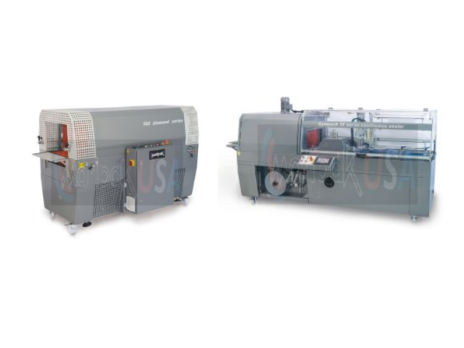
In modern packaging operations, efficiency, reliability, and product protection are crucial for maintaining competitive advantage. A high-performance shrink bundling machine is designed to deliver consistent, secure packaging while accommodating high throughput requirements. These machines are widely used in industries such as food and beverage, pharmaceuticals, and consumer goods. Understanding the key components of a shrink bundler and their design considerations can help businesses select the right equipment and optimize their packaging line.
Robust Frame and Structural Integrity
The frame is the backbone of a shrink bundler. A high-performance machine requires a robust and well-engineered frame capable of withstanding continuous operation at high speeds. Most industrial-grade shrink bundlers use stainless steel or coated steel frames to ensure durability and resistance to corrosion. A solid frame minimizes vibrations, which can lead to misaligned packaging or damage to sensitive products. Additionally, a strong structural design allows for the integration of heavier components, such as heat tunnels and sealing mechanisms, without compromising stability.
Efficient Material Handling System
A critical aspect of a shrink bundler’s performance is the material handling system. This system includes conveyors, infeed guides, and product collation devices, all of which ensure that products move smoothly through the packaging process. Adjustable guides and sensors are essential to accommodate products of different sizes and weights while maintaining alignment. An optimized material handling system reduces the risk of jams or misfeeds, improving overall efficiency and throughput. Properly designed infeed conveyors help maintain consistent spacing between products, which is critical for high-speed packaging operations.
Advanced Electrical and Control Systems
Modern shrink bundlers incorporate sophisticated electrical and control systems to ensure precise operation. Programmable logic controllers (PLCs) and user-friendly touch-screen interfaces allow operators to control key parameters such as sealing temperature, conveyor speed, and shrink tunnel timing. These systems also provide real-time diagnostics and error alerts, reducing downtime and simplifying maintenance. High-performance control systems ensure consistent quality, minimize operator error, and allow for quick adjustments when packaging different products or using various shrink films.
High-Quality Sealing Mechanism
The sealing mechanism is one of the most important components of a shrink bundler. It ensures that the shrink film wraps tightly and securely around the product. Common sealing methods include hot knife or band sealers, each allowing precise control of temperature and pressure. The type of shrink film used also plays a significant role in sealing quality. Polyeolefin shrink equipment is particularly effective due to its high strength, clarity, and consistent shrink properties. Using high-quality sealing technology ensures that products are securely packaged, improves visual appeal, and reduces waste due to defective seals.
Optimal Heat Tunnel Design
The heat tunnel is where the shrink film conforms tightly to the product. Its design is crucial for achieving uniform shrinkage without damaging the product or creating uneven packages. High-performance shrink bundlers feature adjustable heat zones and optimized airflow patterns to ensure consistent heat distribution. Energy-efficient heating elements help reduce operational costs while maintaining consistent results. A well-designed heat tunnel ensures the shrink film hugs the product precisely, providing a professional finish and reliable protection.
Integration of Belt Conveyor Systems
The belt conveyor system is a vital element in high-performance shrink bundling machines. It facilitates smooth product movement through each stage of the packaging process. Adjustable speed settings allow synchronization with other machine components, preventing bottlenecks and maintaining steady throughput. Belt conveyors are also designed to handle a wide range of product sizes and weights, ensuring stability during transport through the sealing and heat shrinking process. Proper integration of belt conveyors improves efficiency, reduces the risk of jams, and enhances overall line productivity.
Conclusion
Designing a high-performance shrink bundling machine requires careful consideration of all its components, from the frame and material handling system to sealing mechanisms and heat tunnels. Utilizing high-quality polyeolefin shrink equipment ensures superior sealing, durability, and consistent results. Additionally, integrating an efficient belt conveyor system enhances product flow, reduces downtime, and ensures smooth operation across the entire packaging line. By focusing on these six key elements, businesses can achieve reliable, efficient, and high-quality packaging performance that meets the demands of modern manufacturing environments.






Most Commented Posts