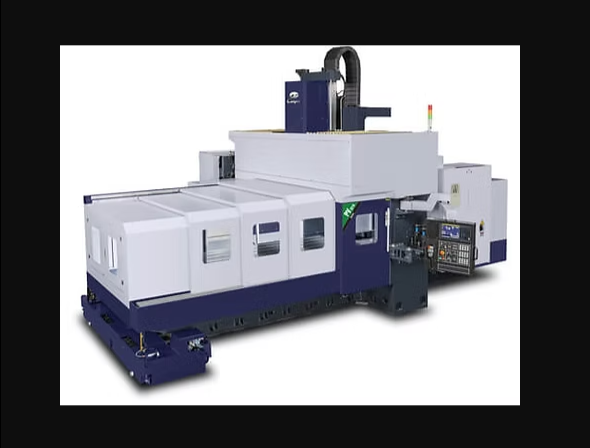
Modern manufacturing depends heavily on the precision, speed, and reliability of the equipment being used. Whether you are producing components for aerospace, automotive, or mold-making, selecting the right CNC machine shop is one of the most critical decisions you will make. From vertical machining centers to turning centers and bridge mills, the range of available machines is broad. Understanding what each machine type offers and how it aligns with your production goals helps you invest wisely and avoid costly errors down the line.
What Makes a CNC Machine Shop Capable?
A capable CNC machine shop is defined not just by the number of machines it runs, but by the quality, variety, and technical specifications of those machines. The core lineup typically includes vertical machining centers, turning centers, and multi-axis systems. Key indicators of capability include spindle speed, axis travel, tool changer capacity, and the type of guideways used. Shops equipped with machines that use high-grade Meehanite cast iron structures and Finite Element Analysis-designed components tend to deliver more consistent results across demanding production runs.
Vertical Machining Centers: Box Way vs Linear Guideway
Vertical machining centers are workhorses in most production environments. They come in two primary configurations. Box way verticals are stress-relieved for maximum rigidity and feature vibration-damping characteristics that make them ideal for heavy-duty, aggressive machining. Linear guideway verticals are built for faster speeds, reduced friction, and higher surface finish quality. Both types use reinforced base structures and are designed using 3D modeling software to ensure long-term dimensional accuracy.
Bridge Mills for Large-Scale Precision Work
When your workpieces exceed the travel limits of a standard vertical machining center, bridge mills become the preferred solution. These machines support travels up to 204″ x 122″, making them well-suited for large mold components and structural parts. A monobloc bridge design provides the structural stability needed to maintain tight tolerances over extended cuts. With spindle options ranging from 25 hp at 6,000 rpm to 34 hp at 10,000 rpm, and a 32-tool automatic tool changer, bridge mills offer the uninterrupted performance that large-scale manufacturing demands. A quality CNC machine shop will have this category covered.
4 Plus 1 Machining: A Flexible Transition to Multi-Axis
Not every shop needs a full 5-axis setup from day one. The 4 Plus 1 configuration offers a practical bridge between 3-axis and 5-axis capabilities with minimal operator retraining required. Double arm-supported A/C axes provide enhanced stability, while heavy-duty roller-type linear guideways ensure precise movement even under significant loads. These machines are built from high-quality Meehanite cast iron and are particularly effective for cost-efficient, high-precision machining of smaller components.
CNC Turning Centers and Their Role in a Complete Shop
Turning centers complement milling machines by handling cylindrical and rotational components. A well-equipped CNC machine shop relies on turning centers with robust one-piece cast iron beds that resist vibration and maintain rigidity during high-speed operations. Inclined bed designs, typically at 30° or 45°, support efficient chip evacuation, reducing downtime and keeping the cutting zone clear.
Quality Standards That Define Reliable CNC Equipment
When evaluating a CNC machine shop or the equipment it operates, quality standards matter significantly. Machines compliant with VDI3441 inspection standards and CE safety regulations offer a measurable benchmark of reliability. Look for shops whose equipment undergoes 100% incoming material inspection, rigorous calibration procedures, and extended test runs before delivery.
Conclusion
Choosing the right equipment and facility can define the success of your manufacturing operation for years to come. For shops ready to take precision and complexity to the next level, investing in a 5-axis vertical machining center opens the door to intricate geometries, tighter tolerances, and fewer setups — all of which translate directly into improved efficiency and part quality.




Most Commented Posts