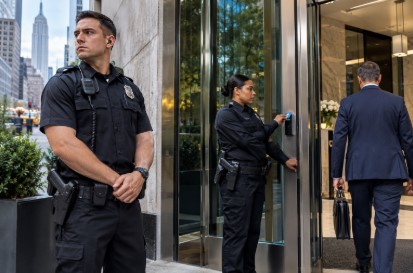
Security planning is an important consideration for individuals, businesses, event organizers, and property managers facing specific safety concerns. Different environments require different protective measures, from access monitoring at commercial properties to close protection for individuals with elevated security risks. Armed security personnel can provide a structured security presence, support threat prevention, and respond to developing incidents within their authorized duties. Understanding their responsibilities, qualifications, operational procedures, and limitations helps organizations determine when armed protection is appropriate and how to integrate it into a broader security strategy.
Understanding the Role of Armed Security Personnel
Armed security personnel help protect people and property through observation, deterrence, access control, incident reporting, and emergency response. Their responsibilities depend on the assignment, location, client requirements, and applicable laws.
At commercial facilities, their duties may include monitoring entrances, verifying visitor credentials, conducting authorized patrols, and identifying suspicious behavior. At private functions, security arrangements can involve guest screening, perimeter monitoring, coordination with venue staff, and managing entry points.
An armed security presence does not eliminate every potential threat. Its effectiveness depends on risk assessment, communication, training, and clearly defined procedures. Security personnel must also understand the limits of their authority and follow applicable laws, site policies, and use-of-force requirements.
Key Responsibilities in Professional Security Operations
1. Threat Assessment and Preventive Planning
Effective protection begins before an assignment starts. Security planning involves identifying vulnerabilities, reviewing the environment, assessing potential threats, and determining the resources required for coverage.
For businesses, this may involve examining entry points, delivery areas, parking facilities, operating hours, and previous incident patterns. For private functions, considerations may include attendance, venue access, crowd movement, emergency exits, and the presence of high-profile guests.
A documented security plan helps establish responsibilities, communication channels, escalation procedures, and contingency arrangements. Reviewing the plan as circumstances change allows teams to address emerging risks without relying entirely on reactive responses.
2. Access Control and Incident Management
Access management helps prevent unauthorized entry and supports orderly movement throughout a protected location. Security professionals may verify identification, maintain visitor records, monitor designated entrances, and communicate access decisions according to established policies.
Incident management also requires accurate observations and timely reporting. When a disturbance or suspicious activity occurs, personnel must follow their training, assess immediate safety concerns, notify appropriate responders, and document relevant details.
Clear reporting procedures help property managers and business owners identify recurring vulnerabilities, improve operational policies, and make informed security decisions.
3. Emergency Preparedness and Communication
Emergency readiness is another essential component of security operations. Personnel should understand evacuation routes, emergency contacts, communication protocols, and their assigned responsibilities during medical emergencies, fires, security threats, or other disruptions.
Reliable communication between security staff, supervisors, venue management, and emergency services can reduce confusion during critical situations. Radio protocols, incident logs, and designated reporting channels help maintain coordination.
Preparedness also involves scenario-based planning and periodic reviews. Procedures should reflect the actual site layout, expected occupancy, accessibility requirements, and foreseeable emergency conditions.
Licensing, Training and Professional Standards
In New York, security guard registration and training are regulated by state requirements. The New York Department of State identifies initial training requirements for security guards, including eight-hour pre-assignment training and 16-hour on-the-job training within 90 days of employment. Armed guards must also complete the required 47-hour firearms training and meet applicable armed registration requirements. Annual training obligations and other rules may apply.
Clients should verify registration, relevant qualifications, insurance coverage, and the security provider’s compliance procedures before entering an agreement. Experience relevant to the assignment, professional conduct, communication skills, and documented training are also important evaluation factors.
Selecting the Right Level of Personal Protection
Not every security requirement calls for an armed assignment. Some situations may be adequately addressed through unarmed guards, access control systems, lighting improvements, visitor management, or other preventive measures.
Close protection planning can include route coordination, venue assessments, movement planning, and emergency communication.
The appropriate service should follow a professional risk assessment rather than assumptions about perceived danger. Clients should clarify assignment boundaries, staffing arrangements, confidentiality expectations, reporting procedures, and emergency responsibilities before protection begins.
Conclusion
Effective security depends on preparation, professional judgment, lawful conduct, and consistent communication. Individuals requiring dedicated protective support may consider a personal bodyguard arrangement based on their exposure, travel schedule, public visibility, and specific concerns. Evaluating potential threats, verifying qualifications, and establishing clear operational procedures can help organizations and individuals choose suitable protection. Whether planning property security, event coverage, or close personal protection, understanding the responsibilities of support staff informs decisions about safety and risk management.







Most Commented Posts