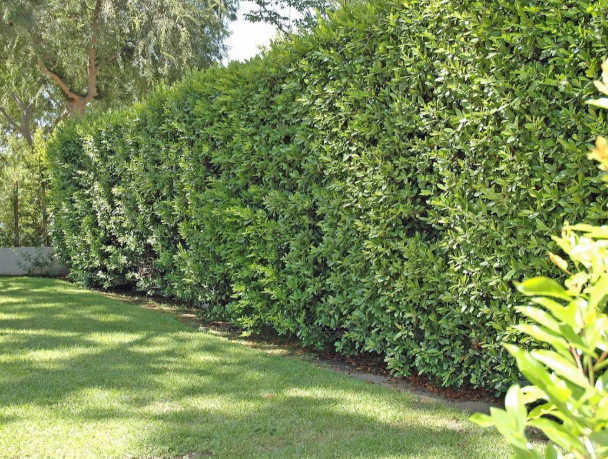
 Gardeners and landscapers often look for resilient plants that can adapt to varying environments while still offering dependable performance. In the middle of this search, the Carolina Cherry stands out as a hardy, attractive evergreen that thrives in many landscapes. Its ability to handle different soil textures, sunlight levels, and climate conditions makes it a top choice for residential and commercial planting projects. Understanding how this tree responds to its environment can help you make informed decisions when designing a long-lasting, low-maintenance landscape.
Versatility in Soil Conditions
Adapting to Clay, Sand, and Loam
One of the greatest strengths of the Carolina Cherry is its adaptability to multiple soil types. While many ornamental trees struggle in dense clay or loose sandy soil, this evergreen handles both reasonably well. Its strong root system adjusts to compacted soils by growing closer to the surface, while in lighter soils, it anchors deeply for stability. Loamy soil remains the ideal choice because it provides the balanced moisture and drainage the tree prefers, but its tolerance allows successful planting in a wide range of conditions.
Performing Well in Varying pH Levels
Soil pH plays a major role in nutrient availability, and many plants fail to thrive when this balance is disrupted. The Carolina Cherry is more forgiving, performing well in neutral, slightly acidic, and even slightly alkaline soils. This flexibility is especially beneficial for gardeners who want reliable greenery without extensive soil modification.
Drainage Requirements
Although adaptable, this tree does best in soil with good drainage. Excessive standing water can stress the roots and slow overall growth. When planted in an area with poor drainage, amending the soil with organic matter or creating a raised planting area can help support healthier development. Proper irrigation practices are equally important, particularly during the first year of establishment.
Sunlight Preferences and Tolerance
Full Sun for Best Growth
For maximum density, color, and overall health, full sun exposure is recommended. Carolina Cherry trees flourish when they receive at least six hours of direct sunlight each day. Full sun promotes strong branching, richer foliage color, and steady annual growth. Landscapers often choose this tree for hedges and privacy screens because full sun helps create thick, lush walls of greenery.
Partial Shade Adaptability
Although full sun offers the best results, this evergreen can still perform well in partial shade. In areas with afternoon shade, it maintains good leaf quality and moderate growth. This makes it suitable for properties with varying light conditions or sections that receive filtered sunlight from taller trees. Growth may be slightly slower, but the tree retains its structure and overall vigor.
Heat and Drought Tolerance
The Carolina Cherry is well known for its durability in hot climates. Its waxy, leathery leaves help reduce moisture loss during dry periods, allowing it to thrive where other trees may struggle. This tolerance does not eliminate the need for proper watering, especially during prolonged droughts, but it does make the tree a practical, dependable choice for low-water landscapes.
How Conditions Influence Landscape Performance
Ideal Conditions for Hedging and Privacy
When planted in optimal soil and sun conditions, this tree grows dense foliage ideal for privacy screens and sound barriers. Landscapers often rely on it because of its adaptability, making it easier to create uniform hedges even when the soil and sunlight vary across a property. In the middle of these ideal conditions, the Carolina Cherry reaches its full potential, providing beauty and utility.
Long-Term Stability in Mixed Environments
In many landscapes, soil texture and light exposure change from one area to another. This evergreen’s ability to adapt ensures long-term stability despite these variations. Whether near a building, along a fence line, or in an open field, the Carolina Cherry maintains its structure, color, and performance when provided with basic care.
Conclusion
Choosing plants that can handle diverse soil textures and sunlight levels makes landscape planning easier and more predictable. The Carolina Cherry excels in these areas, offering both resilience and visual appeal. If you are expanding your garden or designing a new outdoor space, pairing this tree with other hardy species, such as Privet wax leaf, can help you create a balanced and dependable landscape.



Most Commented Posts