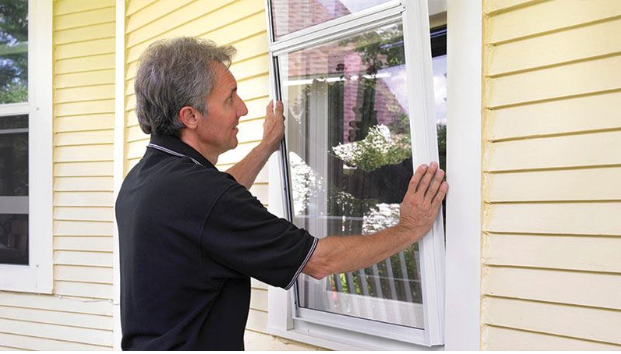
When it comes to energy efficiency and weather protection, storm window replacement is one of the most practical upgrades homeowners can make. Whether your home faces harsh winters or humid coastal climates, storm windows help reduce drafts, improve insulation, and extend the lifespan of your primary windows. This comprehensive guide covers how to measure, remove, and install storm window replacement, ensuring a snug, weather-resistant fit every time.
Understanding the Purpose of Storm Windows
Storm windows act as an additional layer of protection for your existing windows. They create an insulating air pocket between the main window and the outside air, reducing heat loss in winter and keeping interiors cooler in summer. For older homes, where window replacement can be expensive or historically restrictive, installing custom storm windows offers a cost-effective and less invasive solution.
Modern storm windows come in various styles—interior, exterior, and even removable designs. Exterior storm windows are most common and can be easily installed over existing frames. They also provide sound insulation and protection against debris and harsh weather.
Step 1: Measuring for Storm Window Replacement
Accurate measurements are essential for a tight, efficient fit. Follow these steps carefully before ordering your new storm windows exterior.
- Measure the Width:
Use a steel measuring tape to measure the width of your window opening in three places—top, middle, and bottom. Record the smallest measurement to ensure your storm window will fit correctly without gaps. - Measure the Height:
Measure from the sill to the top of the window opening in three places—left, center, and right. Again, use the smallest measurement for accuracy. - Check for Squareness:
Measure diagonally from corner to corner. If the two diagonal measurements differ by more than ¼ inch, the frame is not square. You may need custom storm windows to achieve a proper fit for irregular frames. - Account for the Mounting Style:
Determine whether your storm window will mount inside the frame (flush mount) or on the exterior surface (overlap mount). Overlap mounts are ideal for most storm window replacement projects since they provide a better seal against weather intrusion.
Step 2: Removing the Old Storm Windows
Before you install new units, the old storm windows need to be carefully removed to prevent damage to the main window frames.
- Loosen Screws or Clips:
Use a screwdriver to remove any fasteners or clips securing the old storm window in place. - Lift the Frame Out:
Start from the bottom and gently lift the window out of its track. Be cautious of any sharp edges or corroded metal. - Clean the Surface:
Once removed, clean the window frame thoroughly to eliminate dirt, old caulk, and debris. This ensures your new storm window fits flush against the surface for a strong seal.
Step 3: Installing the New Storm Windows
- Dry Fit the Window:
Place the new storm window into the opening to check for proper alignment. It should fit snugly without forcing. - Apply Caulk:
Run a continuous bead of exterior-grade caulk around the mounting surface. This step helps prevent air and water leaks once the window is secured. - Position the Window:
Set the storm window into place, pressing it firmly against the caulk. Make sure it is level and properly aligned with the primary window. - Secure with Screws:
Use corrosion-resistant screws to attach the storm window frame. Start from the top, then move to the sides and bottom, ensuring even pressure and a tight fit. - Check Operation:
Test the sashes and vents to confirm they open and close smoothly. Make adjustments if necessary to ensure proper airflow and functionality.
Step 4: Final Inspection and Maintenance Tips
After installation, inspect the perimeter to ensure there are no gaps or missed areas in the caulking. Clean the glass and frame using a mild solution of soap and water. Regular maintenance, such as re-caulking and inspecting for damage, will extend the lifespan of your storm windows.
For enhanced energy performance, consider adding weatherstripping or low-emissivity (Low-E) coatings. These improvements can significantly boost insulation and reduce energy costs year-round.
Conclusion
Proper storm window replacement can drastically improve your home’s comfort, energy efficiency, and durability. By accurately measuring, safely removing, and correctly installing your storm windows exterior, you’ll ensure long-term protection against the elements. For homes with unique or historic architecture, custom storm windows provide a tailored solution that blends performance with style. Whether you live in a cold northern state or a humid southern region, investing in quality Florida storm windows ensures your home stays secure, efficient, and well-protected for years to come.






Most Commented Posts