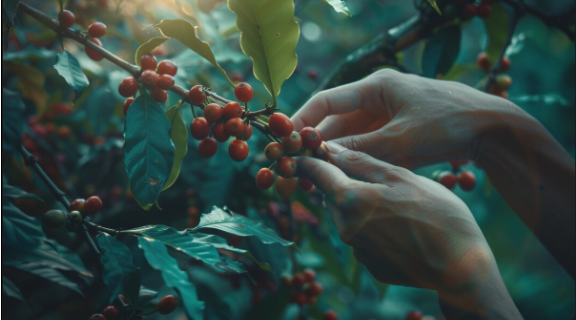
The difference between truly fresh coffee beans and the stale, pre-ground coffee most households use every morning is dramatic. Once coffee drinkers experience properly fresh beans brewed correctly, there is rarely any going back. Learning how to buy coffee beans that will genuinely taste fresh at home, how to store them properly, and how to brew them to bring out their best flavors turns a daily habit into a small daily pleasure worth looking forward to every single morning.
Why Freshness Matters So Much in Coffee
Coffee is a surprisingly delicate product. Its complex flavor compounds begin to degrade the moment beans are roasted, accelerating dramatically once beans are ground. Understanding this timeline shapes every decision about buying and storing coffee.
The Freshness Timeline
- Roasted coffee develops peak flavor 3-14 days after roasting.
- Whole beans remain enjoyable for 2-4 weeks after roasting.
- Flavor decline accelerates noticeably after the first month.
- Ground coffee loses its best flavors within 15-30 minutes.
- Vacuum-sealed pre-ground coffee often sits for months before purchase.
- Most supermarket coffee is already well past peak freshness.
What to Look for When Buying Beans
Roast Date, Not Expiration Date
Quality coffee packaging shows the specific roast date rather than a vague expiration date far in the future. Roast date transparency is one of the clearest signals of a quality coffee seller.
Whole Bean vs. Pre-Ground
Whole beans preserve flavor dramatically longer than pre-ground coffee. Investing in a simple burr grinder and grinding immediately before brewing produces a noticeable improvement that lasts far beyond the initial purchase cost.
Single Origin vs. Blends
Single origin coffees showcase distinct flavor characteristics of specific growing regions. Quality blends combine beans thoughtfully for balanced flavor profiles. Both approaches produce excellent coffee when executed well.
Roast Level
Light roasts preserve more of the bean’s origin character but require precise brewing. Medium roasts offer balanced flavor profiles accessible to most brewing methods. Dark roasts emphasize roast flavors over origin characteristics.
Buying Directly from Roasters
The shortest path from roast to cup typically produces the best flavor. Buying directly from roasters—whether local cafés, small regional roasters, or online specialty roasters—usually delivers beans weeks fresher than supermarket options. Many specialty roasters ship beans within days of roasting, arriving at peak freshness rather than mid-stale. Online options have expanded dramatically in recent years, making quality fresh coffee accessible regardless of location or local coffee scene quality.
Storage That Preserves Flavor
Proper storage extends the useful life of fresh beans meaningfully. A few simple practices preserve quality between brews.
Storage Best Practices
- Keep beans in airtight containers to protect from air exposure.
- Store in a cool, dark location away from heat and light.
- Do not refrigerate or freeze beans intended for daily use.
- Use beans within two to four weeks of the roast date.
- Grind only what will be brewed immediately.
- Avoid transparent storage that exposes beans to light.
- Keep moisture away from beans to prevent staling.
Brewing to Bring Out the Best
Fresh beans deserve brewing methods that showcase their flavor. Use filtered water rather than tap water, which often contains chlorine or minerals that affect flavor. Use fresh water rather than water that has been sitting. Follow established ratios—typically around 1:15 to 1:17 coffee to water by weight. Use water just off the boil, around 95-96°C for most methods. Use an appropriate grind size for the brewing method. These basics matter more than expensive equipment for producing genuinely satisfying cups at home.
Exploring Different Origins
Coffee from different regions tastes genuinely different, and exploring those differences is one of the most rewarding parts of drinking fresh coffee regularly. Ethiopian coffees often have bright, floral, and fruit-forward profiles. Colombian coffees tend toward balanced sweetness with chocolate and nut notes. Kenyan coffees are known for bright acidity and complex berry-like flavors. Central American coffees often showcase clean, bright profiles with chocolate and citrus notes. Trying different origins over time builds a personal sense of preferences and expands enjoyment of the daily cup.
Avoiding Common Mistakes
A few common mistakes significantly hurt coffee quality at home. Buying too much coffee at once and then taking weeks to finish it wastes the peak-freshness window. Grinding days or weeks in advance strips away most of the flavor fresh beans would provide. Using dirty equipment introduces off-flavors that mask even the best beans. Following recipes without tasting and adjusting misses opportunities for improvement. Addressing these habits one at a time produces noticeably better cups without changing anything else about the routine.
Finding the Right Fit
Drinking genuinely fresh coffee transforms a daily habit from functional caffeine delivery into a small daily pleasure worth taking seriously. The combination of quality beans, proper storage, fresh grinding, and careful brewing produces results at home that rival what good cafés serve. For coffee drinkers exploring specialty sources and interested in single origin coffee beans roasted fresh to order and shipped promptly, working with specialist roasters that prioritize roast-date transparency and careful sourcing produces the kind of consistently excellent everyday coffee that makes every morning a little bit better than it was before.



Most Commented Posts