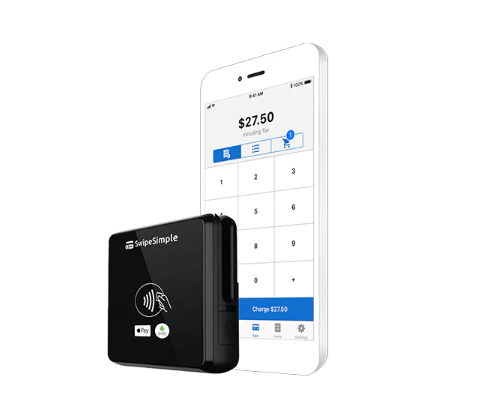
Payment technology has become a cornerstone of modern commerce, but even the most advanced credit cards reader systems can encounter technical or operational challenges. Retailers, restaurants, and service providers rely heavily on smooth transactions, and when problems arise, they can disrupt business operations and compromise customer satisfaction. Understanding the most common issues and how to troubleshoot them is crucial for businesses that rely on digital payments.
Connectivity Challenges
One of the most frequent issues with a credit card reader involves connectivity. Many devices rely on Wi-Fi or Bluetooth to process payments, and interruptions can result in declined transactions or extended processing times. Businesses using wireless systems must ensure that their internet connection is stable and that the device software is up to date. In many cases, resetting the network or re-pairing the device solves the issue. For environments with heavy interference, using a wired card payment machine may provide a more reliable solution.
Power and Battery Problems
Mobile payment solutions are convenient, but they also rely on battery life. A drained or faulty battery can cause a credit card reader to power off unexpectedly, leading to downtime during peak hours. Regular charging routines and keeping spare chargers on hand can help mitigate this risk. In some cases, businesses may opt for dual-powered models that enable both plug-in and portable use, ensuring uninterrupted payment acceptance. Preventive maintenance, such as battery replacement when performance declines, also extends device life.
Software Glitches and Compatibility Issues
As with any technology, software bugs can interfere with the operation of a credit card reader. Common glitches include frozen screens, unresponsive terminals, or error messages during transactions. Most manufacturers release regular updates to fix known issues and improve functionality. Ensuring the device runs on the latest software is a crucial step in preventing compatibility issues with modern payment systems.
Card Reading Errors
Sometimes, the problem is not with the system but with the way cards are read. A credit card reader may fail to detect magnetic stripes, EMV chips, or contactless cards due to dust, wear, or physical damage. Cleaning the reader slot with proper tools and avoiding exposure to dirt and moisture helps maintain smooth functionality. Additionally, educating staff to guide customers on inserting or tapping cards correctly reduces user-related issues. When hardware damage is suspected, repair or replacement may be the only long-term solution.
Transaction Declines and Authorization Delays
Another common frustration for businesses is when transactions are declined without a clear reason. While this can sometimes be due to customer card issues, it can also stem from communication errors between the credit card reader and the payment processor. Ensuring stable connections, checking for processing outages, and verifying correct merchant account setup are important troubleshooting steps. In high-volume businesses, adopting a backup card payment machine can minimize customer inconvenience when the main device encounters problems.
Security and Compliance Concerns
Security is critical in digital transactions, and outdated or improperly configured devices can expose businesses to risks. A credit card reader must comply with PCI DSS (Payment Card Industry Data Security Standard) to ensure customer information is protected. Regular updates, encryption-enabled devices, and secure password management all reduce vulnerabilities.
Preventive Maintenance and Staff Training
Many recurring issues with a credit card reader can be minimized through preventive measures. Routine inspections, cleaning, and timely software updates ensure that devices perform optimally. Just as importantly, staff training on troubleshooting basics empowers employees to resolve issues quickly without disrupting business operations.
Conclusion
While businesses may encounter technical challenges with a credit card reader, most issues can be resolved through proper troubleshooting, regular updates, and preventive care. From connectivity problems to card reading errors, understanding these issues ensures smooth payment operations and better customer satisfaction. For organizations expanding into global markets, including real estate and luxury investments, financial efficiency matters as much as operational reliability. A reliable credit card reader remains central to achieving these goals.





Most Commented Posts