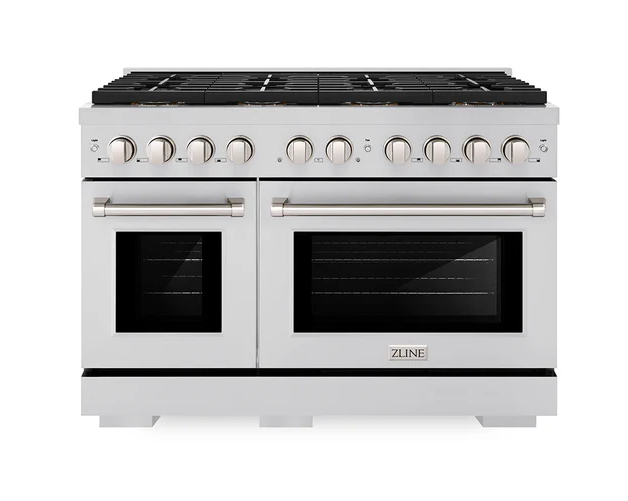
Choosing the right cooking appliance is one of the most important decisions in any kitchen renovation or upgrade project. Homeowners today have access to a wide variety of cooking technologies, including electric, induction, dual-fuel, and gas-powered models. Despite the growing popularity of alternative cooking methods, many professional chefs and home cooks continue to favor gas ranges because of their responsiveness, versatility, and reliable cooking performance.
For households that value precise temperature control, gas ranges offer an advantage that many cooks find difficult to replace. The visible flame allows users to make instant heat adjustments, making it easier to manage everything from delicate sauces to high-heat searing. Industry buying guides consistently highlight immediate heat response as one of the primary reasons gas cooking remains popular among serious cooks.
The Appeal of Instant Heat Control
One of the defining characteristics of gas cooking is the ability to increase or decrease heat immediately. Unlike some electric cooking surfaces that may take time to adjust, gas burners respond almost instantly when the control knob is turned.
This responsiveness makes gas ranges particularly useful for cooking techniques that require precision. Tasks such as sautéing vegetables, simmering soups, reducing sauces, and stir-frying often benefit from rapid temperature adjustments. Multiple appliance experts note that precise flame control is one of the strongest advantages associated with gas-powered cooking appliances.
Versatility for Different Cooking Styles
Another reason many households choose gas ranges is their ability to support a wide variety of cooking methods. Open-flame cooking enables techniques such as charring vegetables, using specialized cookware, and performing high-heat cooking tasks with greater flexibility.
Gas cooktops are also compatible with virtually all cookware materials, including cast iron, stainless steel, aluminum, and copper. This versatility allows homeowners to use their preferred cookware without worrying about compatibility restrictions that may exist with certain alternative cooking technologies.
In discussions among cooking enthusiasts, many users frequently mention the flexibility and hands-on control that gas cooking provides during everyday meal preparation.
Benefits Beyond Cooking Performance
While cooking precision often receives the most attention, there are additional advantages associated with gas-powered appliances. In many regions, natural gas can be less expensive than electricity, potentially reducing long-term operating costs depending on local utility rates.
Some homeowners also appreciate that many gas ranges can remain partially functional during power outages when proper safety procedures are followed. Additionally, the durability of gas burner systems often contributes to their long service life when properly maintained. Appliance buying resources frequently cite operational efficiency and reliability as important factors influencing consumer preferences.
Factors to Consider Before Buying
Although gas cooking offers numerous benefits, homeowners should carefully evaluate their kitchen setup before making a purchase. A dedicated gas connection is typically required, and professional installation may be necessary if a gas line is not already available.
Other important considerations include:
- Kitchen ventilation requirements
- Available installation space
- Burner configurations
- Oven capacity
- Cleaning and maintenance needs
- Energy costs in the local area
- Household cooking habits
Proper planning helps ensure the selected appliance aligns with both practical requirements and long-term expectations. Experts also recommend comparing features such as convection capabilities, burner output, and control layouts before making a final decision.
Modern Features Available Today
Today’s gas ranges offer much more than basic cooking functionality. Many contemporary models include convection ovens, multiple high-output burners, continuous grates, smart controls, and advanced cooking modes designed to improve convenience and cooking consistency.
As manufacturers continue to innovate, homeowners can find options that combine traditional gas cooking performance with modern kitchen technology. This combination appeals to consumers seeking both familiar cooking control and enhanced functionality.
Conclusion
Kitchen appliances play a major role in shaping everyday cooking experiences, and selecting the right range can significantly impact both convenience and performance. From precise flame control to broad cookware compatibility, these ranges of gases continue to offer advantages that appeal to many home cooks and culinary enthusiasts. For anyone evaluating available cooking solutions, exploring gas ranges for sale can provide valuable insight into the features, configurations, and technologies available in today’s market. By carefully considering cooking preferences, kitchen requirements, and long-term needs, homeowners can make a more informed appliance investment.






Most Commented Posts