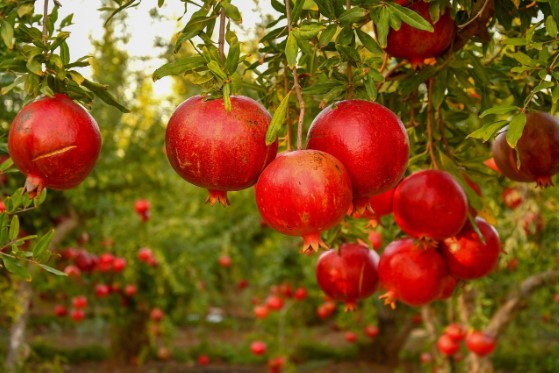
Growing your own fruit trees is one of the most rewarding ways to enjoy fresh, nutritious produce throughout the year. With careful planning and the right selection of trees, you can create a garden that provides a year-round harvest. Whether you are a beginner or an experienced gardener, understanding seasonal planting, tree varieties, and care requirements is key to maximizing yield and maintaining healthy fruit trees. This guide offers practical tips for planting and managing fruit trees for continuous production.
Choosing the Right Fruit Trees
To achieve a year-round harvest, it’s important to select trees that produce fruit in different seasons. Consider the following:
- Spring-Bearing Trees: Cherries, apricots, and early peaches
- Summer-Bearing Trees: Plums, peaches, nectarines, and some apple varieties
- Fall-Bearing Trees: Late apples, pears, and persimmons
- Winter Harvest: Certain citrus trees, pomegranates, and persimmons
Selecting a mix of trees with staggered harvest times ensures you always have fresh fruit from your garden.
Consider Your Climate and Soil
Fruit trees thrive when planted in conditions suited to their needs. Key considerations include:
- Climate Zone: Check the USDA hardiness zone for your area to ensure your chosen trees will survive winter temperatures.
- Sunlight: Most fruit trees need at least 6–8 hours of direct sunlight daily.
- Soil Type: Well-draining soil with balanced nutrients supports healthy growth.
- Space Requirements: Proper spacing prevents overcrowding and promotes airflow, reducing disease risk.
Matching tree varieties to your environment increases success and overall fruit production.
Seasonal Planting Tips
Planting at the right time of year is crucial for fruit tree health and productivity.
Spring Planting
- Ideal for bare-root trees
- Allows trees to establish roots before summer growth
- Ensure protection from late frosts
Summer Planting
- Suitable for container-grown trees
- Water regularly to help establish roots
- Provide shade during extreme heat to prevent stress
Fall Planting
- Best for regions with mild winters
- Allows root development before dormancy
- Mulch around the base to protect against cold
Winter Planting
- Mostly limited to dormant trees in warmer climates
- Planting in winter can reduce transplant shock in mild zones
Pruning and Maintenance
Proper care ensures healthy growth and maximum yield:
- Pruning: Remove dead or diseased branches and shape the tree to allow sunlight penetration
- Fertilizing: Apply nutrient-rich fertilizers during the growing season for stronger growth and fruiting
- Watering: Young trees need consistent watering; established trees require less frequent irrigation
- Pest Control: Monitor for insects and diseases and take preventive measures when necessary
Regular maintenance promotes year-round fruit production and improves tree longevity.
Harvesting Tips
Proper harvesting is essential for enjoying the full flavor, texture, and nutritional benefits of your homegrown fruit. The first step is to harvest fruits at their peak ripeness. Fruits picked too early may lack flavor, sweetness, or juiciness, while overripe fruits can spoil quickly. Learning the visual cues, firmness, and color changes specific to each fruit type ensures you pick at the ideal time.
Different trees have specific harvesting methods, so it’s important to understand the requirements of each variety. For example, apples and pears are best gently twisted from the branch, while stone fruits like peaches, plums, or cherries should be carefully plucked to avoid damaging the delicate skin. Citrus fruits often require clipping stems to prevent tearing or bruising. If you’re starting your own orchard, purchasing a healthy pomegranate tree for sale can be a great way to add a flavorful and nutritious fruit option to your garden.
Conclusion
With thoughtful planning, proper care, and seasonal planting, fruit trees can provide a year-round harvest of delicious, homegrown produce. Selecting a mix of spring, summer, fall, and winter-bearing trees, matched to your climate and soil, ensures you always have fresh fruits on hand. By following pruning, watering, fertilizing, and harvesting tips, you can create a productive and sustainable fruit garden that delights your family and friends throughout every season.

Most Commented Posts