The fashion industry has undergone remarkable transformations over the decades, making designer clothes more accessible and versatile than ever. Once considered exclusive items reserved for celebrities and high-profile clientele, designer garments now influence everyday wardrobes and street style. Understanding this evolution provides insight into how trends, innovation, and consumer preferences have shaped modern fashion, bridging the gap between runway glamour and daily wear.

Early Days of Designer Clothes
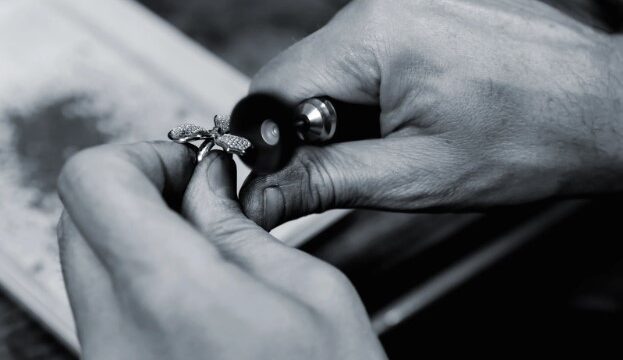
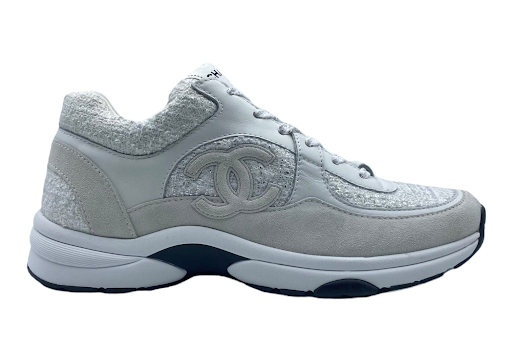
In the early 20th century, designer clothes were primarily handcrafted and customized for the elite. Haute couture houses in Paris, such as Chanel, Dior, and Givenchy, dominated the scene, producing limited quantities for wealthy patrons. These garments were symbols of status and exclusivity, representing craftsmanship, luxury fabrics, and intricate detailing. Accessibility was minimal, and the average consumer could only admire these designs from magazines or public appearances.
Influence of Fashion Shows
The rise of fashion shows in the mid-20th century played a critical role in promoting designer clothes beyond private clientele. Runway presentations allowed designers to showcase seasonal collections, highlight creativity, and set trends that influenced both local boutiques and mass-market clothing lines. The concept of translating high-fashion aesthetics to more practical designs for broader audiences began to take shape during this period.
Democratization of Fashion
The latter half of the 20th century saw the democratization of designer clothes. Ready-to-wear collections made it possible for consumers outside elite circles to access high-quality garments inspired by couture designs. Retailers and department stores partnered with designers to offer pieces that maintained the essence of luxury while being more affordable. This era also marked the emergence of boutique designer dresses, which allowed shoppers to acquire curated, limited-edition pieces from smaller, specialized stores, blending exclusivity with accessibility.
Influence of Media and Celebrity Culture
Media coverage and celebrity endorsements further transformed designer clothes into mainstream fashion. Films, television, and later, social media platforms showcased iconic outfits, influencing consumer preferences. Celebrities wearing designer garments at public events created aspirational looks that everyday consumers sought to emulate. As a result, designers began creating pieces that balanced artistic vision with practicality for everyday use.
Modern Trends and Accessibility
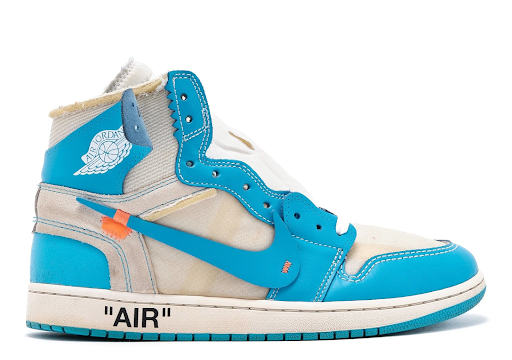
Today, designer clothes are no longer confined to runways or high-end boutiques. The rise of e-commerce, fast fashion adaptations of luxury trends, and collaborations between mainstream brands and high-fashion designers have made designer-inspired clothing widely available. Consumers can now purchase boutique designer dresses online or in specialized stores, allowing for personal expression while embracing quality craftsmanship. Modern designers also focus on sustainability, versatility, and inclusivity, reflecting broader social and environmental concerns.
Blending Style and Function
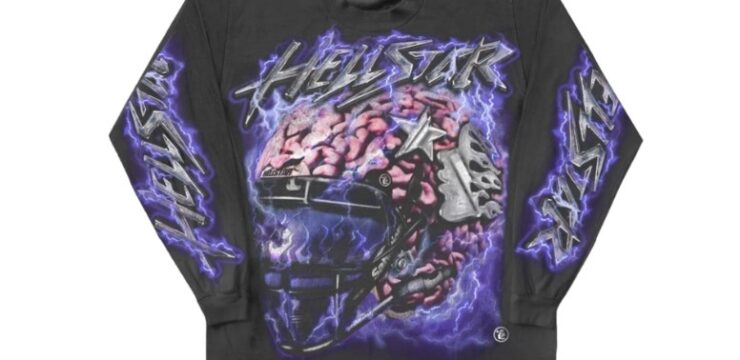
Modern designer clothes seamlessly blend style and function, enabling individuals to incorporate high-fashion pieces into their everyday lives. From office attire to casual streetwear, designers focus on creating adaptable clothing that meets the demands of contemporary lifestyles. This evolution demonstrates the shift from garments being purely symbolic of wealth to becoming essential elements of personal style and self-expression. Additionally, innovations in fabrics and tailoring ensure comfort without compromising on aesthetics. Many designers now also prioritize versatile pieces that can transition effortlessly from day to night, enhancing their practicality for modern wardrobes.
Conclusion
The journey of designer clothes from exclusive haute couture to accessible everyday fashion illustrates the dynamic nature of the industry. Through innovation, media influence, and strategic retail approaches, designer garments now enrich the wardrobes of a diverse range of consumers. Whether through high-end collections or boutique designer dresses, these pieces continue to reflect creativity, quality, and individuality.
For those looking to explore these trends in their locality, visiting a designer boutique near me is the perfect way to experience the luxury and versatility that designer clothes offer.


Most Commented Posts