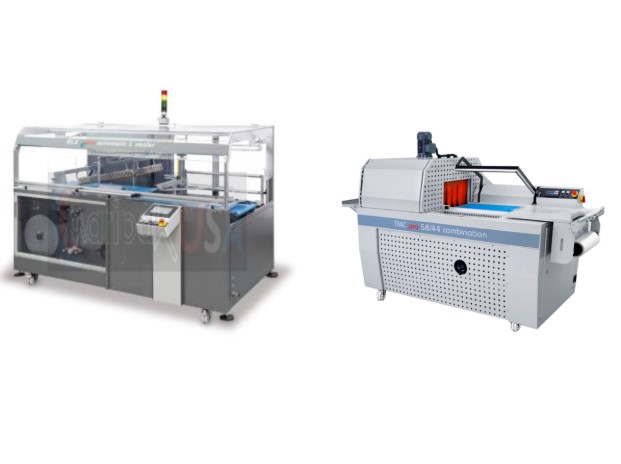
For businesses that handle product packaging on a regular basis, reliability and consistency in shrink-wrapping operations are essential. This is why many facilities choose a semi-automatic L sealer machine to improve output, reduce labor effort, and maintain uniform packaging quality. While these machines all perform the core function of sealing shrink film around products, not all models offer the same efficiency, durability, or ease of use. Understanding the key features that truly matter can help manufacturers, warehouses, and fulfillment centers select a machine that aligns with their production goals and long-term demands.
Build Quality and Material Construction
Durable Frame for Long-Term Use
One of the first things to evaluate in a semi-automatic L sealer machine is its overall build quality. Machines constructed from robust, industrial-grade steel tend to withstand constant operation better than lightweight models. A durable frame minimizes vibration, supports higher sealing accuracy, and reduces maintenance issues over time.
Heat-Resistant Components
Since sealing involves continuous exposure to elevated temperatures, components like sealing wires, Teflon coatings, and sealing arms should be designed for heat resistance. This ensures consistent seal quality, reduces wear, and extends the life of parts critical to daily production.
Precision and Consistency of the Seal
Adjustable Sealing Controls
Production lines often package products of varying shapes and materials. A machine with adjustable sealing temperature, pressure, and dwell time allows operators to fine-tune settings for different film types, especially polyolefin, PVC, or low-micron shrink films. This level of control improves seal integrity and reduces waste caused by overheating or incomplete sealing.
Uniform Seal Quality
The ability to produce clean, crisp, and strong seals is a key advantage of a semi-automatic L sealer machine. High-quality sealing bars and precision-wired frames help maintain uniformity, which is particularly important for retail-ready packaging that must maintain a professional appearance.
User-Friendly Operation and Controls
Intuitive Interface
A user-friendly control panel allows operators to easily adjust parameters, monitor output, and troubleshoot basic issues. Machines that feature clear indicators, digital readouts, or programmable settings significantly improve workflow efficiency.
Smooth Manual Assistance
While these machines automate most of the sealing process, operators still position each item. Smooth arm movement, ergonomic design, and minimal required effort make the machine more comfortable and safer to use across extended shifts.
Compatibility and Flexibility
Ability to Handle Different Product Sizes
One of the strengths of a semi-automatic L sealer machine is its flexibility in handling a wide variety of product shapes and dimensions. A machine with a generously sized sealing frame or customizable sealing area allows users to work with anything from small boxed goods to larger items like books, electronics, or bundled products.
Film Roll Versatility
Machines that accept different film widths and types offer greater adaptability. This is especially useful for operations that run mixed product lines or require fast changeovers between packaging formats.
Efficiency and Production Output
Faster Cycle Times
Higher cycle speed means higher throughput. Look for machines with efficient sealing arms, rapid heat recovery, and smooth film advance mechanisms. Faster cycle rates directly impact productivity, especially in facilities aiming to scale or manage large order volumes.
Integration With Tunnels and Conveyors
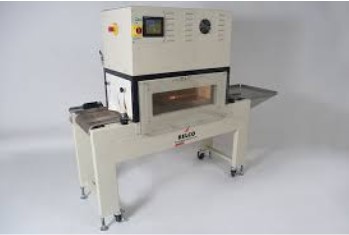
To complete the shrink-wrapping process, many facilities pair the sealing unit with a heat tunnel. Models designed to integrate easily with existing conveyor systems or tunnels streamline the entire packaging flow and reduce manual handling.
Safety Features and Compliance
Automated Safety Mechanisms
Safety is crucial in environments involving heat and moving parts. Features such as emergency stops, secure sealing arm locks, and protective covers help reduce operator risk. Machines that adhere to industry-standard safety certifications offer added assurance.
Consistent Temperature Protection
Thermal overload protection prevents overheating and safeguards the internal electronics of the machine, ensuring stable, reliable performance.
Conclusion
Choosing the right L sealer machine involves evaluating more than just basic sealing capability. Businesses aiming for consistent packaging quality and streamlined operations should invest in a machine that balances efficiency with reliability. As packaging demands grow, integrating the right equipment—especially a dependable sealer machine—ensures that production lines operate smoothly and maintain a professional, high-quality output for every product.

Most Commented Posts