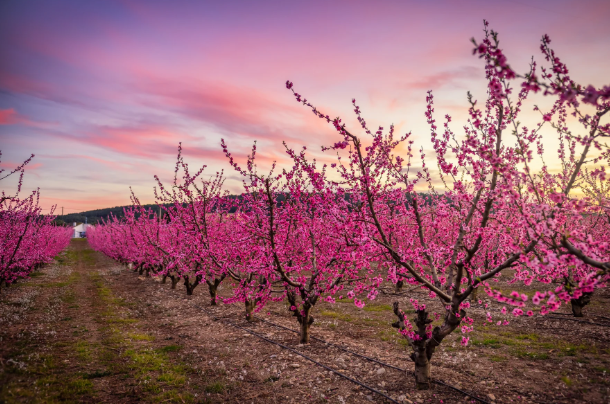
Fruit-bearing trees are increasingly being used not only for food production but also as part of landscape design. Among them, peach trees are widely valued for their dual purpose—offering seasonal fruit production while also enhancing visual appeal with their spring blossoms and structured canopy growth. Botanically classified under Prunus persica, peach trees are deciduous and typically thrive in warm climates with full sun exposure. They are commonly grown in home gardens and orchards due to their relatively fast growth and productive fruiting cycles.
What Makes Peach Trees Unique?
Peach trees are distinct because they combine ornamental beauty with agricultural value. In early spring, they produce pink blossoms that contribute to landscape aesthetics even before fruit formation begins. These blossoms are often one of the earliest signs of seasonal change in temperate regions. From a horticultural perspective, peach trees are also self-fertile, meaning a single tree can produce fruit without requiring another pollinator tree. This makes them practical for residential planting and small-scale gardening.
Growth Characteristics and Environmental Needs
To grow successfully, peach trees require specific environmental conditions:
- Full sunlight exposure for optimal fruit development
- Well-drained soil, preferably sandy or loamy
- Moderate watering schedules, avoiding waterlogging
- Seasonal pruning to encourage healthy branch structure
These trees generally perform best in USDA zones with moderate winters and warm summers. Proper spacing is also important, as mature peach trees can reach significant canopy widths.
Structural Development and Seasonal Cycle
Peach trees follow a predictable seasonal cycle:
Spring
- Flowering phase begins
- Pollination occurs
- Initial fruit formation starts
Summer
- Fruit matures and ripens
- The tree requires consistent watering
- Thinning may be necessary for larger fruit quality
Autumn
- Leaf drop begins
- Energy stored in roots for dormancy
Winter
- Dormant phase
- Pruning is typically performed
Proper seasonal care ensures long-term productivity and tree health.
Role of Peach Trees in Landscaping
Beyond fruit production, peach trees are widely used in landscape design due to their structured growth pattern and seasonal color variation. Their spring blossoms add aesthetic value, while their canopy provides light shade during warmer months. Landscape designers often incorporate fruit trees into residential layouts to combine functionality with visual appeal. Peach trees, in particular, are suitable for backyard gardens, small orchards, and mixed-use green spaces.
Maintenance Requirements for Healthy Growth
Maintaining peach trees involves regular care practices:
- Annual pruning to improve airflow and sunlight penetration
- Pest management to prevent aphids, borers, and fungal infections
- Fertilization in early spring for nutrient support
- Fruit thinning to improve size and reduce branch stress
Without proper maintenance, trees may experience reduced yield or structural imbalance over time.
Economic and Environmental Value
Peach trees provide both economic and environmental benefits. On the economic side, they offer seasonal fruit production that can reduce grocery dependency for households. Environmentally, they contribute to biodiversity by supporting pollinators such as bees during flowering periods. Additionally, fruit trees help improve air quality, reduce soil erosion, and contribute to microclimate regulation in residential areas.
Integration with Landscape Design Systems
In modern landscaping, peach trees are often integrated into mixed planting systems. They are commonly paired with shrubs, ornamental plants, and structural greenery to create layered landscapes. This is where hedge plants become particularly relevant. These plants are frequently used alongside fruit trees to define boundaries, enhance privacy, and provide wind protection. When combined with peach trees, they help create structured and visually balanced outdoor environments.
Benefits of Using Peach Trees in Home Gardens
Some of the key advantages include:
- Dual-purpose use (fruit + aesthetics)
- Seasonal visual transformation
- Moderate maintenance requirements
- Suitable for small and medium garden spaces
- Contribution to biodiversity and pollination cycles
These benefits make peach trees a popular choice for both beginner and experienced gardeners.
Conclusion
Peach trees are more than just fruit-producing plants; they are an important part of functional landscape design that combines productivity with natural beauty. Their seasonal flowering, edible fruit, and manageable growth structure make them highly versatile in residential and garden settings. When integrated thoughtfully with supporting landscape elements such as hedge plants, peach trees can enhance both the visual structure and ecological balance of outdoor spaces, creating a more sustainable and aesthetically pleasing environment.




Most Commented Posts