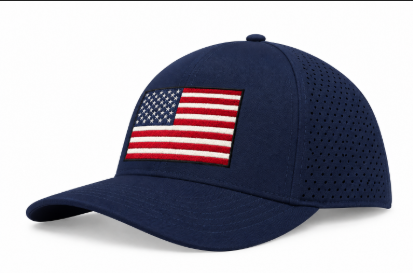
Headwear has always done more than keep the sun off, and its role in American life reflects that.
The story of the hat in United States runs from straw hats on early ballfields to mesh-backed caps handed out at farm supply counters. Each style grew out of a practical need, then picked up cultural meaning along the way. This guide explains the major types, the materials behind them, and what to check when choosing one.
How American Hat Styles Developed
The Baseball Cap
When the New York Knickerbockers became America’s first uniformed baseball club in 1851, players wore straw hats. Visored caps appeared after the Civil War and drew inspiration from military headwear. In 1876, a Chicago manager gave each player a different colored cap so fans could tell them apart on the field. After 1900, the rounded Boston style won out over the flat Chicago style, producing the shape known today.
Wool stayed the standard fabric for Major League caps until a 2007 rule moved the league to polyester, citing player comfort. That shift shows how performance fabrics eventually reached even the traditional hat in United States sports.
The Trucker Hat
Trucker hats took shape in the 1960s and 1970s. Screen printing had become cheap, and feed stores, farm suppliers, and fuel companies gave away logo caps to customers. To keep costs low, makers used a foam front panel and a mesh back, which absorbed sweat and kept wearers cool in hot weather. Workers adopted them for practicality, and by the early 2000s they had become a fashion trend.
The Cowboy Hat
Wide-brimmed hats developed in the American West during the late 1800s. Ranchers and cattle drivers needed protection from sun, rain, wind, and dust, and a hatmaker’s high-crowned design introduced in 1865 spread quickly among them. Wearers then shaped crowns and brims to suit personal and regional tastes. Common crown shapes include the cattleman, the pinch front, and the open crown.
Key Features to Compare
Choosing a hat in United States is easier when you know which details matter:
- Fit: snapback closures adjust across a range of sizes, while fitted caps use exact measurements.
- Brim: a curved bill suits everyday wear, and a flat bill gives a modern streetwear look.
- Crown: structured crowns hold their shape, while unstructured ones feel softer and lower profile.
- Back panel: mesh improves airflow in warm weather.
- Fabric: cotton feels natural, wool blends add warmth, and polyester wicks moisture.
A hat in United States also faces varied weather, from desert heat to northern winters, so material and brim size should match the climate.
Choosing by Purpose
Choosing a hat in United States for outdoor use depends on activity. Runners and travellers often prefer lightweight, quick-drying caps. Gardeners and anglers gain from wider brims that shade the neck and ears. Anyone working outdoors for long periods should look for sun protection and breathability.
Flag-themed and state-themed designs are another popular category. They express regional pride, support local teams, or commemorate trips. Embroidery quality, stitched eyelets, and a sturdy sweatband all signal careful construction, so inspect these details when possible.
Care and Longevity
A well-kept hat in United States can last for years. Hand washing in cool water with mild soap protects shape and colour, while air drying avoids shrinkage. Using a cap form or a rolled towel can keep the crown from collapsing. Stiff-brimmed caps should not be bent or folded permanently, because creases weaken the bill.
A Hat in Everyday American Culture
Few accessories connect as many groups as a cap. Sports fans wear team colors, workers carry company logos, and travellers pick up regional souvenirs. Because of this range, choosing a hat in United States often comes down to identity as much as function. People may select a design for local pride, a favourite pastime, or simply comfort during long days outdoors.
Conclusion
American headwear grew from practical needs: shade for ballplayers, ventilation for rural workers, and protection for ranchers. Today a buyer can compare fit, brim, crown, and fabric to find a style that suits the climate and the occasion. Regional designs such as a California cap with a bear emblem show how local symbols turn simple caps into personal statements. Good care keeps any of them looking sharp for years.



Most Commented Posts