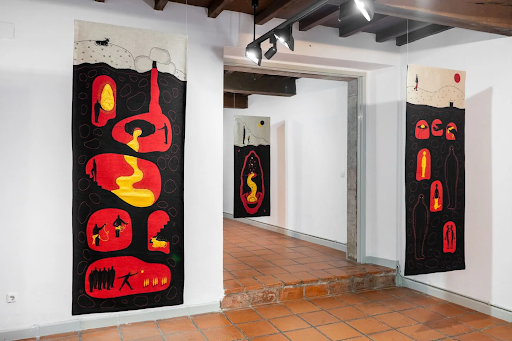
Textile art has seen a genuine resurgence in recent years, with more people looking for creative outlets that produce something tangible and lasting. Learning to make your own tapestry offers a rewarding entry point into this craft, combining design choices with hands-on weaving technique to create a finished piece unlike anything mass-produced. Understanding the basic process from start to finish helps beginners approach the craft with realistic expectations rather than becoming discouraged early on.
Choosing the Right Loom for Your Skill Level
Loom selection significantly affects how approachable the entire process feels for a first-time weaver. Simple frame looms work well for smaller, beginner-friendly projects, while larger floor looms offer more complexity suited to experienced weavers tackling bigger pieces. Starting with a smaller, manageable loom allows newcomers to build foundational technique without becoming overwhelmed by the scale and setup demands that larger equipment typically requires early in the learning process.
Understanding Warp and Weft Basics
Every tapestry begins with warp threads stretched vertically across the loom, providing the structural foundation that weft threads weave through horizontally to build the actual design. Getting warp tension consistent from the start matters significantly, since uneven tension creates warping or puckering in the finished piece. If you are attempting to make your own tapestry for the first time should spend extra care on this setup stage, since mistakes here are far harder to correct once weaving is already underway.
Selecting Yarns and Color Palettes That Work Together
Material choice affects both the tactile quality and visual depth of a finished piece, with wool offering rich texture while cotton provides a smoother, more uniform appearance. Building a cohesive color palette before starting helps avoid a disjointed final result, particularly for beginners still developing an eye for how colors interact once woven together. Sketching a rough design on paper beforehand, rather than improvising entirely at the loom, tends to produce more satisfying results for first attempts.
Basic Weaving Techniques Every Beginner Should Know
Plain weave forms the foundation most beginners start with, involving a simple over-under pattern that builds structural integrity while beginners get comfortable with rhythm and tension. Once this basic technique feels natural, weavers can explore soumak or rya knots to add texture and dimensional detail to their work.To make your own tapestry, practicing these foundational techniques on a small sample piece before starting a larger project helps build muscle memory without risking mistakes on a piece meant for display.
Common Mistakes Beginners Should Watch For
Inconsistent tension throughout a piece is one of the most frequent issues beginners encounter, often resulting from rushing through sections or losing focus on maintaining even thread pressure. Selvage edges, the outer edges of the piece, also require careful attention, since loose or uneven edges become immediately noticeable in a finished, hung piece. Slowing down during these technical moments, rather than prioritizing speed, tends to produce noticeably cleaner results for anyone still developing their weaving skills.
Finishing Techniques for a Polished Final Piece
Once weaving is complete, securing the final rows and trimming loose threads properly prevents unraveling over time. Many weavers also add a hanging rod sleeve directly into the design, allowing the finished piece to be displayed without additional hardware or visible mounting mechanisms. Taking time on these finishing details makes a meaningful difference in how professional and intentional the final result appears once hung on a wall.
Conclusion
Successfully completing a woven piece comes down to patience, consistent tension, and building foundational technique before attempting more ambitious designs. Taking time to practice basics before diving into complex patterns helps beginners avoid the frustration of unraveling early attempts. For those looking for design inspiration once foundational skills feel solid, studying a classic William Morris tapestry offers valuable insight into pattern composition and color layering that can inform and elevate future weaving projects.







Most Commented Posts