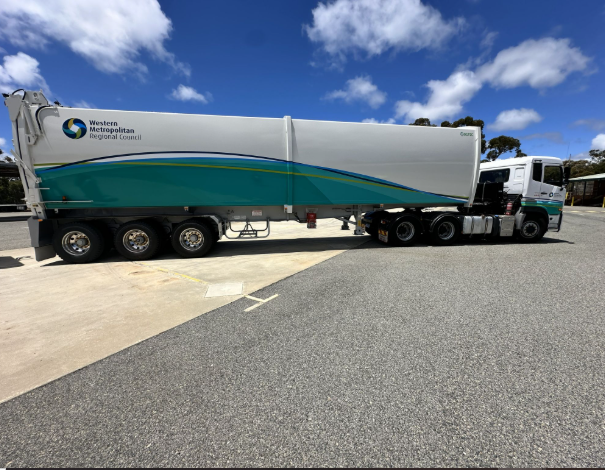
Heavy-duty hauling operations demand equipment that balances efficiency, safety, and reliability under challenging conditions. Industries such as construction, mining, and waste transport rely on advanced trailer systems to handle large volumes of materials without compromising performance. In this context, ejection blade trailers have emerged as a modern alternative to traditional tipping methods, offering controlled unloading and enhanced operational stability. These trailers are designed to address common industry challenges, including uneven terrain and safety risks. Understanding their functionality and value is essential for businesses evaluating long-term investments in high-performance transport solutions today.
How Ejection Blade Trailers Work
In heavy-duty environments, efficient unloading mechanisms are critical for maintaining productivity and reducing downtime. Unlike traditional tipper trailers, ejection blade trailers use a hydraulic system to push the load horizontally, eliminating the need to lift the trailer body. This design allows for controlled material discharge, even in low-clearance areas or unstable ground conditions. The internal blade moves forward to eject the load evenly, reducing the risk of material spillage or uneven distribution. This mechanism also allows operators to unload materials while the trailer remains level, which is especially useful in confined job sites. As a result, operations become smoother, safer, and more predictable across varying terrains.
Key Benefits for Heavy-Duty Applications
For industries dealing with high-volume and heavy materials, operational efficiency directly impacts profitability. One major advantage of ejection blade trailers is their ability to unload materials without raising the centre of gravity, thereby significantly reducing the risk of rollovers. This is especially beneficial on uneven or soft terrain where traditional tipping trailers may become unstable. Additionally, these trailers provide faster unloading cycles, improving turnaround times and overall productivity. Their enclosed design helps minimise dust, spillage, and material loss, which is critical in regulated environments. Over time, these benefits contribute to improved workflow consistency and reduced operational disruptions.
Safety and Stability Advantages
Worksite safety remains a top priority in heavy-duty industries, where equipment failures can lead to serious consequences. The design of ejection blade trailers eliminates the need for vertical lifting, which is often a major cause of accidents with conventional trailers. By maintaining a low and stable profile during unloading, these trailers reduce the likelihood of tipping incidents. They are particularly useful in confined spaces such as tunnels, warehouses, or urban job sites where overhead clearance is limited. Operators also benefit from improved visibility and control during unloading, further enhancing safety standards. These features make them a dependable option for organisations focused on minimising workplace risks.
Cost Considerations and Long-Term Value
Investing in heavy-duty equipment requires careful evaluation of both upfront costs and long-term returns. While ejection blade trailers may require a higher initial investment than standard tipping trailers, their operational advantages often lead to cost savings over time. Reduced maintenance needs, lower risk of accidents, and improved efficiency contribute to a strong return on investment. Businesses also benefit from increased equipment lifespan due to less mechanical strain during unloading. In addition, fewer delays and reduced downtime translate into higher productivity levels. When assessed strategically, these trailers offer a cost-effective solution for organisations aiming to optimise long-term performance.
Conclusion
Choosing the right trailer system plays a crucial role in optimising heavy-duty operations and ensuring consistent performance across demanding work environments. Businesses evaluating modern transport systems should consider how integrated equipment strategies, including waste management equipment, contribute to streamlined workflows, improved safety, and long-term cost efficiency across diverse industrial applications. Advanced hauling solutions that focus on stability, efficiency, and durability can significantly enhance operational outcomes.



Most Commented Posts