
Before investing in any credit card scanner machine, it’s vital to define your business model and how you expect to process payments. Do you operate a stationary storefront, move across locations, or have a mix of in‑store and mobile sales? The transaction volume, customer flow, and physical layout will influence the type of credit card scanner machine or credit card processing machines you choose. Small retailers may only need a tablet or mobile reader, whereas larger operations may demand full‑size terminals.
Key Features: Payment Methods & Connectivity
A good credit card scanner machine must support the payment methods your customers use. Modern devices accept magnetic‑stripe swipes, chip (EMV) inserts, and contactless tap/NFC payments. Additionally, check how the machine connects: does it require a wired Ethernet connection, WiFi, Bluetooth, or cellular data? For businesses that move (food trucks, pop‑up stands), mobile connectivity is essential.
Hardware Type: Traditional, Mobile or Smart Terminal
The marketplace categorises payment hardware into several types:
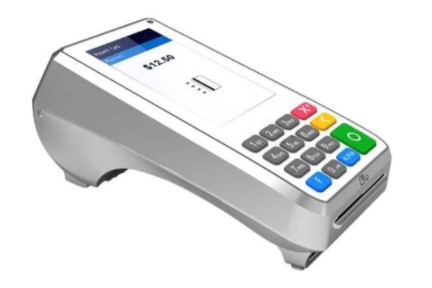
- Traditional countertop terminals: fixed location, reliable for high‑traffic stores.
- Mobile or wireless credit card machines: handheld, portable, ideal for on‑the-go or table‑service businesses.
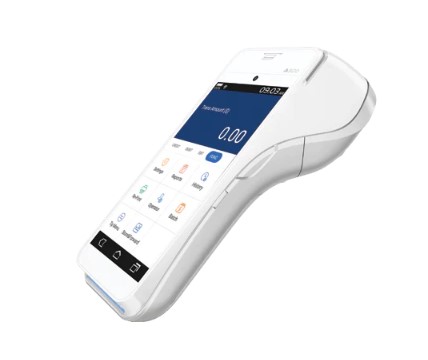
- Smart terminals: handheld or countertop devices with touchscreen, app‑capabilities, inventory and analytics features.
Choosing the right form factor ensures the hardware aligns with your workflow and customer journey.
Integration & Software Compatibility
A credit card scanner machine is only part of the payment ecosystem. It must integrate with your existing POS (point‑of‑sale) system, inventory management, reporting tools, and accounting back‑end. The right hardware supports business operations beyond just transaction processing. Ensure the machine you select is compatible with your software platform and that the vendor provides reliable updates, drivers, and service support.
Security and Compliance
Payment security is non‑negotiable. Ensure your credit card processing machines meet industry standards like end‑to‑end encryption, PCI compliance, tamper‑resistant hardware, and secure firmware updates. Skipping security considerations may expose your business to fraud, data breaches, or regulatory penalties.
Cost Structure and Total Cost of Ownership
The cost of a credit card scanner machine goes beyond the upfront hardware price. You’ll need to consider: the cost of the machine, installation or setup fees, monthly rental or subscription fees, per‑transaction processing fees, and any updates or repairs over time. Many devices bundle equipment cost with service and merchant fees. A full cost‑analysis helps you compare proposals and determine ROI.
Scalability and Vendor Support
Selecting a machine that satisfies your current needs is important, but you should also consider future growth. Will you open additional outlets? Do you anticipate higher transaction volumes? Your chosen hardware should be scalable. Vendor reliability and support are also key: quick service, firmware updates, and a good track record matter.
User Experience and Checkout Speed
The easier and faster the checkout, the better customer experience and operational throughput. Your credit card scanner machine should minimize friction: quick read of chip/card/tap, intuitive interface, and minimal hardware failures. A laggy or unreliable device can lead to customer frustration and lost sales. The right machine can improve customer experience and operational efficiency.
Physical Environment and Durability
Consider the physical environment of your business: a restaurant kitchen, a mobile food truck, a retail boutique, or outdoor stalls each present different demands. The hardware must be durable, spill‑resistant, heat/humidity‑tolerant if needed, and reliably connect where your business is located. Durability in a busy environment is a key factor in choosing a POS credit card reader.
Summary Checklist
To recap, when evaluating credit card scanner machine and credit card processing machines for your business, check these key criteria:
- Payment methods supported (swipe/chip/tap/NFC)
- Connectivity (wired, WiFi, Bluetooth, cellular)
- Hardware type (traditional, mobile, smart terminal)
- Integration with POS/inventory/software
- Security and compliance (encryption, PCI, firmware)
- Cost structure (hardware, rental, transaction fees, maintenance)
- Scalability and vendor support
- User experience (speed, reliability)
- Physical fit (durability, environment suitability)
Conclusion
Choosing the right hardware for your payment processing is a strategic investment. When all those factors align, you’ll be well positioned with one of the best card readers for business. By carefully considering your business model, transaction flow, integration needs, security requirements, and long‑term scalability, you can select a credit card scanner machine that not only accepts payments but enhances your operations and customer satisfaction.



Most Commented Posts