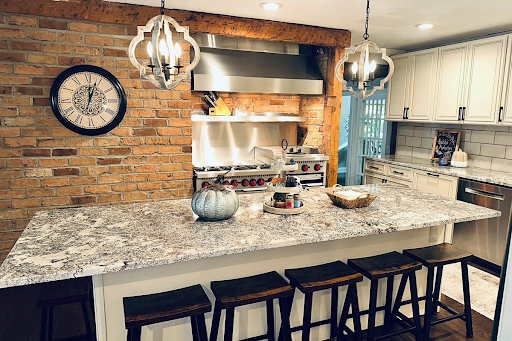
 Under-cabinet range hoods offer a practical ventilation solution for kitchens where a wall-mounted or island unit doesn’t suit the layout, sliding neatly beneath existing cabinetry rather than becoming a separate visual feature. Their compact design makes them a frequent choice in both renovations and new builds, but proper installation depends on more than measuring the cabinet opening. Anyone shopping for an under-cabinet range hood 42 inches wide should confirm several details before buying, since clearance height, duct access, and cooktop width all influence how effectively the unit performs once mounted.
How Much Clearance Do You Actually Need
Manufacturers typically specify a minimum distance between the cooktop surface and the bottom of the hood, generally falling between 24 and 30 inches. Mounting too low compromises safety and comfortable stovetop access, while mounting too high reduces the hood’s ability to draw in rising smoke before it disperses into the room. Measuring this clearance precisely before purchasing prevents the common mistake of buying a hood that fits the cabinet width but sits at an ineffective height.
Matching Hood Width To Cooktop Size
An under-cabinet range hood 42 inches wide generally performs best when it matches or slightly exceeds the width of the cooktop below it. A hood that’s too narrow leaves gaps along the edges, letting smoke escape before it reaches the filters, especially when cooking on back burners. Checking the actual cabinet opening, rather than relying solely on the advertised cooktop dimensions, helps confirm a clean fit without needing cabinet modifications.
Planning For Duct Access
Ducted models typically route exhaust either straight up through the cabinet and roof or horizontally through an exterior wall, and cabinet construction often determines which option is realistic. Retrofitting ductwork into existing cabinetry can require cutting into shelving or cabinet backs, adding complexity to installation. Ductless recirculating models sidestep this issue but offer less thorough extraction, so weighing kitchen layout against desired performance is worth doing before settling on a model.
Fan Noise At Close Range
Because under-cabinet units sit closer to eye and head level than wall-mounted styles, fan noise tends to be more noticeable during everyday use. Reviewing sone ratings across each fan speed setting gives a more realistic sense of noise levels than relying on a single advertised figure, since output at maximum speed can be considerably louder than at low settings. Multi-speed controls help match airflow to cooking intensity without needing full power for routine tasks.
Finish Choices And Everyday Wear
Stainless steel remains the standard finish for an under-cabinet range hood 42 model, valued for its resistance to heat discoloration compared to painted alternatives. Because these units are positioned at eye level for most users, small scratches and fingerprints tend to show more readily than on hoods mounted higher up. A brushed finish rather than a mirror polish tends to hide minor surface marks more effectively over years of daily use.
Conclusion
Getting under-cabinet ventilation right comes down to matching clearance, width, and duct routing to the kitchen’s specific layout, with finish and noise level shaping day-to-day comfort. Keeping the space beneath the cabinet properly ventilated and knowing how to remove scratches from your range hood ahead of time helps the unit stay effective and look clean for years. Taking these factors into account upfront leads to a setup that performs reliably without unnecessary upkeep down the line.







Most Commented Posts