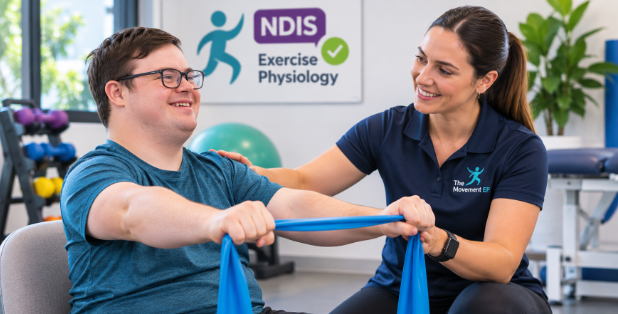
Staying active is one of the most effective ways to build strength, independence and confidence, yet for people living with disability, finding a safe and tailored way to exercise can be difficult. Standard gym programs rarely account for fatigue, pain, balance difficulties or complex health conditions. This is where allied health support becomes valuable, and understanding exercise physiology for NDIS services can open the door to structured, goal-focused movement. Exercise physiologists are university-qualified professionals who use physical activity as a clinical tool to manage chronic conditions, injuries and functional limitations. For participants of the National Disability Insurance Scheme, this type of support can sit alongside other therapies and help turn broad plan goals into everyday abilities. This guide explains what the service involves, how funding generally works, and how to get the most from every session.
What Does an Exercise Physiologist Actually Do?
An accredited exercise physiologist begins with an assessment covering medical history, current abilities, pain levels, mobility and personal goals. From there, a program is built around the individual rather than a generic template. Sessions might include resistance training, balance and coordination work, aerobic conditioning, flexibility routines or water-based exercise, depending on the person’s needs. People living with conditions such as cerebral palsy, multiple sclerosis, spinal cord injury, autism, acquired brain injury or psychosocial disability may all benefit, although the approach differs for each. Research shows that regular, supervised exercise can improve strength, endurance, mobility and mood, and may help reduce the risk of falls. When people explore exercise physiology for NDIS options, they often find the focus is on function, such as climbing stairs, transferring from a chair, walking further or managing fatigue through the day. Progress is measured against agreed goals and reviewed regularly, so the program adapts as abilities change. Sessions may take place in a clinic, a gym, at home or in a community setting, which makes it easier to practise skills in the places where they are actually needed. Family members and support workers can often be involved, learning safe ways to assist and encourage practice between appointments.
How Funding Works Under an NDIS Plan
Funding is usually found within the Capacity Building budget, under the Improved Daily Living category, which covers therapy supports designed to build skills and independence. Not every plan includes it, and amounts differ, so participants should read their plan carefully and speak with their planner or support coordinator if unsure. Services are typically linked to goals written in the plan, such as improving mobility or increasing community participation. Plan-managed, self-managed and agency-managed participants can all access services, although the rules around registered providers and pricing may vary. Session rates are also guided by the NDIS Pricing Arrangements and Price Limits, which set maximum charges for therapy supports. A written progress report is often useful at plan review time, because it shows how the supports have contributed to goals. Keeping attendance records and outcome measures also helps build a case for future funding. When researching exercise physiology for NDIS providers, ask about experience with your condition, session length, travel options, and how progress will be reported. It is also worth asking how cancellations are handled and whether group sessions are available, as these details can affect how far your budget stretches.
Conclusion
Good outcomes come from consistency, communication and realistic goals. Start small, share any concerns about pain or fatigue, and tell your practitioner what matters most in daily life. Exercise works best as part of a broader team, and some people also benefit from rehabilitation and physiotherapy in Leichhardt to address injuries, mobility and recovery alongside their exercise program. Coordinating between practitioners avoids duplication and keeps advice consistent across everyone involved. Ultimately, exercise physiology for NDIS support is about building capacity that carries over into home, work and community life. By understanding how assessments work, how funding is structured and what questions to ask, participants and families can make informed decisions. Approach each session with clear goals, honest feedback, and patience, because steady progress is what turns a plan into lasting independence.







Most Commented Posts