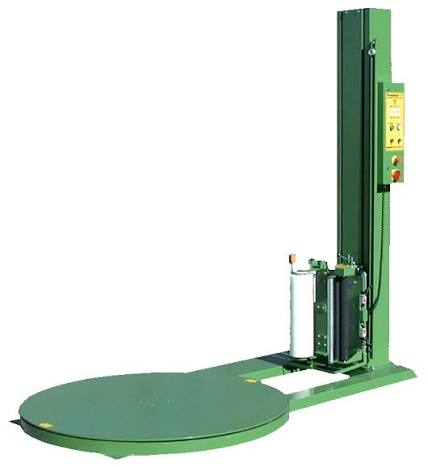
A loaded pallet is ready for dispatch, but the stretch wrapper stops halfway through its cycle. The film carriage will not rise, the turntable hesitates, or the load emerges with uneven containment. In a busy warehouse, one interrupted wrapping station can delay an entire shipping schedule.
A Highlight Industries pallet wrapper relies on coordinated mechanical and electrical systems to secure loads consistently. Understanding what operators can observe, what technicians should inspect, and which records to preserve makes unexpected interruptions easier to manage. Rather than waiting for a complete breakdown, facilities can organize maintenance around predictable warning signs.
Before the Shift: Establish a Baseline
Begin with a brief visual check performed according to the equipment manufacturer’s operating instructions. Look for loose film remnants, obvious obstructions, damaged guards, and unusual wear. Confirm that the work area is clear and that the pallet fits the machine’s stated capacity.
Operators should not bypass interlocks or open guarded assemblies to investigate faults. Anything involving hazardous energy belongs to trained maintenance personnel following appropriate isolation procedures.
A baseline also includes knowing what normal operation looks and sounds like. That familiarity makes changes easier to report accurately.
Supervisors can support this routine by providing a simple inspection sheet and a clear reporting channel. A brief record of the time, symptom, and affected pallet type often proves more useful than an informal description passed between shifts. Consistency makes emerging patterns visible.
During Wrapping: Watch Three Movements
Turntable movement. On turntable-style machines, the platform should rotate smoothly within its intended operating range. Jerking or unusual noise may warrant inspection of drive and support components.
Film carriage travel. The carriage should move as programmed so film covers the intended portion of the load. Irregular travel may indicate an issue requiring mechanical or control-system diagnosis.
Film delivery. Stretch film should feed without repeated breaks or uncontrolled slack. Film quality, roll installation, tension settings, and carriage condition can all influence performance.
These observations help describe symptoms; they do not establish which component has failed.
When a Fault Appears: Record, Then Diagnose
Suppose a Highlight Industries pallet wrapper begins leaving loose film near the top of each pallet. Increasing tension immediately might seem sensible, but that adjustment could conceal another issue or cause film breaks.
First, record the affected load dimensions, film type, machine settings, and the point in the cycle where the problem occurs. Note whether the issue affects every pallet or only certain products.
Qualified technicians can then consult service documentation and inspect relevant assemblies. This sequence avoids replacing items based on guesswork.
A Practical Spare-Parts Strategy
Not every facility needs a large inventory of replacement components. Stocking decisions should reflect operating hours, historical failures, supplier lead times, and the financial impact of downtime.
For each critical item, maintain a record containing:
- Machine model and serial number.
- Manufacturer’s component reference.
- Approved replacement specifications.
- Supplier contact and expected lead time.
- Installation date and previous failure history.
After Repairs: Test the Whole Cycle
A repaired wrapper should be evaluated through an approved operational check, not simply switched back into full production. Observe film carriage travel, platform movement, wrapping consistency, and the finished load under representative conditions.
Document what was changed and whether the original symptom disappeared. If the same fault returns, the record gives technicians a starting point for deeper investigation before production resumes.
Conclusion: Make Reliability a Team Habit
The most effective maintenance culture connects operators’ daily observations with technicians’ structured diagnosis. Clear fault descriptions, accurate part references, and safe inspection routines reduce confusion when equipment stops unexpectedly. A Highlight Industries pallet wrapper is only one station in a larger material-handling process, yet its reliability can influence dispatch schedules. The catalogue entry for Highlight Industries parts may be useful when beginning a search, but compatibility must still be confirmed against the particular machine. Similar-looking parts of machines are not necessarily interchangeable across models or revisions. Treating each unusual sound, movement, or wrapping defect as useful information creates better decisions than rushing toward the first plausible replacement. The result is a more prepared team and a packaging line that is easier to maintain.


Most Commented Posts