Modern packaging operations depend on consistent product movement, especially when materials need to travel between sealing, wrapping, and other processing stages. Manual handling can introduce delays, inconsistent positioning, and unnecessary labor requirements. A well-designed conveyor system helps create a smoother workflow by keeping products moving at a controlled pace. For facilities looking to improve packaging efficiency, a motorized belt can provide a practical way to connect different stages of production while reducing interruptions and supporting more consistent material handling.
Maintain a Consistent Product Flow
One of the most important advantages of powered conveyor equipment is its ability to maintain continuous product movement. Instead of requiring workers to repeatedly transfer items between machines, conveyors can transport products from one stage to another with less manual intervention.
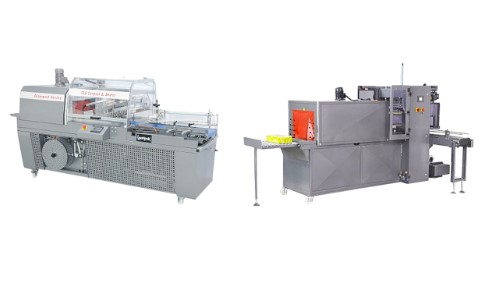
In packaging environments, this consistency can be particularly useful when a conveyor is positioned between a sealer and a heat tunnel. Proper synchronization allows products to move smoothly through the system without unnecessary stops or gaps. This can help production teams maintain a more predictable workflow and reduce bottlenecks caused by inconsistent material movement.
Choose the Right Conveyor Configuration
Conveyor selection should be based on the physical requirements of the production line. Important considerations include belt width, belt length, working height, available floor space, product characteristics, and how the conveyor will connect with surrounding equipment.
For example, an 18-inch-wide conveyor with a 118-inch belt length can provide a substantial working surface for applications requiring longer product travel. The SMART Sync model in this configuration has an adjustable working height ranging from 28 to 39 inches, allowing businesses to adapt the conveyor to different operating setups.
The conveyor’s role should also be considered. Depending on the application, it may function as an infeed unit that moves products toward packaging equipment or as a discharge conveyor that carries finished products away from a processing stage. This flexibility makes conveyor configuration an important part of production-line planning.
Synchronization Supports Better Equipment Integration
A conveyor becomes more useful when it works effectively with the machinery around it. Modern packaging lines often require equipment to communicate or operate together rather than functioning as isolated components.
A motorized belt equipped with a hard-wired synchronization system can connect directly with compatible sealers or tunnels through an integrated connector. This arrangement can allow conveyor operation and controls to be managed through the connected equipment’s control system. The SMART Sync configuration, for example, supports functions such as speed control, on/off operation, and emergency-stop control through its integrated system.
This type of integration can simplify operation while helping different stages of the packaging process work together more efficiently. It can also reduce the need for separate power arrangements when the conveyor is designed to receive power from compatible packaging equipment.
Consider Adjustability and Maintenance
A conveyor should not only fit today’s production requirements; it should also be practical for everyday operation. Adjustable working heights can make equipment easier to integrate with existing machinery and accommodate changes in workstation configuration.
Durability is another important consideration. Heavy-duty conveyor construction can be valuable in production environments where equipment operates regularly throughout the day. Businesses should also consider accessibility for routine cleaning, inspection, belt maintenance, and replacement of wearable components.
Before purchasing, operators should review the conveyor’s dimensions, weight, electrical requirements, and installation conditions. For the referenced 18-inch-by-118-inch configuration, the listed frame width is 22 inches, while the frame length is approximately 120 inches and the crated weight is 880 pounds.
Build a More Efficient Packaging Line
An effective conveyor system is more than a method for moving products. For businesses exploring integrated conveyor and packaging solutions, we at Maripak USA provide equipment designed to support efficient product handling and coordinated packaging workflows. When properly selected and integrated, it can become an important part of a coordinated packaging workflow. Consistent movement, adjustable positioning, equipment synchronization, and appropriate sizing can all contribute to smoother production. For businesses evaluating conveyor equipment, the goal should be to select a system that matches the products being handled, integrates with existing machinery, and supports the facility’s operational requirements.





Most Commented Posts