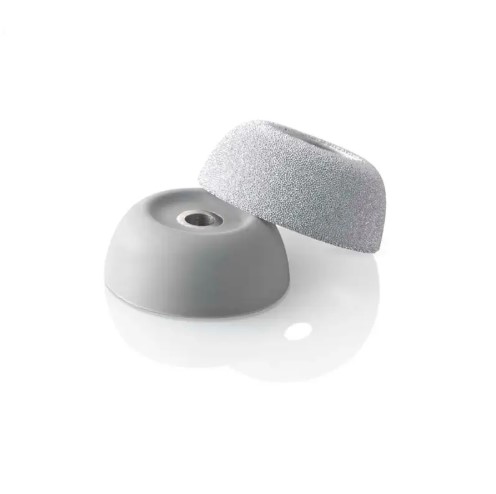
Selecting the right tire buffing equipment is a critical decision for any tire repair or retreading shop. Proper buffing ensures strong patch adhesion, smooth surfaces, and long-lasting repairs. The wrong tire buffing equipment, on the other hand, can slow down workflow, damage tire casings, or compromise safety. With modern tire service demands increasing, choosing equipment that matches your shop’s workload, repair types, and technician skill levels can directly impact productivity and profitability.
Understanding what features matter most in tire buffing equipment helps you invest wisely rather than overspending on unnecessary capabilities or underperforming with entry-level tools.
Understand the Role of Tire Buffing in Repairs
Before choosing equipment, it’s important to understand why tire buffing for repair is essential. Buffing removes damaged rubber, cleans the injury area, and creates a textured surface that allows repair materials to bond effectively. Without proper buffing, patches or plugs may not adhere correctly, leading to air leaks or repeat failures.
Consistent, controlled buffing also prevents over-grinding, which can weaken the tire structure. This means the equipment you select must provide precision, speed control, and reliability rather than simply raw power.
Identify Your Shop’s Workload and Repair Types
Start by evaluating how often your shop performs repairs. A small garage handling occasional punctures has very different needs compared to a high-volume commercial or retread facility.
Low-volume shops typically benefit from compact, handheld pneumatic or electric tools that are easy to store and operate. Medium- to high-volume operations often require heavy-duty, industrial-grade tire buffing equipment designed for continuous use and faster cycle times. If you regularly repair truck or off-the-road tires, you’ll need more powerful motors and larger buffing heads to handle thicker rubber and larger surfaces.
Matching equipment capacity to workload ensures efficiency without unnecessary expense.
Choose Between Pneumatic and Electric Tools
Both pneumatic and electric systems are widely used, and each has advantages. Pneumatic tools are common in professional tire shops because they are lightweight, durable, and capable of running continuously without overheating. They also offer strong torque and precise control when connected to a stable air compressor.
Electric tools are often quieter and more portable, making them suitable for mobile repair services or smaller workshops without large compressors. However, they may not withstand prolonged heavy-duty use as well as air-powered options.
Consider your existing infrastructure and technician preferences when deciding which system best fits your workflow.
Select the Right Buffing Accessories
Accessories play a major role in buffing quality. One essential component is the tire buffing rasp, which helps clean and texture the repair area quickly and uniformly. Rasps come in various shapes and grit levels, allowing technicians to choose the right aggressiveness for different repair tasks.
Coarse rasps remove material quickly for larger injuries, while fine rasps provide smoother finishing. Interchangeable heads increase versatility and reduce the need for multiple tools. Investing in high-quality rasps and buffing stones improves consistency and reduces the chance of damaging the casing.
Compatibility between accessories and your base tool is also important, so always verify fitting standards before purchasing.
Focus on Safety and Ergonomics
Buffing generates dust, heat, and vibration, so safety should never be overlooked. Look for equipment with guards, stable grips, and low vibration levels to reduce operator fatigue. Ergonomic designs help technicians maintain control during extended use, which improves both safety and precision.
Dust extraction or collection systems are another valuable feature, especially in busy shops. They keep the workspace clean, improve air quality, and extend equipment life by preventing debris buildup.
Reliable speed controls and automatic shutoffs add an extra layer of protection for both workers and tires.
Evaluate Durability and Maintenance Requirements
Downtime can be costly, so choose equipment built with industrial-grade materials. Metal housings, sealed bearings, and easy-to-replace parts extend service life. Check whether replacement components such as rasps, pads, or motors are readily available.
Regular maintenance should be simple and straightforward. Tools that are easy to clean and service reduce repair interruptions and long-term costs. Brands with strong warranties and local support networks provide additional peace of mind.
Consider Cost Versus Long-Term Value
While price matters, the cheapest option rarely delivers the best results. Higher-quality tire buffing equipment often pays for itself through faster repairs, reduced rework, and longer lifespan. Calculate the total cost of ownership, including maintenance, consumables, and productivity gains.
Investing in dependable equipment improves repair quality and customer satisfaction, both of which contribute directly to your shop’s reputation and revenue.
Conclusion
Choosing the right equipment requires balancing performance, durability, safety, and budget. By understanding your workload, selecting appropriate power sources, using the correct tire buffing rasp, and prioritizing reliable design, you can ensure efficient tire buffing for repair and consistent results. Equipping your workspace with professional-grade tire buffing tools sets the foundation for long-term success. Making informed decisions about tire buffing equipment ultimately leads to safer repairs, smoother operations, and better returns on investment.




Most Commented Posts