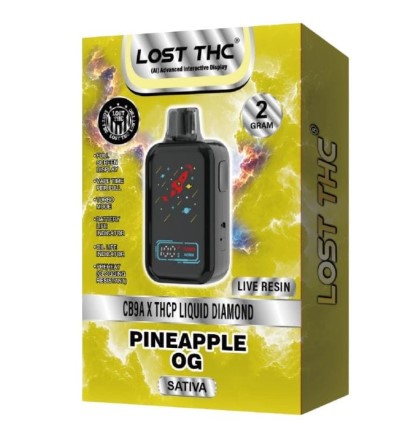
Hemp-derived vaping products have become increasingly complex, with newer devices combining larger capacities, rechargeable batteries, multiple cannabinoids, temperature controls, digital displays, and different extract types. For adults researching these products, understanding the terminology and hardware is important before considering use.
A Lost THC vape is generally a pre-filled disposable vaping device containing hemp-derived cannabinoid extracts. Current products in the Lost THC range include formulations featuring THCA, THCP, CB9A, live resin, liquid diamonds, and other blends. The devices also vary in capacity, with current models listed in sizes ranging from 2 grams to 8 grams.
What Is a Lost THC Vape?
A Lost THC vape is an all-in-one electronic device designed to heat a cannabinoid extract and produce an inhalable aerosol. Unlike traditional vape cartridges that may require a separate battery, disposable devices usually combine the battery, heating element, cannabinoid reservoir, controls, and mouthpiece within one unit.
Current Lost THC models vary considerably in size and formulation. The manufacturer currently lists 2G, 3G, 5G, 7G, and 8G products, with differences in cannabinoid blends and device designs.
This means adults should read the specifications for the individual product rather than assuming all devices carrying the same brand name have identical ingredients or potency.
How Does a Lost THC Vape Work?
Like most disposable cannabinoid devices, a Lost THC vape uses battery power to heat the extract contained inside the device.
Current Lost THC disposables are described by the manufacturer as using ceramic coils, USB-C charging, preheat functions, and three heat settings. The company’s current usage guide explains that its devices use a button-based control system to power the device, initiate preheating, and adjust the temperature setting.
Temperature can matter because cannabinoid extracts differ in viscosity. Lower settings may heat the material more gradually, while higher settings can produce more aerosol and consume the available extract faster.
What Do THCA, THCP, and CB9A Mean?
Cannabinoid labeling is one of the most important parts of evaluating any Lost THC vape.
Current product listings include devices containing THCA, THCP, and CB9A, as well as products marketed with live resin, rosin, or liquid-diamond formulations.
These terms should not be treated as interchangeable. They can refer to different cannabinoids, extraction approaches, or concentrate formats.
THCA, for example, is a cannabinoid precursor that can convert into THC when heated. THCP is another cannabinoid with psychoactive potential. Less-established cannabinoids may have more limited human research available, making careful review of product information particularly important.
The cannabinoid composition can also influence potency and effects, so adults should avoid choosing products solely on the basis of flavor or device capacity.
Why Laboratory Testing Matters
Third-party testing can provide information that cannot be determined simply by looking at a vape device.
The official Lost THC site states that its current products undergo third-party laboratory testing and that batch reports can be accessed through product information. It also advises consumers to verify products using batch codes, holographic markers, and certificates of analysis.
A laboratory report may include information about:
- Cannabinoid concentration
- Delta-9 THC levels
- Batch identification
- Residual solvents
- Heavy metals
- Pesticides
- Microbial contaminants
The exact tests included can vary between laboratories and products, so consumers should check what was actually analyzed rather than assuming every certificate covers the same contaminants.
Does a Larger Vape Mean Better Quality?
No. Capacity primarily describes how much extract a device contains.
A larger Lost THC vape may contain several grams of cannabinoid material, but quantity alone does not determine quality, purity, reliability, or safety.
Current Lost THC products range from smaller 2G devices through larger 8G models. The manufacturer states that its current lineup shares several hardware features, including ceramic coils, USB-C charging, heat settings, and screens, while tank size and cannabinoid formulation differ between products.
When evaluating specifications, it is therefore more useful to examine the complete combination of cannabinoid content, testing documentation, hardware design, and manufacturer information.
Why Authenticity Checks Are Important
Counterfeit products are a particular concern in the cannabinoid and vape markets.
Lost THC issued a brand-protection notice in 2026 stating that unauthorized websites and counterfeit products using the company’s name had appeared online. The company recommends checking packaging authentication features, batch codes, QR information, and corresponding laboratory reports.
Consumers should be cautious when product packaging, spelling, laboratory documentation, or manufacturer information appears inconsistent.
What Should Adults Check Before Using One?
Before using a Lost THC vape, adults should inspect both the product information and physical device.
Important details include cannabinoid concentrations, ingredient disclosures, batch information, laboratory results, device capacity, operating instructions, and applicable warnings.
The physical device should not be used if it appears cracked, swollen, leaking, or unusually hot. Rechargeable devices should also be charged only according to manufacturer instructions.
Cannabinoid products can cause intoxication and impairment. They should not be used before driving, operating machinery, or performing tasks requiring full concentration.
Legal requirements also differ by location. The manufacturer’s own site notes that shipment restrictions apply in several states, illustrating why adults should verify current state and local rules rather than assuming hemp-derived products are permitted everywhere.
Conclusion
Understanding cannabinoid formulations, hardware, laboratory testing, and product authentication can make researching a Lost THC vape considerably easier. Devices within the same product family may differ in capacity, extract type, cannabinoid composition, and operating features, making individual product review essential. When examining listings available through Zmarksthespot, adults should focus on clear ingredient information, verifiable certificates of analysis, device instructions, applicable legal requirements, and authenticity indicators. These details provide more useful information than choosing a product based solely on flavor, packaging, advertised potency, or device size.





Most Commented Posts