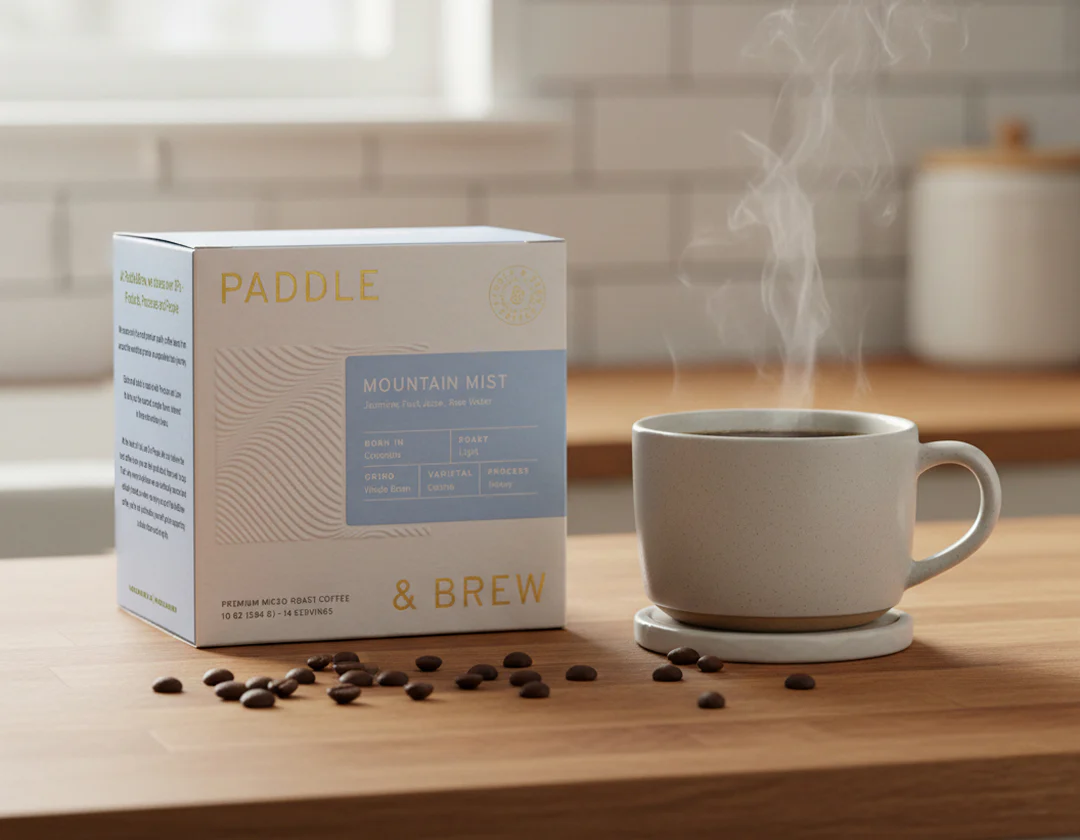
Coffee culture has evolved dramatically over time, yet the core appreciation for a good cup remains constant. While traditional coffee evokes familiar brewing methods and nostalgic flavor profiles, modern coffee reflects innovation and customization in both preparation and taste. Understanding the key differences between these two approaches helps coffee lovers appreciate what each style brings to the cup, from brewing technique to sensory experience. This guide explores how traditional and modern coffee differ in methods, flavor, cultural significance, and daily enjoyment.
Origins and Definition
Traditional coffee typically refers to time‑honored roasting and brewing practices that have endured for generations. The products labeled under traditional collections, like those on Paddle & Brew, feature small‑batch, micro‑roasted beans meant to highlight the subtleties and nuances of the coffee’s inherent flavors. These beans are roasted with precision and care to develop inherent taste characteristics without over‑processing. The result is a profile that often resonates with a classic, full‑bodied cup cherished by connoisseurs.
In contrast, modern coffee often incorporates advanced brewing technologies, global influences, and specialty roasting techniques that push beyond heritage norms. Modern coffee practices span espresso‑based drinks, cold brew, pour‑overs, and other innovations that emphasize precision, consistency, and creative flavor extraction.
Brewing Techniques
Traditional coffee methods tend to emphasize simplicity and ritual. Drip brewing, French press, and other basic techniques reflect a hands‑on approach that focuses on the essential elements of coffee bean, water, and heat. These techniques have roots in coffee’s early domestic preparation and are deeply ingrained in the daily habits of many coffee drinkers. Their popularity stems from a straightforward brewing process that yields a familiar, comforting cup. In the case of Paddle & Brew’s traditional offerings, the emphasis on small‑batch roasting brings familiar richness and nuanced flavor straight to the home brewer.
Modern coffee techniques use machinery and refined processes designed to maximize flavor extraction and consistency. Espresso machines, precision grinders, temperature‑controlled brewers, and slow extraction devices like pour‑overs or cold brew systems all fall into this category. These methods often require specialized equipment and training to master, reflecting a technological and stylistic evolution in coffee culture.
Flavor and Sensory Experience
The flavor profile of traditional coffee often tends toward balanced, rich, and robust notes. Because traditional beans are roasted with an emphasis on complexity and depth, cups brewed from these beans can reveal a range of tasting notes, from nutty and chocolatey to fruity and floral, depending on origin and roast level. These characteristics are enhanced by classic brewing approaches that emphasize the bean’s natural qualities.
Modern coffee, by contrast, can span a much wider spectrum of flavors. Espresso, cold brew, and signature café drinks introduce elements like crema, acidity balance, strength, and texture that may not be as pronounced in traditional drip or steeped brews. The flexibility in bean selection, roast styles, and brewing precision empowers baristas and home brewers to tailor flavor outcomes to individual tastes.
Cultural and Social Roles
Traditional coffee often carries cultural significance. Around the world, simple brewing methods are tied to social rituals, family gatherings, and daily routines that have persisted for generations. The act of brewing and serving coffee becomes a symbol of hospitality and comfort, where each cup carries a sense of continuity with the past.
Modern coffee culture, on the other hand, frequently plays out in coffee shops and specialty cafes where social interaction and innovation go hand in hand. These environments foster experimentation and community engagement, inviting coffee drinkers to explore new flavor experiences and brewing methods that reflect contemporary trends.
Conclusion
Both traditional coffee and modern coffee play distinct roles and values in today’s coffee landscape. Traditional coffee celebrates heritage, simplicity, and depth of flavor, while modern coffee embraces innovation, precision, and broad customization. Enthusiasts can appreciate the comforting ritual of traditional brews and the exploratory character of modern techniques. Whether you favor classic methods or contemporary approaches, coffee remains a beloved beverage that brings joy and connection. For those looking to elevate their coffee experience at home, choosing high‑quality beans, especially decaf coffee beans, ensures every cup reflects the best of both tradition and innovation.






Most Commented Posts