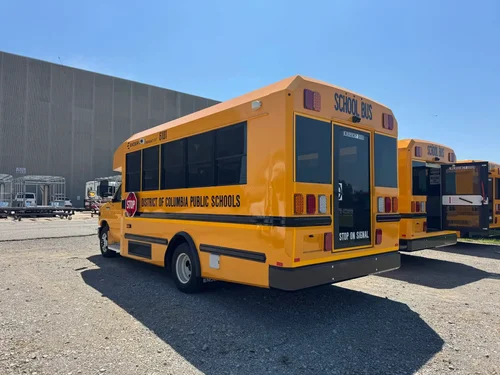
The global shift toward sustainable transportation has transformed the school bus industry. Communities are moving away from diesel fleets, investing instead in electric models that reduce emissions and improve long-term cost efficiency. At the center of this transformation are electric school bus manufacturers, who not only focus on clean technology but also ensure that vehicles meet rigorous safety standards. In regions with extreme climates—whether desert heat or subzero winters—designing buses that remain reliable and safe is a particular challenge.
Why Electric School Buses Are Gaining Popularity
Parents, educators, and policymakers all recognize the advantages of electric school buses. The most obvious is environmental: eliminating tailpipe emissions reduces air pollution around schools and neighborhoods. Students also benefit directly from cleaner air inside and outside the bus, lowering exposure to harmful particulates.
For school districts, the attraction goes beyond sustainability. Electric buses often come with lower operating costs. Without complex diesel engines, maintenance needs are reduced, and electricity is generally more affordable than fuel. This makes transitioning to electric fleets a smart financial move, particularly when supported by government incentives. As demand rises, electric school bus manufacturers are investing in models built for durability and compliance with evolving regulations.
Safety Standards In Harsh Climates
Extreme climates introduce unique safety considerations. For example, high summer temperatures can strain battery systems, while freezing winters challenge heating and overall vehicle performance. Leading electric school bus manufacturers must meet strict regulations that ensure student safety regardless of environmental conditions.
Key safety requirements include:
- Thermal management systems to keep batteries within safe operating ranges.
- Advanced braking systems that perform reliably in both heat and cold.
- High-voltage insulation to protect against electrical hazards in humid or icy conditions.
- Crash-tested frames designed to withstand accidents without compromising battery safety.
By addressing these factors, manufacturers demonstrate that electric buses are not only eco-friendly but also dependable for everyday use.
Engineering Solutions For Climate Challenges
The best electric school bus manufacturers don’t just meet basic safety requirements—they innovate to ensure vehicles thrive in any climate. In hot regions, liquid cooling systems keep batteries at stable temperatures, preventing overheating. In colder regions, preconditioning technology warms the battery and cabin before operation, ensuring consistent performance and comfort.
Some manufacturers also integrate regenerative braking systems that capture energy while reducing wear on brakes, a particularly useful feature on icy roads. These innovations highlight the engineering expertise that distinguishes leaders in the electric bus market.
The Role Of Collaboration With School Districts
Meeting climate challenges also requires collaboration between electric school bus manufacturers and school districts. Districts provide real-world feedback on vehicle performance, enabling manufacturers to refine designs for safety and efficiency. In turn, manufacturers train operators and maintenance staff on best practices for extreme conditions.
This partnership ensures not only regulatory compliance but also smoother adoption of electric fleets. By addressing safety concerns upfront, schools can confidently transition to greener transportation without compromising student protection.
Conclusion
As the push for sustainable transportation accelerates, electric school bus manufacturers play a critical role in ensuring safety remains the top priority. Extreme climates add complexity, but with advanced thermal systems, robust testing, and collaborative planning, modern electric buses meet the challenge. Parents and educators can feel assured that these vehicles not only reduce emissions but also deliver safe, reliable service year-round.
For districts exploring options, the growing variety of models highlights how far the industry has come. Options now include EV school bus fleets tailored to specific regions, established school bus manufacturers adapting to electric models, and specialized electric buses manufacturers focusing solely on sustainability. Together, these innovations mark the beginning of a cleaner, safer, and more adaptable future for student transportation.






Most Commented Posts