A backyard feels very different once it stops being visible to the whole street. Fences can help, yet living barriers add softness and shade that a plain panel of wood never will. That is why privacy trees have become a favorite choice among homeowners and landscapers alike. Chosen well, they grow into dense green walls that screen neighbors, define spaces, and frame outdoor areas. Chosen poorly, they can sprawl, thin out, or demand constant, hands-on attention. This practical guide covers which varieties grow quickly, how tall they typically get, which ones need little upkeep, and how they suit smaller gardens.
Why Living Screens Work So Well
Unlike a solid wall, a planted screen softens a property’s edges. Dense foliage blocks sightlines, offers natural shade, and gives gardens a layered look. Many options are evergreen, so the effect lasts through the year rather than fading when temperatures drop. Planted rows can also define spaces within a yard, separating a patio from a play area or a vegetable bed from a seating nook. Few materials do so much while looking this natural.
Fast-Growing Varieties for Quick Coverage
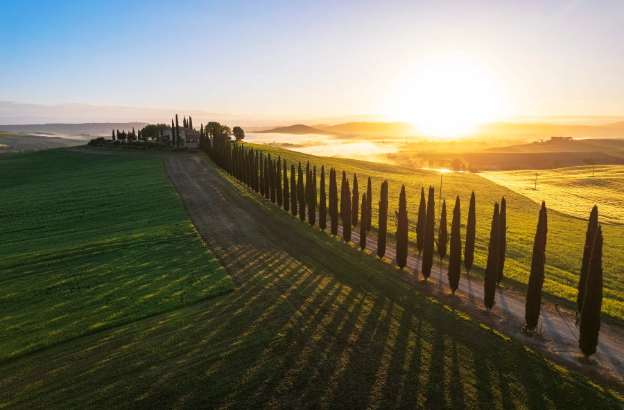
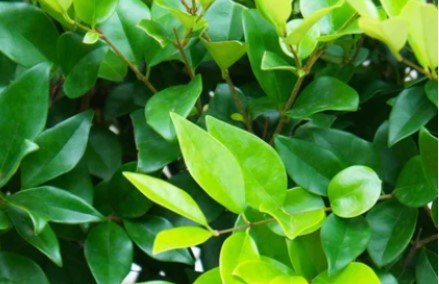
Patience is not everyone’s strong suit, and fortunately several plants fill in quickly. Among privacy trees, Ficus Nitida, Italian Cypress, and Carolina Cherry Laurel are widely recommended for rapid coverage and dense foliage. Ficus Nitida, also known as Indian Laurel, forms a thick hedge, while Italian Cypress rises in a slim, upright column that suits narrow strips. Leyland Cypress is another variety grown in containers for fast privacy hedges. When speed matters most, starting with these choices shortens the wait for real seclusion.
How Tall Will They Grow?
Hedge plants vary widely in height. Low, decorative hedges may stay around 1 to 3 feet tall, whereas larger privacy hedges can reach 6 to 12 feet or more. Matching the mature size to your goal prevents surprises later. A waist-high border cannot block a neighbor’s view of a deck, and a towering screen may overwhelm a tiny courtyard. Measure the area, decide how much height you truly need, and then shortlist varieties that fit.
Low-Maintenance Choices
Not everyone wants a weekend of pruning. Italian Cypress, Carolina Cherry Laurel, Japanese Boxwood, Wax Leaf Privet, and Podocarpus are known for needing minimal watering and pruning. They also grow in a range of conditions and still deliver effective screening. Podocarpus and Japanese Boxwood come in several forms, from tall columns to rounded globes, which makes it simple to blend them with formal or relaxed garden styles.
Options for Small Gardens
Limited space does not rule out privacy. Hedge plants suit small gardens well because they provide screening, define areas, and complement the overall look of the landscape. Slim columns such as Italian Cypress or its dwarf form take up little width, and compact boxwood varieties offer neat structure along a path or patio. Even a single row can transform an exposed corner into a calm retreat. For tight yards, privacy trees with an upright habit are often the smartest starting point.
Planning Before You Plant
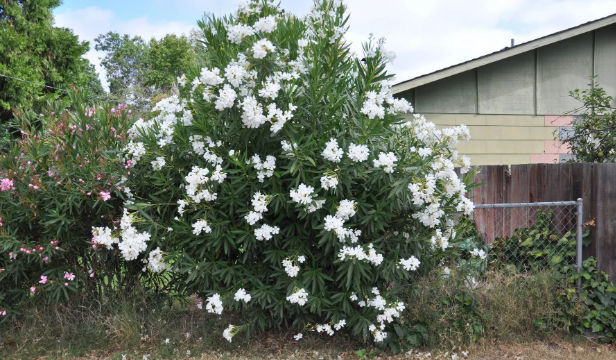
A little homework pays off. Walk the property line and note where sightlines are most intrusive. Consider sunlight, available width, and how formal you want the finished look to be. Nursery stock is sold in various container sizes, such as 5-gallon and 15-gallon plants, and larger containers generally mean a head start on size. Oleanders in white, pink, and red also add flowering color.
Conclusion
Privacy comes from smart planning more than any single plant: pick the right height, growth rate, and care level for your yard, and the rest follows naturally. Gardeners comparing sources for hedge stock may find that nurseries such as Plant Clearance list a wide range of evergreen screening plants in one place, from cypress and boxwood to laurel and bamboo. Whatever you choose, give young plants time to establish, and enjoy watching a bare boundary turn into a living wall.


Most Commented Posts