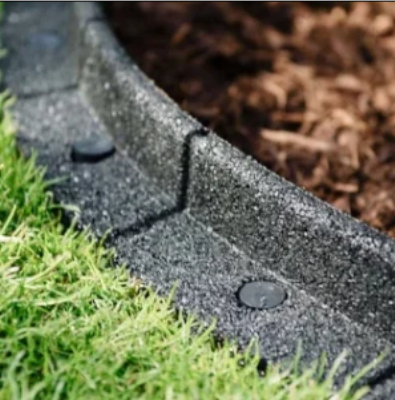
A well-designed garden depends on more than plants, flowers, and outdoor features. The way different areas meet can have a major effect on both appearance and maintenance. Lawns, planting beds, gravel paths, patios, and borders can become difficult to manage when their boundaries are poorly defined. Garden edgings provide a practical way to create clear transitions between these areas while helping maintain the intended shape of a landscape. The Royal Horticultural Society notes that defined lawn edges can help prevent grass from spreading into adjacent beds, while permanent edging can reduce the amount of hand trimming required.
What Are Garden Edgings?
Garden edgings are physical borders installed between different parts of a garden or landscape. They can separate lawns from flower beds, gravel from planting areas, paths from soil, or patios from surrounding landscaping.
Edging can be purely functional, decorative, or a combination of both. Some materials sit almost flush with the ground to create a subtle boundary, while others are more visible and become part of the garden’s overall design.
A defined edge can also make a garden easier to maintain. Grass can be less likely to spread into a planting bed when there is a clear boundary, while loose materials such as mulch or gravel can be easier to contain.
Why Are Garden Edgings Useful?
One of the main purposes of garden edgings is to establish visual structure. A clearly defined border can make planting areas appear more intentional and help different sections of a garden look connected.
There are also practical advantages. The RHS recommends installing wood or metal edging as one way of retaining the shape of a lawn and making edge trimming easier. A well-defined edge can also help keep mulch within a border.
Edging can be particularly useful in gardens where lawns meet planting beds. Without a defined boundary, grass can gradually encroach into beds, while soil, mulch, and other materials can move onto the lawn.
What Materials Are Used for Garden Edging?
There is no single material that works for every landscape. The appropriate choice depends on the garden’s style, ground conditions, expected maintenance, and desired appearance.
Metal Edging
Metal is often selected when a narrow, unobtrusive boundary is preferred. It can create clean lines and is available in different finishes and profiles.
Metal edging can work particularly well in contemporary gardens where simple geometric lines are part of the overall design.
Plastic or Composite Edging
Synthetic edging can provide flexibility for gardens containing curved borders or irregular shapes. Depending on its construction, it may also be lightweight and relatively straightforward to install.
Timber Edging
Wood can create a more natural appearance and can complement informal planting schemes. However, its long-term performance depends on the type of timber, ground exposure, and maintenance requirements.
Stone and Brick
Stone and brick can provide a substantial visual boundary and may complement patios, paths, or traditional gardens. Because these materials are generally more rigid, they can be particularly suitable for straight or carefully planned curves.
How Do You Choose the Right Edging?
Choosing garden edgings should start with the purpose of the boundary. If the main objective is to stop grass entering a flower bed, a functional edging solution may be more important than a highly decorative one.
For a contemporary landscape, a narrow and understated profile may complement clean planting arrangements. An informal cottage-style garden may suit materials that blend more naturally into the surroundings.
The shape of the border also matters. Curved beds require edging that can follow the intended radius without creating awkward corners. The RHS recommends using a hose or similar flexible line when marking curved borders because it makes it easier to experiment with shapes before committing to the final layout.
What Should You Consider Before Installation?
Ground preparation is an important part of installing edging. The proposed boundary should be measured and marked before digging or fixing the edging into position.
Consider the existing soil, drainage, lawn height, nearby plants, and any paths or paving. The edging should create a useful transition without interfering with drainage or plant growth.
The RHS also emphasizes understanding soil conditions when planning garden borders because soil type influences drainage and the suitability of different plants.
The final height of the edging is another consideration. A raised border may create a stronger visual division, whereas a low-profile edge can be less noticeable while still defining the boundary.
Can Edging Reduce Garden Maintenance?
Properly selected garden edgings can make some routine maintenance tasks easier. A clearly defined boundary means gardeners can mow or trim along a consistent line rather than repeatedly redefining the edge.
The RHS notes that regular lawn-edge maintenance prevents grasses from encroaching into borders, while permanent edging solutions can reduce the need for repeated hand edging.
However, edging does not eliminate maintenance entirely. Plants may spread over boundaries, soil can shift, and weeds can appear alongside or within borders. Regular inspection helps maintain both the appearance and function of the edge.
How Does Colour Affect Garden Edging?
Colour can influence whether edging becomes a prominent feature or blends into the landscape. Darker tones can create strong contrast against lawns and light-colored gravel, while neutral shades may provide a more understated transition.
A grey garden edging option can work particularly well when the surrounding landscape includes stone, concrete, slate, silver foliage, or contemporary outdoor materials. Grey can provide definition without creating the same visual contrast as a very dark or brightly coloured border.
The right colour ultimately depends on the existing palette of the garden. It can be useful to consider edging alongside paving, fencing, walls, furniture, and planting rather than selecting the colour independently.
Conclusion
Good landscape design combines aesthetics with practical considerations, and garden edgings can contribute to both. They can define planting areas, separate lawns from borders, help contain loose materials, and make routine maintenance more manageable. The best choice depends on factors including material, durability, installation method, garden style, border shape, soil conditions, and the level of visibility desired. Before installation, carefully planning the border and understanding how water, plants, and lawn growth interact with the boundary can help create a more effective result. For contemporary or understated landscapes, grey garden edging can provide a versatile transition between different outdoor surfaces while maintaining a clean and coordinated appearance.


Most Commented Posts