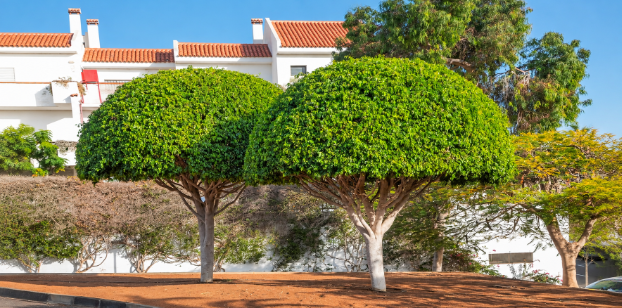
Creating a green, attractive landscape often involves selecting plants that offer lasting visual appeal, suitable growth habits, and practical benefits. Trees with dense foliage can provide privacy, define property boundaries, and create a natural backdrop for outdoor spaces. Ficus Nitida, also known as Indian laurel fig, is commonly used in landscaping because of its evergreen foliage and ability to form a thick, leafy canopy when maintained appropriately.
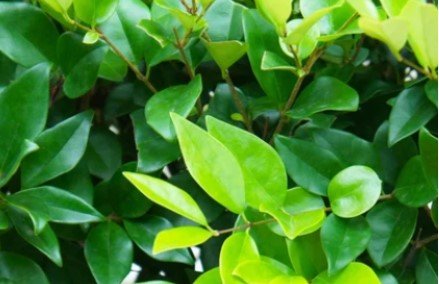
Native to parts of Asia and the western Pacific, this species is widely planted in warm climates where frost is limited. Its glossy green leaves and branching growth make it suitable for hedges, screens, and larger landscape features. However, its mature size and vigorous root system mean that careful planning is important before planting it near buildings, paved areas, or underground utilities.
Understanding the tree’s growing requirements can help property owners maintain healthy plants while avoiding problems associated with unsuitable placement.
Why Ficus Nitida Is Popular in Landscaping
One of the main reasons this tree is selected for landscaping is its dense evergreen foliage. Unlike deciduous trees that lose their leaves seasonally, it generally maintains its greenery throughout the year in suitable conditions. This characteristic makes it useful for creating consistent visual screening around gardens, commercial properties, and outdoor living areas.
Its growth habit also allows it to be shaped through regular pruning. With appropriate maintenance, individual trees can form formal hedges or structured privacy screens. In larger spaces, they can develop into substantial shade trees with broad canopies.
The species can also adapt to a range of soil conditions when drainage is adequate. Once established in a suitable climate, it can tolerate periods of relatively dry weather better than some moisture-dependent landscape plants. However, young trees need consistent watering while their root systems develop.
Despite these advantages, the tree is not ideal for every property. Its vigorous growth can create maintenance challenges in confined spaces, making mature dimensions an important consideration during landscape planning.
Choosing the Right Location for Planting
Location plays a major role in the long-term health of any landscape tree. Ficus trees generally perform best in warm environments with plenty of sunlight. They can tolerate partial shade, although growth density and overall development may differ depending on available light.
Before planting, assess the available space and consider the tree’s expected mature size. A location that appears suitable for a small nursery plant may become restrictive as the tree develops a larger canopy and extensive root system.
The following factors should guide placement:
- Sunlight: Choose a location with adequate direct or filtered sunlight for healthy foliage development.
- Soil drainage: Avoid areas where water regularly collects around the roots.
- Root clearance: Keep sufficient distance from foundations, retaining walls, drains, and paved surfaces.
- Canopy space: Allow room for branches to spread without interfering with buildings, walkways, or overhead utilities.
- Local climate: Consider temperature extremes and the likelihood of frost before selecting a planting location.
In regions where ficus trees are considered invasive or restricted, local environmental guidance should also be reviewed before planting.
Watering and Soil Requirements
Although established trees can tolerate some dry conditions, appropriate watering is essential during establishment. Newly planted specimens typically require more frequent attention because their roots have not yet spread sufficiently to access moisture throughout the surrounding soil.
Water deeply enough to moisten the root zone, then allow the soil conditions to guide the next watering. Constantly saturated soil can reduce oxygen availability around roots and increase the risk of root problems. Conversely, prolonged dryness can cause leaf drop, wilting, and reduced growth.
Well-drained soil is generally preferable. If the planting area contains heavy clay or drains poorly, improving the planting site may be necessary before installation. Adding organic matter can improve soil structure in some circumstances, but amendments should be selected according to the existing soil conditions.
Conclusion
Ficus trees can contribute to attractive, green landscapes when planted in suitable locations and maintained with appropriate watering, pruning, and monitoring. For property owners considering Plant Clearance, understanding the condition, size, and location of existing vegetation can help determine whether selective pruning, relocation, or removal is the most appropriate option. Their dense foliage makes them useful for privacy screens and hedges, but their mature size and root development require careful planning.




Most Commented Posts