Modern kitchens require appliances that combine functionality, efficiency, and design. Among the most versatile cooking appliances available today is the freestanding gas range, which offers flexibility and powerful cooking performance.
These ranges are widely used in residential kitchens due to their ease of installation and compatibility with various kitchen layouts. Understanding their features, benefits, and how they integrate with ventilation systems can help homeowners make informed decisions.
What is a Freestanding Gas Range?
A freestanding gas range is a standalone cooking appliance that includes both a cooktop and an oven in a single unit. Unlike built-in or slide-in models, freestanding ranges have finished sides and a backguard, allowing them to be placed anywhere in the kitchen.
Typically, these ranges are designed to fit standard kitchen spaces, with a common width of around 30 inches, making them suitable for most households.
Key Features of Freestanding Gas Ranges
Integrated Cooktop and Oven
Freestanding gas ranges combine multiple cooking functions into one appliance, allowing users to cook on the stovetop while baking or roasting in the oven.
Multiple Burners
Most models include four to six burners, providing flexibility for different cooking tasks. For example, a typical 30-inch model includes four sealed burners for efficient heat distribution.
Easy Installation
One of the biggest advantages is their simple installation. These units can be placed between cabinets or at the end of a counter without requiring custom modifications.
Storage and Convenience
Many models include storage drawers, digital displays, and oven lighting for added convenience.
Benefits of Using a Freestanding Gas Range
Flexibility in Kitchen Design
Freestanding ranges can be installed in various kitchen layouts, making them ideal for both new and existing spaces.
Cost-Effective Option
Compared to built-in or slide-in ranges, freestanding models are generally more affordable while offering similar functionality.
High Cooking Performance
Gas burners provide precise temperature control, allowing for better cooking results, especially for tasks like sautéing and simmering.
Easy Maintenance
The design of freestanding ranges makes them easier to clean and maintain, as they can be accessed from all sides.
Types of Freestanding Gas Ranges
Standard Gas Ranges
These models use gas for both the cooktop and oven, offering consistent heat and reliable performance.
Dual Fuel Ranges
Dual fuel options combine a gas cooktop with an electric oven, providing the benefits of both cooking methods.
Professional-Style Ranges
These high-end models offer increased burner power, larger ovens, and advanced features for serious cooking enthusiasts.
Importance of Ventilation in Kitchen Design
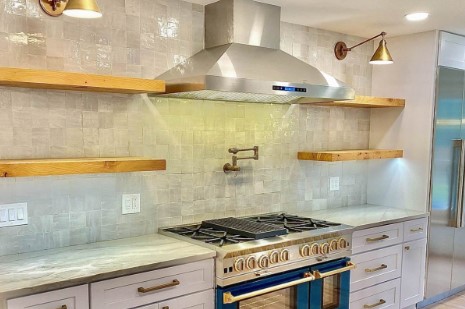
Proper ventilation is essential when using a gas range. Cooking produces heat, smoke, grease, and odors that need to be effectively removed from the kitchen environment.
A well-designed vent hood for a stove helps maintain air quality and ensures a comfortable cooking space. It also prevents grease buildup on surfaces and improves overall kitchen hygiene.
The power of a vent hood is typically measured in cubic feet per minute (CFM), and higher-output ranges may require stronger ventilation systems for optimal performance.
Factors to Consider When Buying a Freestanding Gas Range
Size and Dimensions
Ensure the range fits your kitchen space. Standard models are usually 30 inches wide, but larger options are available for bigger kitchens.
Burner Power
Look for models with varying burner outputs to handle different cooking techniques, from low simmering to high-heat searing.
Oven Capacity
Consider the size of the oven, especially if you frequently cook for large groups or prepare multiple dishes at once.
Additional Features
Modern ranges may include features such as convection cooking, self-cleaning ovens, and smart controls for enhanced convenience.
Energy Efficiency
Energy-efficient models can help reduce utility costs while maintaining high performance.
Maintenance and Safety Tips
Regular Cleaning
Clean burners, grates, and oven interiors regularly to maintain efficiency and hygiene.
Check Gas Connections
Ensure all gas connections are secure and inspect them periodically for safety.
Use Proper Ventilation
Always use a vent hood while cooking to remove smoke and fumes from the kitchen.
Follow Manufacturer Guidelines
Adhering to usage and maintenance instructions helps extend the lifespan of the appliance.
Future Trends in Gas Ranges
Smart Technology Integration
Modern gas ranges are increasingly equipped with smart features, allowing users to control and monitor cooking remotely.
Improved Energy Efficiency
Advancements in design are making gas ranges more energy-efficient and environmentally friendly.
Enhanced Safety Features
New models include safety features such as automatic shut-off and improved ignition systems.
Sleek and Modern Designs
Manufacturers are focusing on aesthetics, offering ranges that complement contemporary kitchen designs.
Conclusion
The freestanding gas range remains a popular choice for homeowners due to its versatility, affordability, and reliable performance. Its ability to fit seamlessly into various kitchen layouts makes it a practical option for both small and large spaces. When paired with proper ventilation, including a well-designed vent hood for stove, these appliances provide an efficient and comfortable cooking environment, ensuring both functionality and safety in modern kitchens.




Most Commented Posts