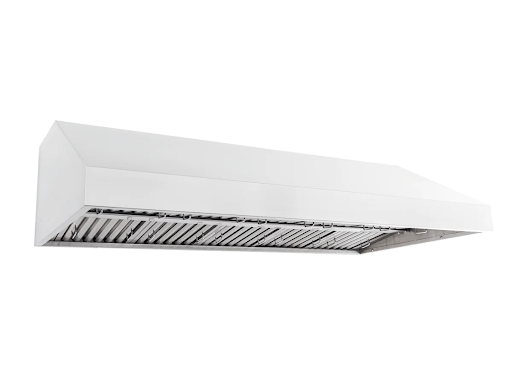
The kitchen is the heart of the home, and proper ventilation is one of the most overlooked aspects of a functional cooking space. Whether you are dealing with lingering cooking odors, grease buildup on cabinets, or excessive heat near the stove, the solution often comes down to choosing the right ventilation system. A 30-inch under-cabinet vent hood is one of the most popular choices for homeowners because it fits neatly beneath existing cabinetry, saves countertop and wall space, and delivers reliable performance for everyday cooking. Before you make a purchase, however, there are several important factors worth understanding.
Why Kitchen Ventilation Matters More Than You Think?
Many homeowners underestimate how much impact cooking fumes have on indoor air quality. When you cook, especially at high heat, the stove releases a combination of grease particles, smoke, carbon monoxide, nitrogen dioxide, and volatile organic compounds. Without proper ventilation, these pollutants recirculate throughout the home. A well-functioning range hood, such as a 30-inch under-cabinet vent hood, removes these contaminants at the source, protecting your household and keeping your kitchen surfaces cleaner for longer.
Understanding the 30-Inch Size Standard
The 30-inch measurement refers to the width of the hood and is designed to align with standard 30-inch cooking ranges. This size is the most commonly installed in American kitchens because it pairs directly with the most widely sold stove width. The under-cabinet design means it mounts to the bottom of an overhead cabinet directly above the range, positioning the capture area as close to the cooking surface as possible. This proximity is key because the closer the hood is to the source of smoke and steam, the more efficiently it draws contaminants upward before they spread into the room.
Installation Considerations for Under-Cabinet Models
A 30-inch under-cabinet vent hood typically mounts to the underside of the cabinet with minimal tools required. However, there are a few installation factors that can affect performance and complexity. Duct routing matters significantly for ducted models. The shorter and straighter the duct run to the exterior, the more airflow efficiency you retain. Every elbow or bend in the duct path reduces CFM by a measurable amount.
Cabinet height above the range is another consideration. Most manufacturers recommend mounting the hood between 18 and 24 inches above the cooking surface. Too high reduces capture effectiveness, while too low creates a safety hazard near open flames.
Maintenance Keeps Your Hood Running at Peak Performance
Even the best range hood will underperform if it is not properly maintained. Grease filters should be cleaned every four to six weeks, depending on cooking frequency. A clogged filter restricts airflow and forces the motor to work harder, shortening its lifespan. Exterior surfaces should be wiped down regularly with a non-abrasive cleaner to prevent grease accumulation, especially on stainless steel finishes.
For ductless models, charcoal filters require replacement approximately every three to six months because they cannot be washed and simply lose their ability to absorb odors over time.
Conclusion
Whether you are renovating an existing kitchen or upgrading an older unit, understanding CFM ratings, noise levels, filter types, and installation requirements will help you make a confident and informed choice. For those exploring flexible installation options or planning a future upgrade, a vent hood insert is also worth considering, as it allows the ventilation mechanism to be housed within a custom cabinet enclosure for a seamless, built-in aesthetic. With the right setup in place, your kitchen becomes not just a more pleasant space to cook in, but a genuinely healthier one.






Most Commented Posts