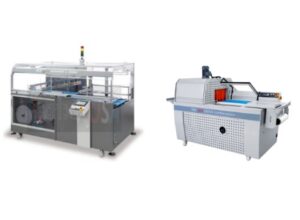
Packaging technology has transformed significantly as manufacturers continue to prioritize automation, speed, and product protection. Industries dealing with food, beverages, pharmaceuticals, electronics, consumer goods, and industrial products require packaging systems that can maintain consistent quality while supporting large-scale production. Heat-based packaging solutions have become an important part of these operations because they provide secure wrapping, improved presentation, and reliable product handling.
A heat shrink machine uses controlled heat to contract shrink film tightly around a product, creating a protective and professionally finished package. Modern heat shrink machine systems combine temperature regulation, airflow management, and automated controls to improve packaging consistency while reducing material waste and production challenges.
Understanding How Heat Shrink Machines Work
A heat shrink machine operates by applying controlled thermal energy to shrinkable plastic film placed around a product. Once heated, the film contracts and forms a tight layer around the item, helping protect it during storage, transportation, and handling.
The typical process involves:
- Product placement inside shrink film
- Film sealing
- Movement through the heating chamber
- Film contraction
- Cooling and package stabilization
The combination of accurate heat application and controlled movement ensures consistent packaging results across different product types.
Main Components of a Heat Shrink Machine
Modern systems are designed with several integrated components that work together to deliver efficient packaging performance.
Key components include:
- Heating chamber
- Temperature control system
- Conveyor mechanism
- Air circulation fans
- Film sealing unit
- Digital control interface
- Safety systems
Each component contributes to maintaining stable operating conditions and improving overall packaging reliability.
Importance of Temperature Control
Temperature accuracy is one of the most critical factors in shrink packaging. Incorrect heat levels can cause issues such as incomplete shrinking, damaged film, or inconsistent package appearance.
Advanced systems use precise temperature controls to maintain:
- Stable heat levels
- Uniform film contraction
- Reduced energy consumption
- Improved package quality
- Consistent production output
Proper temperature management allows manufacturers to achieve professional packaging results while minimizing material loss.
Role of Airflow in Shrink Packaging
Air circulation plays an important role in ensuring even heat distribution throughout the shrinking process. A well-designed heat shrink machine uses optimized airflow patterns to prevent uneven heating and improve package consistency.
Effective airflow management helps achieve:
- Uniform shrink results
- Faster processing times
- Reduced film distortion
- Better energy efficiency
- Improved product presentation
Heat tunnels and shrink systems are commonly engineered with airflow designs that support reliable operation across different packaging requirements.
Applications Across Industries
A heat shrink machine is used across various industries because of its ability to package products of different sizes and configurations.
Common applications include:
- Food and beverage packaging
- Pharmaceutical products
- Cosmetics
- Consumer electronics
- Printed materials
- Household items
- Industrial components
- E-commerce products
The flexibility of shrink film technology makes these systems suitable for both retail and industrial packaging environments.
Choosing the Right Shrink Machine
Selecting appropriate packaging equipment requires evaluating several production factors.
Important considerations include:
- Product dimensions
- Production speed requirements
- Film compatibility
- Available workspace
- Automation level
- Energy efficiency
- Maintenance requirements
Manufacturers should consider both current packaging needs and future production growth when selecting equipment.
Benefits of Automated Heat Shrink Systems
Automation has improved the efficiency and reliability of shrink packaging operations.
A modern heat shrink machine helps businesses achieve:
- Faster packaging cycles
- Reduced manual involvement
- Consistent package quality
- Improved production flow
- Lower operational waste
- Better process control
Integration with conveyors, sealers, and other packaging equipment allows manufacturers to create streamlined production systems.
Maintenance and Performance Optimization
Regular maintenance is essential for maintaining reliable equipment performance.
Recommended maintenance practices include:
- Cleaning heating areas
- Inspecting conveyor systems
- Checking temperature controls
- Monitoring fan performance
- Replacing worn components
- Reviewing electrical connections
Preventive maintenance helps reduce downtime and extends equipment service life.
Future Developments in Shrink Packaging Technology
The future of shrink packaging continues to focus on automation, sustainability, and intelligent manufacturing. Advanced machines are increasingly incorporating digital controls, energy-saving systems, and improved monitoring capabilities to increase efficiency. These developments help manufacturers achieve better control over packaging operations while reducing resource consumption and improving production flexibility.
Conclusion
Maripak USA provides packaging solutions designed to support modern manufacturing requirements with reliable and efficient technology. A well-engineered heat shrink machine combines accurate temperature control, optimized airflow, and automated operation to deliver consistent packaging performance across multiple industries. By selecting the right equipment and maintaining proper operating practices, businesses can improve productivity, reduce waste, and create efficient packaging processes. Investing in advanced heat shrink machine technology allows manufacturers to meet growing production demands while maintaining quality, reliability, and long-term operational efficiency.





Most Commented Posts