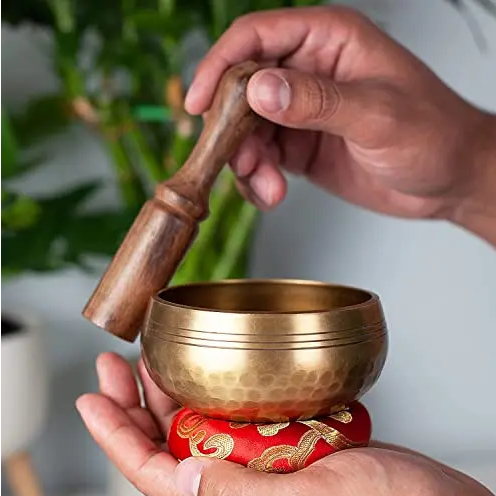
Himalayan crafts reflect centuries of artistic knowledge, cultural traditions, and spiritual expression shaped by communities across Nepal and Tibet. Himalayan handcrafted items are valued not only for their visual appeal but also for the skills, stories, and cultural meanings preserved through their creation. From singing bowls and Tingsha bells to prayer flags, carved objects, and handmade décor, these products connect everyday surroundings with a distinctive Himalayan heritage.
Their appeal lies in the relationship between function and craftsmanship. Many pieces are designed for meditation, spiritual practice, ceremonial use, or home decoration, while their handmade character gives each object an individual quality. Exploring the traditions behind these crafts helps buyers appreciate their cultural value rather than viewing them simply as decorative products.
Understanding the Heritage Behind Himalayan Craftsmanship
Himalayan craftsmanship has developed through diverse cultural influences, local materials, spiritual traditions, and generations of artisan knowledge. Nepalese and Tibetan communities have developed distinctive methods for metalwork, textile production, wood carving, painting, and other forms of artistic expression. These practices are often closely connected with religious and social customs.
The resulting products can carry both practical and symbolic purposes. A bowl may be used to create resonant sounds during meditation, while a textile may communicate spiritual imagery through colours and patterns. This combination of usefulness and meaning gives Himalayan crafts a distinctive place within cultural and artistic traditions.
Artistic Traditions Reflected in Handmade Products
The character of a handcrafted object often comes from the techniques used to produce it. Artisans may shape, cast, carve, weave, paint, or print materials by hand, depending on the product. Small variations in texture, proportion, surface detailing, and finish can therefore occur naturally and contribute to the individuality of each piece.
-
Metalwork and Resonant Instruments
Metal craftsmanship is especially important in creating singing bowls and ritual bells. Artisans pay attention to form, thickness, and finishing because these characteristics influence both appearance and sound. The finished instruments can serve practical roles in meditation while representing longstanding Himalayan metalworking skills.
-
Textile Art and Sacred Designs
Textiles provide another important expression of Himalayan artistry. Prayer flags, decorative fabrics, and other woven products can feature traditional colours, symbols, and printed imagery. Their designs preserve visual elements associated with spiritual beliefs and cultural identity while also allowing these traditions to appear in contemporary spaces.
-
Wood Carving and Decorative Details
Woodworking demonstrates the relationship between natural materials and skilled handcraft. Carved objects may feature traditional motifs, detailed patterns, or functional designs. The visible marks of careful carving give these pieces a tactile character that distinguishes them from standardised, factory-made décor.
-
Symbolism in Colours and Motifs
Colours and imagery often carry meanings within Himalayan spiritual traditions. Sacred figures, mantras, geometric forms, and traditional colour combinations can communicate ideas associated with compassion, wisdom, protection, balance, or devotion. Understanding these elements adds depth to appreciating a finished craft.
-
Artisan Skill Across Generations
Craft knowledge is frequently developed through observation, repetition, and practical experience. Skills passed between generations help preserve techniques that might otherwise disappear. Supporting authentic handmade production can therefore help sustain appreciation of artisan expertise and cultural heritage.
The Cultural Value of Traditional Craft Practices
The importance of handmade cultural products extends beyond their physical appearance. Traditional Himalayan crafts preserve techniques, support artisan communities, and maintain visual traditions that form part of regional cultural identity. Each product can reflect the maker’s knowledge and the environment in which the craft developed.
For buyers, understanding this background encourages more thoughtful choices. Instead of focusing only on appearance, they can consider materials, production methods, cultural symbolism, and intended use. This perspective creates a stronger connection between an object and the heritage it represents.
Spiritual and Practical Uses in Modern Spaces
Himalayan crafts can fit naturally into contemporary homes, meditation rooms, yoga studios, wellness centres, and cultural interiors. Their practical uses make them more than display pieces, while their distinctive designs can introduce warmth and character into carefully planned spaces.
- Meditation and Mindfulness: Singing bowls and ritual bells can support focused listening and create a recognisable beginning or ending for meditation sessions.
- Spiritual Decor: Prayer flags, carved pieces, and symbolic objects can add cultural character to meditation corners, personal altars, wellness rooms, and peaceful interiors.
- Yoga Environments: Traditional sound instruments and handcrafted décor can complement yoga spaces by creating an atmosphere centred on reflection, balance, and mindful movement.
- Meaningful Gifting: Handcrafted cultural products can serve as thoughtful gifts for people interested in meditation, Himalayan traditions, artisan work, or distinctive decorative pieces.
Using these products thoughtfully allows their cultural character to remain visible while adapting them to contemporary lifestyles. Respect for their origins is important when incorporating spiritual symbols into personal or professional environments.
Choosing Authentic Himalayan Crafts With Greater Awareness
Selecting handcrafted products requires attention to quality, authenticity, craftsmanship, and intended purpose. Buyers can examine product descriptions, materials, construction details, and the cultural background provided by a trusted source. This information can help distinguish genuinely handcrafted pieces from products designed only to imitate traditional aesthetics.
Himalayan handcrafted items can differ considerably in size, finish, materials, and production technique. For sound instruments, tonal qualities and construction deserve particular attention, while textiles and decorative products may be evaluated through stitching, printing, fabric quality, and detailing. A thoughtful selection process makes the purchase more meaningful and supports appreciation for genuine artisan work.
Conclusion
Himalayan crafts represent a rich meeting point of artisan skill, cultural heritage, spiritual symbolism, and practical design. Their value comes from the knowledge behind each creation as much as from the finished object. Learning about materials, techniques, symbols, and traditional uses allows people to make more informed choices and develop a deeper appreciation for the cultures represented through these crafts.
If you are looking for authentic products that bring traditional Himalayan artistry into meditation, wellness, gifting, or home décor, Himalayan Bazaar offers a thoughtfully curated collection rooted in Nepalese and Tibetan craft traditions. Its selection includes spiritual instruments, cultural décor, and products such as Tibetan prayer flags, giving customers an opportunity to explore distinctive handmade pieces while appreciating the craftsmanship and heritage that make them meaningful.





Most Commented Posts