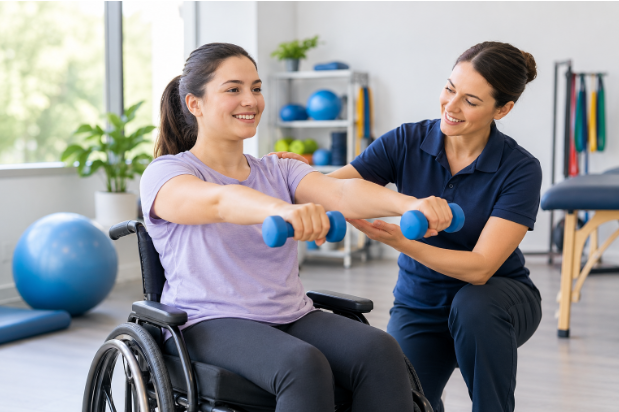
Maintaining physical strength, mobility, balance, and independence can be important for people living with disability or long-term health conditions. However, standard exercise programs may not always account for an individual’s abilities, limitations, or medical needs. Exercise physiology provides a personalised approach that uses structured physical activity to support functional capacity and everyday goals. For people exploring exercise physiology for NDIS support, understanding how these services work can help participants and their families make informed decisions about suitable allied health options.
What Is Exercise Physiology?
Exercise physiology for NDIS is an allied health profession that uses exercise and physical activity to support people with disabilities, injuries, chronic conditions, and other health concerns. Accredited Exercise Physiologists assess an individual’s physical abilities before developing an exercise program suited to their needs.
Unlike general fitness training, exercise physiology considers factors such as medical history, physical limitations, symptoms, mobility, and functional capacity. Programs may be developed for people experiencing neurological, musculoskeletal, cardiovascular, metabolic, or other conditions.
The focus is not necessarily on athletic performance. Instead, exercise can be used to improve physical capacity, support independence, manage certain symptoms, and make everyday movement easier.
How Exercise Physiology Can Help NDIS Participants
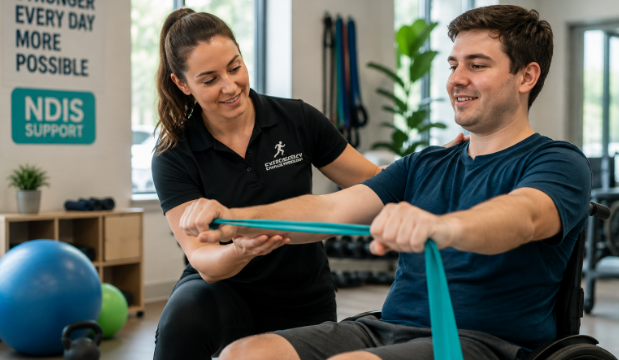
Exercise physiology for NDIS participants works toward goals related to physical function and independence. Depending on an individual’s circumstances, sessions may focus on improving:
- Muscle strength and endurance
- Balance and coordination
- Mobility and movement
- Cardiovascular fitness
- Physical capacity
- Confidence with exercise
- Participation in everyday activities
Every program should be individualised. Two people with the same diagnosis can have very different abilities and exercise requirements, so a standard routine may not be appropriate for everyone.
Why Individual Assessment Matters
Assessment helps an exercise physiologist understand a participant’s current physical abilities and specific goals. This information can guide decisions about exercise selection, intensity, repetitions, duration, and progression.
For example, someone experiencing reduced balance may benefit from controlled stability exercises, while another participant may need resistance training to develop the strength required for standing or transferring.
Programs can also change over time. As physical capacity improves, an exercise physiologist may gradually increase resistance, repetitions, duration, or movement complexity. This allows the program to remain appropriately challenging without progressing too quickly.
Connecting Exercise With Daily Life
A major benefit of individualised exercise is its connection to practical activities. Exercise can be selected to support movements that are relevant to a person’s everyday routine.
Lower-body strengthening may help with standing, walking, or transfers. Upper-body exercises can support reaching or carrying, while balance activities may improve confidence during movement.
This approach makes exercise more purposeful because progress can be considered in terms of functional improvements rather than fitness measurements alone.
Where Can Sessions Take Place?
Depending on the provider and participant’s circumstances, exercise physiology sessions may be delivered in clinics, gyms, homes, or community environments. The most suitable setting can depend on mobility, transportation, accessibility, and personal goals.
Home-based sessions can be useful for participants who have difficulty travelling to a clinic. Community-based sessions may help individuals become more comfortable participating in activities or using local facilities.
The Movement EP states that its NDIS exercise physiology services can be provided in clinic, home, or community settings according to participant requirements.
Exercise Physiology and Physiotherapy
Exercise physiology and physiotherapy can both contribute to improving movement and physical function, but their professional roles differ.
Physiotherapy commonly addresses pain, injuries, mobility problems, physical impairments, and rehabilitation through approaches such as therapeutic exercise, manual therapy, education, and movement-based treatment.
Exercise physiology primarily focuses on prescribing structured exercise to improve physical capacity, health, and functional outcomes. Some individuals may benefit from both services as part of a coordinated approach.
Choosing an Exercise Physiologist
When selecting an exercise physiologist, it is useful to consider professional qualifications, experience working with disability, accessibility, communication, and experience with individualised exercise programs.
Participants can also ask about the initial assessment, how progress will be monitored, where sessions are available, and how exercises will be adapted as their abilities change.
The NDIS Commission identifies Accredited Exercise Physiologists accredited through Exercise and Sports Science Australia (ESSA) within its professional requirements for exercise physiology services.
Conclusion
Exercise physiology can provide personalised exercise support for NDIS participants seeking to improve strength, mobility, balance, physical capacity, or independence. Programs can be adapted to different abilities and connected directly to meaningful everyday goals. Understanding the difference between exercise physiology and services provided by a Leichhardt physio can also help people make more informed choices when exploring allied health support. The most suitable approach depends on an individual’s physical condition, goals, abilities, and broader support needs. A professional assessment can help determine whether exercise physiology is appropriate and how it may contribute to the person’s functional goals.



Most Commented Posts