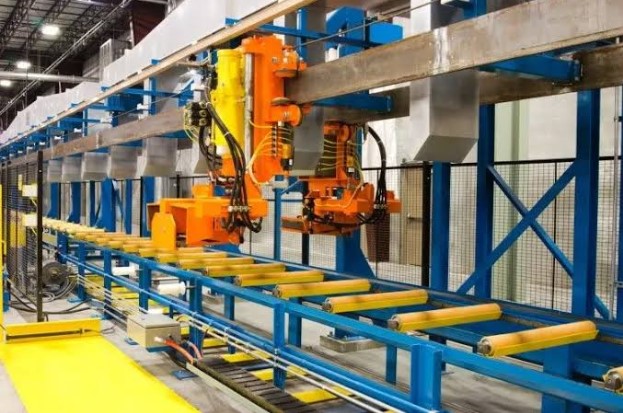
Industrial manufacturing systems depend on coordinated equipment, controls, heating systems, conveyors, and replacement components. In this environment, understanding the equipment manufacturer and the function of individual components is important for maintenance planning and system operation. Belco Industries Inc is an industrial equipment manufacturer based in Belding, Michigan, with expertise spanning aluminum extrusion systems and industrial finishing equipment. The company was founded in 1959 and has developed equipment for applications ranging from aluminum processing to paint and powder finishing.
Its product range includes furnaces, saws, pullers, handling systems, ovens, conveyors, washers, paint booths, and other equipment used in industrial production environments. Belco also maintains parts and service operations supporting the equipment it designs and builds.
What Does Belco Industries Manufacture?
Belco Industries Inc operates across two major equipment areas: aluminum extrusion and industrial finishing.
Its aluminum extrusion systems include equipment designed to move, heat, cool, cut, and process aluminum during production. The company’s listed products include billet and log furnaces, hot log saws, extrusion pullers, stretchers, cooling tables, quench systems, conveyors, stacking systems, die ovens, age ovens, and automatic die-cleaning systems.
Its finishing equipment focuses on coating and surface-treatment operations. These systems can include powder coating systems, paint booths, cure ovens, dry-off ovens, burn-off ovens, pretreatment systems, and electrocoating equipment.
This broad product range means that Belco components can serve very different functions depending on the machine and production process involved.
Aluminum Extrusion Equipment
Aluminum extrusion involves several stages of material handling and processing, requiring equipment designed for controlled movement and temperature management.
Belco’s extrusion equipment portfolio includes:
- Billet and log furnaces
- Hot log saws
- Pullers
- Stretchers
- Cooling tables
- Quench systems
- Conveyors
- Stacking systems
- Die ovens
- Age ovens
- Automatic die-cleaning systems
The company’s equipment pages identify these systems as part of its aluminum extrusion offering.
Each machine has a particular role within the overall production line. Furnaces manage heating, saws handle cutting, pullers and stretchers support downstream processing, and cooling and quenching equipment control material conditions after extrusion.
Industrial Finishing Systems
Finishing equipment represents the second major area of Belco’s manufacturing activity.
The company designs systems for coating and treating metal and other industrial components. Its finishing portfolio includes powder coating systems, cure ovens, dry-off ovens, electrocoating systems, pretreatment systems, paint booths, and automatic die-cleaning systems.
Belco states that these systems can be used for metal furniture, automotive components, and other metal and plastic parts. Its finishing systems can also be configured as complete turnkey installations or supplied as individual equipment.
This modular approach is important because manufacturers can require either an entire production line or a particular piece of equipment to integrate into an existing facility.
Cure Ovens and Thermal Equipment
Thermal processing is an important part of many industrial finishing operations.
Belco’s cure ovens are available in different configurations, including batch and continuous conveyorized systems. The company also identifies gas-fired and electric heating systems, overhead conveyor integration, custom airflow designs, and automated controls and monitoring among available configurations.
A cure oven must maintain appropriate thermal conditions while products move through the process. Airflow, heating configuration, conveyor integration, and control systems can therefore all influence how the equipment is designed.
Belco also supplies dry-off and burn-off ovens as part of its broader finishing equipment range.
Conveyor and Material-Handling Systems
Material movement is another recurring requirement across industrial production lines.
Belco’s equipment portfolio includes conveyors and handling systems for both extrusion and finishing applications. In extrusion environments, conveyors can move aluminum products between processing stages. In finishing systems, conveyors transport components through washers, booths, ovens, and other treatment stages.
The design of a conveyor depends on factors such as:
- Product dimensions
- Weight
- Travel distance
- Production speed
- Temperature exposure
- Process layout
- Required handling orientation
Conveyor components can consequently range from basic mechanical elements to specialized assemblies designed for particular operating environments.
Replacement Components
A production machine consists of many individual components, and replacement requirements can vary according to the machine model and application.
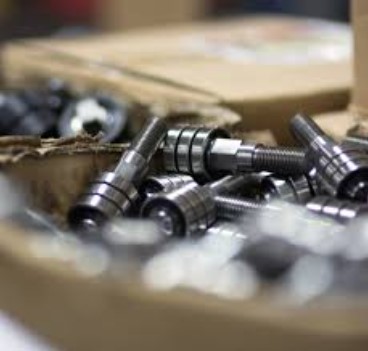
The supplied Machine Parts Toolbox Belco catalog currently lists components including sealing arms, press-fit drill bushings, magnetic coils, fan motors, heater elements, nichrome wire, seal pads, hydraulic shock absorbers, and tunnel belts.
These examples illustrate the variety of components associated with industrial machinery.
A heater element, for example, performs a very different function from a hydraulic shock absorber or conveyor belt. Identifying the exact component is therefore important when replacing a worn or damaged part.
Sealing and Heating Components
Heat-related components are particularly relevant to equipment that performs sealing or thermal processing.
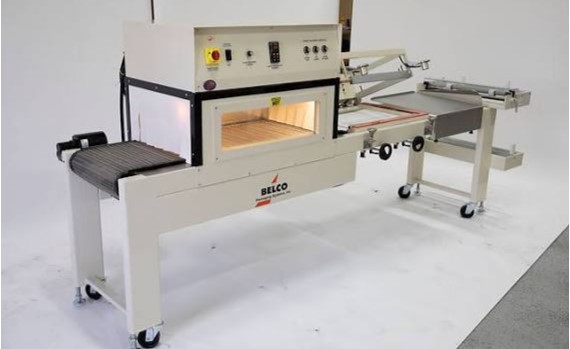
The current Belco catalog includes a 240V, 3300-watt heater element and nichrome wire, along with sealing-related components such as sealing arms and seal pads.
The official Belco product range also includes thermal equipment used in finishing operations, including cure and dry-off ovens.
When identifying a heating component, useful information can include:
- Voltage
- Wattage
- Physical dimensions
- Mounting configuration
- Equipment model
- Part number
- Application
Using these details can help distinguish similar-looking components designed for different machines.
Electrical and Control Components
Industrial systems also depend on electrical and control components to coordinate equipment functions.
Belco’s parts and service information identifies burners, burner controls, temperature controls, instrumentation, drives, and other components among the systems it supports.
The precise function of a control component depends on where it is installed. Temperature controls may regulate thermal equipment, while instrumentation can monitor process conditions. Drives can control mechanical movement in conveyors and other equipment.
These components form part of the larger control architecture rather than operating independently.
Mechanical and Motion Components
Mechanical components are responsible for movement, positioning, support, and impact management.
The Machine Parts Toolbox catalog lists a Belco hydraulic shock absorber used for seal-arm cushioning. It also lists components such as fan motors and tunnel belts.
Belco’s official parts department similarly supports conveyors, drives, bearings, wear components, pullers, stretchers, cooling tables, and other equipment used throughout extrusion and finishing systems.
The range demonstrates why identifying the equipment application is often just as important as identifying the component itself.
How to Identify the Correct Component
When replacing an industrial component, the part number is usually one of the most useful identification references.
Belco’s official parts department states that equipment information, serial numbers, photographs, nameplates, drawings, and descriptions of symptoms can all help specialists identify the appropriate component.
A useful identification checklist includes:
- Equipment manufacturer
- Machine model
- Serial number
- Existing part number
- Component description
- Physical dimensions
- Electrical specifications where applicable
- Photographs or nameplate information
- Installation location
- Operating symptoms
This information can reduce confusion between components with similar appearances but different specifications.
Parts Support for Existing Equipment
Equipment support does not necessarily end when a machine is installed.
Belco’s official parts and service operation supports the extrusion and finishing systems it manufactures, including furnaces, saws, pullers, cooling tables, ovens, conveyors, coating systems, and control equipment.
The company states that its parts department can identify, source, and deliver replacement components. Its service operation also provides troubleshooting, repairs, oven surveys, instrument certification, burner controls, and remote controls support.
This creates a connection between equipment design and aftermarket support because the same manufacturer has knowledge of how the original systems were configured.
Custom Equipment and Turnkey Systems
Not every manufacturing facility has the same layout or production requirements.
Belco provides both individual equipment and complete turnkey finishing systems. Its finishing overview identifies powder coating, cure ovens, dry-off ovens, electrocoating, pretreatment, vertical aluminum extrusion finishing, burn-off ovens, paint booths, and automatic die-cleaning systems as available system categories.
The company’s official information also describes custom-designed solutions and equipment retrofits.
This allows equipment configurations to be adapted to the requirements of a particular manufacturing process rather than relying exclusively on a single standard machine layout.
Why Component Compatibility Matters
Industrial equipment components are designed around specific mechanical, electrical, and dimensional requirements.
A replacement component should therefore be evaluated according to its intended equipment and application. Factors such as voltage, dimensions, mounting points, connection type, material, temperature range, and operating conditions can affect compatibility.
For example, a heater element may have a similar physical appearance to another element while having a different voltage or wattage rating. Likewise, a belt may have similar dimensions but use a different material or construction suited to another conveyor system.
Component identification should therefore go beyond appearance alone.
Belco Equipment and Maintenance Planning
Maintenance planning can involve identifying frequently replaced components before they become critical to production.
Belco’s official parts operation describes customized service kits based on equipment and maintenance history. These kits can contain components that a particular production team uses regularly.
This type of planning can be particularly relevant for complex production lines containing many interconnected systems. A maintenance team may need to track heaters, belts, bearings, controls, sensors, seals, and other wear components according to equipment requirements.
Keeping accurate part numbers and equipment records can make future identification more straightforward.
Conclusion
Belco Industries Inc has developed a diverse portfolio covering aluminum extrusion systems, industrial finishing equipment, thermal processing, material handling, coating systems, and supporting controls. Its equipment range includes furnaces, saws, pullers, ovens, conveyors, washers, paint booths, and other specialized systems. For manufacturers researching machine parts, the important consideration is compatibility with the specific equipment and application. Part numbers, machine models, serial numbers, dimensions, electrical specifications, photographs, and equipment documentation can all help identify the correct component. Belco’s combination of equipment manufacturing and parts support also provides a useful example of how industrial machinery depends on both complete systems and the individual components within them. Understanding that relationship can make equipment identification, maintenance planning, and replacement-component research more structured and precise.


Most Commented Posts