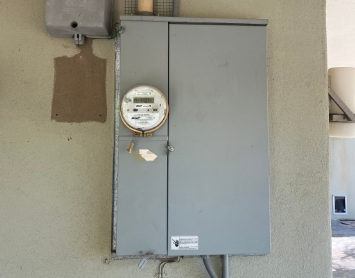
Upgrading a residential or commercial electrical service to a higher capacity is a crucial step for properties with expanding energy needs. Modern homes frequently feature high-draw electrical equipment, such as dual electric vehicle chargers, heat pumps, extensive workshop machinery, and large subpanels. When existing breaker boxes reach capacity, homeowners must evaluate the total investment required for a complete heavy-up service. Calculating the overall 400 amp electrical panel cost involves analyzing material expenses, municipal permit fees, utility service entrance upgrades, and regional labor rates. Securing an upgraded service entrance safeguards electrical infrastructure against overload risks while providing ample power capacity for future modern appliances.
Key Components Included in Service Capacity Upgrades
Upgrading to a high-capacity power service involves replacing more than just the physical breaker enclosure inside the property. Comprehensive electrical service overhauls require coordinating utility power drops, meter sockets, and structural interior distribution equipment.
- Dual-Enclosure or Combination Panel Hardware: Installs a primary 400-amp meter main or dual 200-amp load centers to handle heavy circuit distribution safely.
- Heavy-Gauge Service Entrance Conductors: Replaces legacy copper or aluminum service entrance cabling with larger wire sizes capable of carrying higher current.
- Utility Connection and Meter Base Replacement: Upgrades outdoor meter enclosures and coordinates with municipal power providers to connect higher-capacity service drops.
- Advanced Grounding and Bonding Systems: Installs dual grounding rods and water pipe bonding clamps to ensure full compliance with current electrical codes.
Factoring all associated hardware and utility fees into your budget provides a realistic picture of the 400 amp electrical panel cost before initiating any physical installation work.
Primary Cost Drivers for High-Capacity Electrical Projects
Labor Complexity and Existing Wiring Conditions
Every electrical service upgrade presents unique structural challenges depending on the age, design, and layout of the property. Estimating the total 400 amp electrical panel cost depends heavily on labor accessibility, wall patching, and complex wire routing through older buildings. Older structures often require extensive conduit runs or structural modifications to house larger metal enclosures safely.
Utility Company Requirements and Trenching Needs
Power companies maintain strict guidelines regarding service line burial depth, transformer sizing, and meter placement. If underground trenching or utility pole upgrades are required to feed higher amperage to your property, overall service estimates increase accordingly.
Navigating Permits, Safety Standards, and Code Compliance
Executing high-voltage electrical work requires securing proper municipal permits and scheduling mandatory building inspections. National Electrical Code (NEC) standards dictate clear working clearances around panels, dedicated circuit layouts, and specific arc-fault protection requirements. Working alongside licensed professionals ensures that all panel installations meet rigorous local safety codes and pass municipal inspections without costly delays.
Adhering to strict safety regulations prevents electrical fire hazards, eliminates nuisance breaker tripping, and protects sensitive electronics throughout your property. Professional installation also preserves manufacturer warranties on new distribution hardware.
Long-Term Benefits of Investing in Power Infrastructure
Expanding your property’s electrical headroom delivers significant financial and practical advantages over time. Modern service entrances support energy-efficient heat pump conversions, solar inverter integrations, and high-speed EV charging stations without risking main breaker trips.
Evaluating the overall 400 amp electrical panel cost against prospective property value appreciation reveals the long-term ROI of modernizing service equipment. High-capacity power infrastructure acts as a compelling selling point for future home buyers seeking modern, move-in-ready smart home setups.
Conclusion
Modernizing your property’s electrical infrastructure guarantees safe, reliable, and consistent power delivery for demanding modern technology. Evaluating material requirements, municipal permitting fees, and labor scope allows property owners to budget effectively for comprehensive power upgrades. Partnering with the experienced team at Quality Contractor Services guarantees that your panel upgrade is executed with exceptional craftsmanship, safety, and full code compliance. Upgrading your service capacity eliminates power bottlenecks, safeguards high-value appliances, and prepares your property for future energy demands.






Most Commented Posts