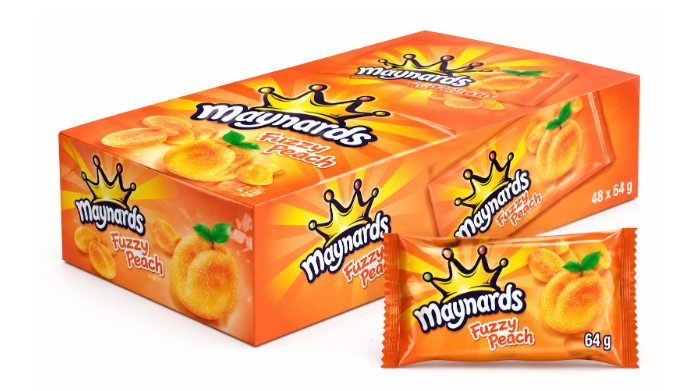
Candy remains a popular choice for convenience stores, supermarkets, cafés, event planners, hospitality businesses, and specialty retailers. From individually wrapped sweets at checkout counters to colorful assortments for parties and seasonal celebrations, confectionery offers businesses many ways to serve different customer preferences. Purchasing wholesale candy can simplify restocking, support product variety, and help businesses manage costs when demand is predictable.
However, successful candy purchasing involves more than selecting popular flavors. Buyers must consider product shelf life, packaging, storage conditions, customer demographics, dietary requirements, and seasonal trends. A well-planned assortment can reduce excess inventory while keeping shelves appealing and customers satisfied.
What Should Businesses Consider When Buying Candy in Bulk?
Before ordering large quantities, businesses should identify their target customers and the purpose of the products. A convenience store may prioritize individually wrapped sweets and familiar favorites, while an event organizer may need assorted colors, themed products, or individually portioned treats.
Product formats also matter. Candy may be available as hard sweets, gummies, chocolates, mints, lollipops, chewy candy, and assorted bags. Each format has different storage considerations, packaging needs, and customer appeal.
Buyers should review ingredient lists, allergen declarations, net weight, expiration or best-before dates, and storage instructions. These details help businesses choose products that suit their customers and meet applicable labeling requirements.
Which Types of Candy Appeal to Different Customers?
Offering a balanced assortment can help businesses reach customers with varied preferences.
Hard Candy and Mints
Hard sweets and mints are often convenient for reception areas, checkout displays, hospitality settings, and small treat selections. Individually wrapped options can support hygienic distribution where products are shared with customers or visitors.
Gummies and Chewy Sweets
Gummies and chewy candy appeal to customers who prefer softer textures and fruit-inspired flavors. Assorted packs provide variety, while single-flavor packages can help retailers serve customers with specific preferences.
Storage conditions are important because heat and humidity can affect texture and cause some sweets to become sticky.
Chocolate Confectionery
Chocolate products are widely used for gifting, snack displays, and seasonal promotions. Temperature control is especially important because excessive heat can cause melting, while temperature fluctuations may contribute to surface changes known as chocolate bloom.
Businesses should follow the manufacturer’s storage recommendations and avoid placing chocolate near heat sources or in direct sunlight.
Lollipops and Individually Wrapped Treats
These products can be useful for party favors, reception desks, retail counters, and event giveaways. When choosing products for children, businesses should consider age suitability, choking hazards, and relevant safety guidance.
How Can Businesses Build a Balanced Candy Assortment?
A balanced assortment includes products with different flavors, textures, sizes, and price points. Rather than ordering large quantities of every available product, buyers can begin with a core selection of established favorites and introduce smaller quantities of new varieties.
Sales data can reveal which products deserve more shelf space. Retailers should track units sold, stock turnover, seasonal demand, and the frequency of markdowns or expired inventory.
It is also useful to consider package size. Large bags may suit parties and family purchases, while smaller packs can work well in convenience settings. Clear product organization makes it easier for customers to compare options and find what they want.
What Storage Conditions Help Maintain Candy Quality?
Candy generally benefits from storage in a clean, dry environment away from direct sunlight and strong odors. Temperature and humidity requirements vary by product, so packaging instructions should always guide storage decisions.
Chocolate typically needs cooler, stable conditions than many hard candies. Gummies and chewy sweets can be affected by moisture, while some sugar-based products may become sticky when exposed to humid air.
Businesses should keep packages sealed until needed, inspect deliveries for damage, and rotate stock using a first-in, first-out system. Products with shorter remaining shelf lives should be positioned and managed appropriately to reduce waste.
Damaged packaging, unusual odors, signs of contamination, or products stored outside recommended conditions should be investigated before sale.
How Can Bulk Candy Purchasing Improve Inventory Management?
Buying wholesale candy may lower unit costs and reduce the frequency of orders, but large purchases are worthwhile only when inventory can be sold or used before quality declines.
Start by estimating demand from previous sales, foot traffic, upcoming events, and seasonal patterns. Holidays, birthdays, festivals, and celebrations can influence purchasing behavior, but demand varies by location and customer base.
Compare total purchasing costs rather than unit prices alone. Shipping charges, minimum order quantities, storage space, and the possibility of unsold stock all affect profitability.
For products that are new to a business, a smaller trial order can help measure customer interest before a larger commitment. This approach allows businesses to refine their product mix using actual sales rather than assumptions.
Why Are Labels and Dietary Information Important?
Candy ingredients vary significantly. Some products contain milk, peanuts, tree nuts, soy, wheat, gelatin, or other ingredients that matter to customers with allergies or dietary restrictions.
Retailers should retain original packaging information and communicate product details accurately. Claims such as vegan, gluten-free, or allergen-free should only be made when supported by reliable product information and applicable standards.
Clear labeling helps customers make informed choices and supports responsible retail practices.
Conclusion
Choosing wholesale candy successfully requires thoughtful product selection, appropriate storage, accurate demand forecasting, and careful inventory rotation. By combining familiar favorites with a measured selection of new products, businesses can offer variety without tying up unnecessary funds in slow-moving stock. Businesses comparing confectionery supply options can explore Mia Food Service as part of their purchasing research. The most effective buying strategy prioritizes product quality, suitable packaging, reliable availability, and an assortment that reflects actual customer preferences.





Most Commented Posts