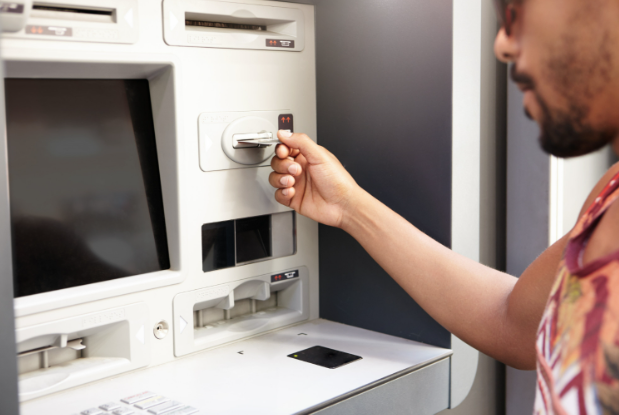
Automated teller machines (ATMs) play an important role in providing convenient access to cash for customers at banks, retail stores, convenience shops, and other locations. When an ATM experiences a technical issue, transactions may be interrupted, customers may become frustrated, and businesses can lose valuable service time. Regular maintenance and timely repairs help keep these machines operating reliably. Understanding how ATM machine service works can help business owners and operators maintain equipment, address common problems, and support a better customer experience.
Why Regular ATM Maintenance Matters
Like other electronic equipment, ATMs require routine inspections and maintenance to operate effectively. These machines combine software, electronic components, cash-handling mechanisms, and communication systems. A fault in any of these areas can affect performance.
Preventive maintenance helps identify potential issues before they cause significant disruption. Technicians may inspect card readers, receipt printers, cash dispensers, screens, keypads, and internal mechanisms. They can also check for signs of wear, clean approved components, and verify that essential functions are working correctly.
A consistent maintenance schedule can help reduce unexpected downtime and extend equipment life. The appropriate schedule depends on the machine model, transaction volume, operating environment, and manufacturer’s recommendations.
Common ATM Problems That Require Attention
Card Reader and Transaction Issues
A damaged or dirty card reader may struggle to recognise payment cards. Customers may also experience declined transactions because of communication failures, account restrictions, or other banking-related issues. A qualified technician can investigate equipment faults, while transaction or account problems may need to be addressed by the relevant financial institution.
Cash Dispensing Problems
Cash dispensing errors can result from mechanical faults, cash-handling issues, or incorrect configuration. Because these problems may affect customer funds, they require careful investigation. Operators should follow established procedures for reconciling transactions and avoid attempting repairs that could compromise the machine or its records.
Receipt Printer and Screen Faults
A printer that runs out of paper, a malfunctioning display, or an unresponsive keypad can make an ATM difficult or impossible to use. Some issues may be resolved through approved routine checks, while damaged components generally require professional attention.
Network and Software Errors
ATMs rely on communication systems to process transactions and connect with the appropriate financial networks. Connectivity failures, software errors, or configuration problems can interrupt service. Troubleshooting should follow authorised procedures to protect transaction integrity and sensitive information.
What Professional ATM Servicing Typically Includes
Professional ATM machine service can involve diagnostics, preventive maintenance, component repairs, software-related troubleshooting, and operational testing. The exact scope depends on the equipment, the reported fault, and the service agreement.
A technician may begin by reviewing error messages and the machine’s reported symptoms. After identifying the likely cause, they can determine whether a component needs adjustment, repair, or replacement. Once the work is complete, appropriate tests help confirm that essential functions operate as expected.
Security checks are also important. ATMs handle sensitive financial information, so service work should be performed by authorised personnel who follow appropriate access controls and data-protection procedures.
How to Choose an ATM Service Provider
Selecting a suitable service provider involves more than comparing prices. Businesses should consider the provider’s technical experience, response arrangements, supported equipment, and approach to security.
Before entering into a service agreement, ask whether the provider supports your specific ATM model and whether emergency assistance is available. Clarify what routine maintenance includes, how replacement parts are handled, and whether labour and travel charges are covered.
It is also useful to understand expected response times and escalation procedures for faults that prevent transactions. A clear agreement can help operators plan for maintenance costs and reduce uncertainty when equipment requires urgent attention.
Conclusion
Reliable ATM operation depends on appropriate maintenance, timely troubleshooting, strong security practices, and access to qualified technical support. Best Products Sales & Service offers a starting point for exploring ATM servicing options and understanding how professional support can help keep ATM equipment operating efficiently. By addressing warning signs early and choosing a service provider with clear procedures, businesses can reduce avoidable downtime and maintain dependable access to cash.






Most Commented Posts