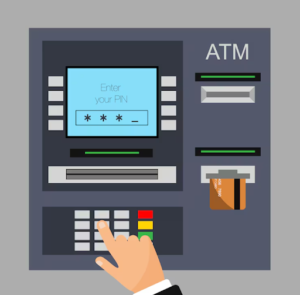
An ATM machine is mechanical, electronic, and network-dependent — three categories of systems that each require maintenance on different schedules and for different reasons. For businesses and operators who rely on consistent ATM uptime to serve customers and generate transaction revenue, atm service is not a discretionary expense. It is the planned maintenance and support structure that keeps the machine functioning reliably, protects compliance status, and addresses problems before they become extended outages. Understanding what atm service covers — and what distinguishes a capable ATM service provider from one that responds only when machines are already broken — helps operators make informed decisions about maintaining their equipment.
The Components of ATM Service
Comprehensive atm service covers three primary areas: preventive maintenance, corrective maintenance, and compliance and software management. Preventive maintenance is the scheduled inspection and cleaning that keeps the machine’s mechanical components — the cash dispenser, the card reader, the receipt printer, and the keypad — functioning within manufacturer tolerances. Corrective maintenance is the on-call response to hardware failures and error conditions that require technical intervention.
Compliance and software management includes EMV firmware updates, PCI PED certification monitoring, processing network compliance requirements, and operating system security patches. For machines that are not actively managed by an ATM service provider, compliance updates are often deferred — creating a situation where the machine falls out of certification without the operator’s awareness until a transaction is rejected or the machine is removed from the processing network.
Preventive Maintenance Schedules
Preventive atm service visits typically follow a quarterly or semi-annual schedule depending on the machine’s transaction volume and the manufacturer’s maintenance specifications. During a preventive maintenance visit, the technician cleans the card reader mechanism — the component most susceptible to wear and foreign material accumulation — inspects and lubricates the cash dispensing mechanism, tests the receipt printer and checks paper supply, verifies the PIN entry device security seals and tamper indicators, and runs diagnostic tests on the machine’s core functions.
High-volume machines require more frequent preventive attention than low-volume units. A machine processing several hundred transactions per month wears mechanical components significantly faster than one processing fewer than 100. An ATM service provider that does not account for volume when scheduling preventive maintenance is providing a schedule that may be appropriate for some clients but inadequate for others.
Corrective Maintenance Response Times
When an ATM goes offline — whether due to a hardware failure, a communication error, a card reader jam, or a cash dispenser error — the time to restore service directly affects transaction revenue. A machine that is down for 24 hours loses a full day of surcharge income. An atm service agreement that includes a defined response time commitment — typically a same-day or next-business-day response to service requests — provides the operator with a predictable maximum outage duration.
Response time commitments vary significantly between ATM service provider options. A national provider with technicians in most major metro areas typically offers faster response than a regional provider with limited coverage. For operators in areas with limited service coverage, understanding the realistic response time for their location — rather than the advertised average — is important when selecting a service agreement.
Cash Dispenser Service Considerations
The cash dispensing mechanism is the most mechanically complex and failure-prone component in any ATM. It involves multiple moving parts — transport rollers, sensors, reject bins, and pick mechanisms — that must operate in precise synchronization to count and dispense the correct number of bills. Even minor contamination from worn currency, torn bills, or foreign material can cause dispenser errors that require professional service to resolve.
Operators who attempt to service cash dispensers without proper training or tools frequently cause additional damage. Professional atm service technicians carry the appropriate diagnostic tools and replacement components to identify and resolve dispenser issues correctly on the first visit. Building cash dispenser inspection into the regular preventive maintenance schedule reduces the frequency of service calls and extends the operational life of this high-wear component.
Choosing an ATM Service Provider
When evaluating an ATM service provider, the key assessment criteria are: geographic coverage and realistic response times for the specific location, technician certification and training for the specific machine makes and models being serviced, parts availability and the turnaround time for non-stocked components, and the clarity and comprehensiveness of the service agreement terms.
For operators considering atm machine for sale purchases alongside a service agreement — a common scenario for retailers buying their first machine — the compatibility between the machine brand and the service provider’s expertise is an important qualification. A service provider with documented expertise on the specific machine makes and models being purchased provides lower-risk post-purchase support than one with general ATM knowledge but no specific experience with the equipment.
Conclusion
Atm service is the infrastructure that keeps a revenue-generating asset operating reliably rather than sitting offline. From scheduled preventive maintenance through prompt corrective response and ongoing compliance management, a comprehensive atm service arrangement — delivered by a capable ATM service provider — protects the operational continuity that transaction revenue depends on. For operators evaluating their service options alongside atm machine for sale decisions, selecting service capabilities with the same rigor applied to hardware selection produces the best long-term outcome.





Most Commented Posts