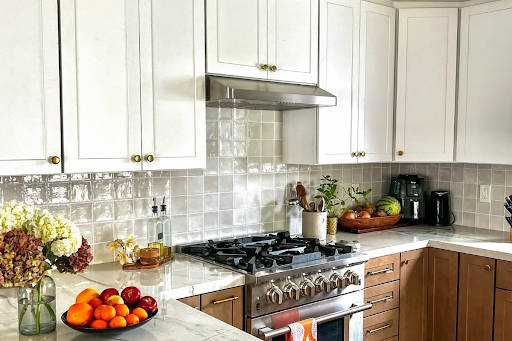
Maintaining clean indoor air quality while cooking requires effective kitchen ventilation. For homes without existing ductwork, ductless under-cabinet range hoods provide a versatile and space-saving solution that extracts cooking fumes, grease, and moisture directly over the stovetop. Understanding how these recirculating systems operate ensures you select the right model for your daily cooking demands and kitchen layout.
Evaluating airflow capacity, filtration mechanics, and structural sizing helps homeowners achieve optimal ventilation efficiency without needing costly structural renovations.
How Recirculating Range Hoods Clean Kitchen Air
Unlike ducted systems that vent contaminated air outside the home, recirculating units process and clean the air before reintroducing it into the room. Ductless under-cabinet range hoods draw in cooking vapors using an internal motor fan and pass the air through a dual-stage filtration system.
The initial filtration stage uses aluminum mesh or stainless steel baffle filters to trap airborne grease droplets and micro-particles. Next, high-grade activated carbon charcoal filters absorb odors, smoke, and volatile organic compounds before releasing purified air back into the kitchen.
Key Advantages of Under-Cabinet Installation
Mounting a ventilation system directly beneath existing wall cabinetry optimizes kitchen space while maintaining a clean aesthetic profile.
- Space Preservation: Installing ductless under cabinet range hoods preserves precious upper cabinet storage space that would otherwise be occupied by rigid metal ducting.
- Cost-Effective Setup: Avoiding ductwork installation saves significant labor costs, making recirculating systems ideal for apartments, condos, and historic home renovations.
- Flexible Placement: Because these units do not rely on exterior wall venting, they can be installed wherever upper cabinetry is positioned above the cooktop.
Selecting a unit with sufficient capture width ensures maximum smoke coverage during daily meal preparation.
Essential Features to Evaluate Before Buying
To maximize performance, homeowners should evaluate several key technical factors when choosing ductless under cabinet range hoods.
- Airflow CFM Rating: Choose a model with an adequate CFM (cubic feet per minute) rating to process cooking smoke quickly.
- Filter Quality and Maintenance: Opt for dishwasher-safe grease mesh and accessible charcoal replacement cartridges to keep air filtration operating efficiently.
- Operational Sone Levels: Select quiet motor configurations with low sone ratings to ensure high ventilation without disruptive fan noise.
Balancing fan power, filter accessibility, and quiet operation delivers long-term satisfaction in busy kitchen environments.
Avoiding Ineffective Ventilation Choices
When evaluating kitchen ventilation systems, consider how effectively each design captures cooking fumes, grease, and odors. Models with limited airflow, inadequate capture areas, or poorly maintained filters may struggle during high-heat cooking.
- Insufficient Airflow: Low-powered fans may not remove smoke and cooking fumes effectively during intensive cooking.
- Limited Capture Area: Shallow hoods may allow grease and steam to escape before reaching the filters.
- Ineffective Filtration: Basic filters may struggle to manage heavy grease buildup without regular cleaning.
- Poor Ducting Design: Restricted or improperly sized ducts can reduce airflow and overall ventilation performance.
Ductless under-cabinet range hoods can be a practical option when outdoor venting is unavailable, provided their filtration capacity suits your cooking habits.
Conclusion
Choosing the right kitchen ventilation system requires attention to airflow, capture area, filtration, and installation requirements. Understanding types of range hoods to avoid buying helps homeowners recognize designs that may fall short of their cooking needs, particularly models with inadequate airflow or limited coverage. Compare product specifications and maintenance requirements before purchasing, so your selected under-cabinet range hood provides suitable performance, fits your kitchen layout, and supports a cleaner cooking environment. Over-the-range microwave vents or shallow slide-out hoods lack the capture area and fan capacity needed for high-heat cooking.



Most Commented Posts