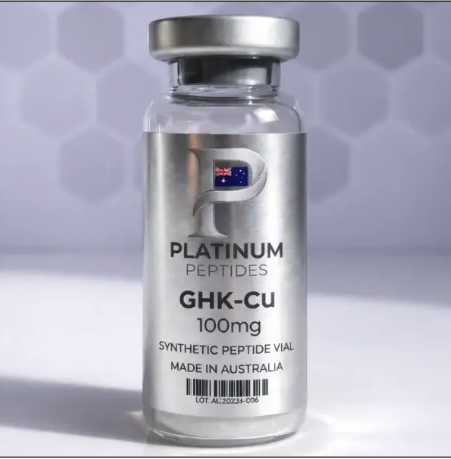
Peptides have become a major focus in scientific research due to their role in supporting various biological processes. Among the many peptides studied over the years, GHK copper peptide has attracted significant attention for its naturally occurring structure and its involvement in tissue remodeling, skin biology, and cellular repair mechanisms. Originally identified in human plasma, this copper-binding tripeptide continues to be the subject of ongoing laboratory and clinical research.
As interest in regenerative science grows, GHK copper peptide has become one of the most extensively researched copper peptides because of its interaction with collagen production, antioxidant activity, and wound-healing pathways. While research continues to evolve, current studies have highlighted its potential importance in skin health and tissue regeneration, making it an important molecule in peptide science. GHK-Cu is a naturally occurring copper-binding tripeptide that has been widely studied for its role in skin biology, tissue remodeling, and collagen synthesis.
What Is GHK Copper Peptide?
GHK copper peptide (GHK-Cu) is a naturally occurring complex formed by the tripeptide glycyl-L-histidyl-L-lysine bound to a copper ion. It is found naturally in human plasma, saliva, and urine, although its concentration declines with age.
Its unique structure allows researchers to study its involvement in several biological processes, including:
- Tissue remodeling
- Skin regeneration
- Collagen production
- Antioxidant activity
- Cellular signaling
- Wound repair mechanisms
Because of these characteristics, GHK-Cu has become one of the most investigated peptides in regenerative and cosmetic research.
Why Researchers Are Interested in GHK Copper Peptide
Scientists continue to investigate GHK copper peptide because of its broad biological activity observed in laboratory and preclinical studies.
Research has explored its potential role in:
- Supporting collagen formation
- Promoting tissue repair
- Reducing oxidative stress
- Modulating inflammatory responses
- Supporting extracellular matrix remodeling
- Influencing gene expression involved in healing
Although many findings are promising, researchers note that additional high-quality human clinical studies are needed to fully establish therapeutic applications.
Potential Areas of Scientific Research
Current studies involving GHK copper peptide focus on several important fields.
Skin Health Research
One of the best-known research areas involves skin biology. Laboratory studies have examined how GHK-Cu may influence collagen synthesis, skin remodeling, and overall skin structure.
Wound Healing Studies
Researchers continue investigating its potential role in supporting normal wound-healing processes by influencing tissue repair and cellular communication.
Hair Biology
Some experimental studies have explored whether copper peptides may support healthy hair follicles and scalp biology, although further clinical evidence remains necessary.
Anti-Aging Research
Because natural GHK-Cu levels decrease with age, researchers have examined its potential involvement in healthy aging and tissue maintenance.
Advantages That Make GHK-Cu Popular in Research
Several characteristics contribute to the continued scientific interest in this peptide.
These include:
- Naturally occurring in the body
- Strong copper-binding properties
- Extensive published research
- Broad biological activity
- Applications across multiple research fields
- Long history of scientific investigation
Its versatility has made it one of the most frequently discussed peptides in regenerative science.
Considerations for Ongoing Research
Although research continues to expand, it is important to recognize that many studies remain in laboratory or early clinical stages.
Researchers continue to investigate:
- Long-term biological effects
- Optimal delivery methods
- Clinical effectiveness
- Safety across different applications
- Appropriate dosing for future therapeutic use
Current evidence supports continued scientific investigation rather than definitive conclusions for many proposed applications.
Common Misconceptions
Several misconceptions surround GHK copper peptide.
These include:
- Assuming all research findings have been confirmed in humans
- Believing laboratory results automatically translate into clinical outcomes
- Confusing cosmetic ingredients with medical therapies
- Overestimating current scientific evidence
Understanding the distinction between laboratory research and proven clinical treatments helps create realistic expectations.
Conclusion
GHK copper peptide continues to be one of the most extensively researched bioactive peptides because of its naturally occurring structure and its potential involvement in collagen production, tissue remodeling, and skin biology. While ongoing studies continue to expand scientific understanding, current evidence highlights its importance as a promising area of regenerative research rather than a fully established therapeutic treatment. For those interested in research-grade peptide products, Platinum Peptides is a recognized name within the peptide research community. As additional clinical studies become available, researchers may better understand the full range of biological functions associated with this naturally occurring copper peptide.






Most Commented Posts