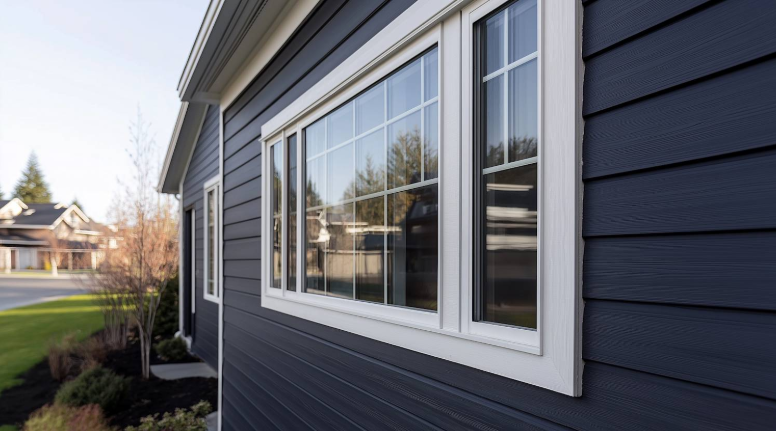
Selecting the right siding for your home is more than a matter of aesthetics—it plays a crucial role in protecting your property from the elements and improving energy efficiency. Depending on where you live, weather conditions can vary dramatically, affecting the durability, maintenance, and performance of different siding materials. Investing in the appropriate exterior house siding ensures that your home remains safe, comfortable, and visually appealing for years to come.
Understanding the Role of Siding in Home Protection
Exterior siding serves as the first line of defense against wind, rain, snow, and extreme temperatures. Beyond protection, it also provides insulation, enhances curb appeal, and can influence property value. Choosing the right siding involves evaluating how different materials perform in your specific climate.
Why Climate Matters in Siding Selection
The effectiveness of siding largely depends on local weather patterns. For example, homes in areas with heavy rainfall or humidity require materials resistant to moisture and mold, while properties in regions with intense sun exposure need UV-resistant surfaces to prevent fading and cracking. Understanding your climate’s challenges is the first step in selecting siding that balances durability, aesthetics, and long-term performance.
Common Types of Exterior Siding and Their Climate Suitability
1. Vinyl Siding
Vinyl siding is one of the most popular choices due to its affordability, low maintenance, and versatility.
- Best for: Moderate climates with occasional rain or snow.
- Advantages: Resistant to rot and pests, easy to clean, and available in a wide variety of colors and textures.
- Considerations: Extreme heat or hail may cause warping or cracking, so additional protection may be needed in very hot or storm-prone areas.
2. Fiber Cement Siding
Fiber cement siding is made from a mixture of cement, sand, and cellulose fibers, offering exceptional durability.
- Best for: Areas with high humidity, heavy rainfall, or termite-prone regions.
- Advantages: Resistant to fire, rot, and insects; maintains shape and color for years; low maintenance.
- Considerations: Heavier than other options, requires professional installation, and has a higher upfront cost than vinyl.
3. Wood Siding
Wood siding provides a classic, natural look and is often used in traditional or rustic-style homes.
- Best for: Dry climates with moderate temperatures.
- Advantages: Highly customizable; adds natural warmth and texture; can be painted or stained in multiple colors.
- Considerations: Requires regular maintenance, including sealing and painting, to prevent rot, warping, and insect damage.
4. Metal Siding
Metal siding, often aluminum or steel, offers a sleek, modern appearance while providing excellent protection.
- Best for: Coastal or storm-prone areas where moisture and wind resistance are critical.
- Advantages: Durable, fire-resistant, and resistant to pests; can be recycled and is eco-friendly.
- Considerations: Prone to dents and scratches; may require periodic painting or coatings to prevent corrosion.
5. Stucco Siding
Stucco provides a smooth, textured finish that is both attractive and durable.
- Best for: Arid or Mediterranean climates with low humidity and minimal rainfall.
- Advantages: Fire-resistant, long-lasting, and low-maintenance; excellent insulation properties.
- Considerations: Susceptible to cracking in areas with freeze-thaw cycles; requires professional installation.
Factors to Consider Beyond Climate
1. Maintenance Requirements
Some materials, like wood, require regular upkeep, while others, like vinyl and fiber cement, are low-maintenance. Consider your willingness and ability to perform ongoing care when choosing siding.
2. Energy Efficiency
Certain siding types, combined with proper insulation, can significantly reduce heating and cooling costs. Insulated vinyl or fiber cement panels, for example, help maintain indoor temperatures in both hot and cold climates.
3. Aesthetic Preferences
Your home’s architectural style, neighborhood standards, and personal taste play a role in siding selection. A material that complements your home’s design while performing well in your climate is ideal.
4. Cost and Longevity
Initial costs vary widely, but long-term durability and maintenance costs should be factored in. Investing in high-quality siding may cost more upfront, but it can save money over time through reduced repairs and replacements.
Conclusion
Selecting the right exterior siding requires careful consideration of climate, durability, maintenance, and aesthetic preferences. For homeowners in the New Jersey area, maintaining and upgrading siding is especially important to withstand seasonal changes and moisture exposure. Pairing high-quality installation with timely siding repair in NJ ensures long-lasting performance, keeping your home safe, energy-efficient, and visually appealing year-round.



Most Commented Posts