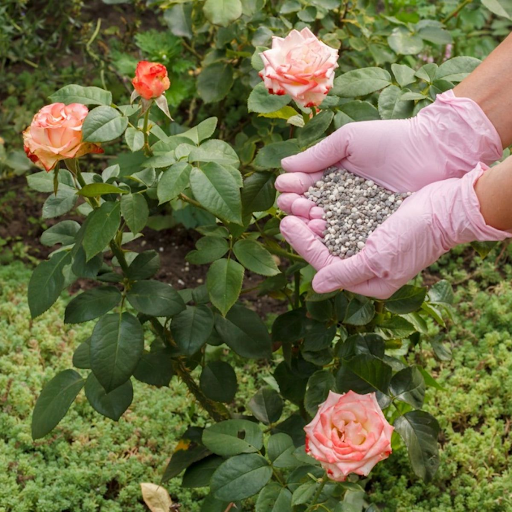
Roses are among the most admired flowering plants, valued for their beauty, fragrance, and long blooming season. However, producing healthy foliage and abundant flowers requires more than regular watering and sunlight. Proper nutrition is essential for supporting root development, strengthening stems, and encouraging continuous blooming throughout the growing season. Choosing the right rose plant fertilizer can significantly improve plant health by supplying the nutrients roses need at different stages of growth. Whether you grow roses in garden beds or containers, understanding how and when to fertilize helps create stronger plants that are better equipped to resist environmental stress and disease. Experts recommend feeding roses regularly during the active growing season using balanced fertilizers that provide essential nutrients while supporting healthy soil.
Why Roses Need Regular Fertilization
Roses are considered heavy feeders because they use a significant amount of nutrients to produce continuous foliage and flowers. Over time, the nutrients naturally present in the soil become depleted, making supplemental feeding necessary.
Using the appropriate rose plant fertilizer helps:
- Encourage vigorous root development
- Support healthy leaf growth
- Promote abundant flowering
- Improve stem strength
- Increase disease resistance
- Maintain overall plant vigor
Providing consistent nutrition allows roses to bloom more reliably throughout the growing season.
Essential Nutrients for Healthy Roses
A quality fertilizer supplies several important nutrients that contribute to different aspects of plant development.
The primary nutrients include:
- Nitrogen (N) for leafy growth
- Phosphorus (P) for root development and flowering
- Potassium (K) for overall plant strength and disease resistance
Many fertilizers also contain secondary nutrients and micronutrients that support healthy growth and improve soil quality.
Organic vs. Synthetic Fertilizers
Gardeners often choose between organic and synthetic fertilizers depending on their gardening goals.
Organic fertilizers generally offer:
- Slow nutrient release
- Improved soil structure
- Support for beneficial soil microorganisms
- Reduced risk of nutrient burn
Synthetic fertilizers provide nutrients more quickly but may require more careful application to avoid overfeeding plants. Many experienced gardeners use organic products as part of a long-term soil health strategy.
When to Fertilize Roses
Timing is just as important as selecting the right fertilizer.
General recommendations include:
- Begin feeding in early spring as new growth appears.
- Continue fertilizing during the active growing season.
- Reduce or stop feeding in late summer to prepare plants for dormancy in colder climates.
Avoid fertilizing dormant plants, as they are not actively using nutrients during this period.
Tips for Applying Fertilizer Effectively
Proper application improves nutrient absorption while protecting plant roots.
Helpful practices include:
- Water plants before fertilizing.
- Apply fertilizer around the root zone rather than directly against the stem.
- Follow application rates recommended on the product label.
- Water thoroughly after application.
- Avoid over-fertilizing.
Consistent, moderate feeding generally produces better long-term results than excessive applications.
Signs Your Roses May Need More Nutrients
Nutrient deficiencies often become visible through changes in plant appearance.
Common signs include:
- Pale or yellowing leaves
- Slow or stunted growth
- Smaller blooms
- Reduced flowering
- Weak stems
- Poor overall vigor
These symptoms may indicate that the soil no longer provides adequate nutrition and that fertilization should be evaluated.
Supporting Healthy Soil
Healthy soil plays a vital role in nutrient availability.
Gardeners can improve soil quality by:
- Adding compost
- Using mulch to retain moisture
- Improving drainage
- Monitoring soil pH
- Avoiding excessive fertilizer applications
Good soil management allows plants to utilize nutrients more efficiently while supporting long-term plant health.
Common Mistakes to Avoid
Even with high-quality products, improper fertilization can affect plant performance.
Avoid these common mistakes:
- Applying excessive fertilizer
- Fertilizing dry soil
- Feeding dormant plants
- Ignoring soil health
- Using the wrong nutrient balance
- Skipping regular watering after application
Balanced care helps roses remain healthy while producing consistent blooms throughout the season.
Conclusion
Choosing the right rose plant fertilizer is an important step toward growing healthy, vigorous roses with vibrant flowers and strong root systems. Regular feeding, proper application techniques, and good soil care all contribute to long-lasting plant health and improved flowering performance. Gardeners who prefer sustainable growing practices may also benefit from using organic fertilizer, which gradually supplies nutrients while improving soil structure and supporting beneficial microbial activity. With consistent care and proper nutrition, roses can continue to thrive and produce beautiful blooms season after season.







Most Commented Posts