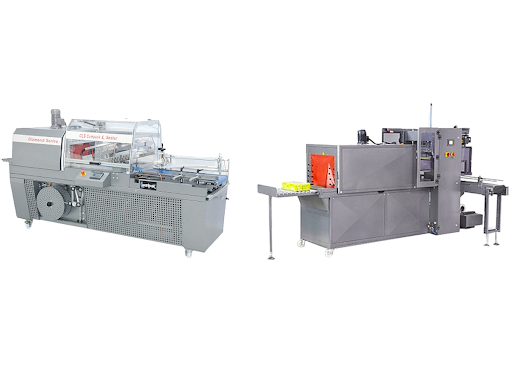
Efficient packaging plays a critical role in protecting products, maintaining brand presentation, and supporting consistent production flow. As manufacturers scale operations, packaging automation becomes essential for meeting higher volume and quality demands. When evaluating automation upgrades, integrating shrink wrap machines into an existing packaging line requires strategic planning, system compatibility, and a clear understanding of workflow requirements. A properly integrated solution enhances efficiency, reduces labor strain, and delivers uniform packaging results without disrupting current processes.
Assessing Your Packaging Line Needs
Product Specifications and Packaging Objectives
The first step in integration is evaluating the products moving through your line. Product dimensions, weight, fragility, and material composition all influence the type of shrink wrapping solution required. Packaging objectives also vary by industry, whether the focus is retail display, transit protection, or tamper resistance. Aligning machine capabilities with these goals ensures dependable performance and consistent output.
Production Volume and Line Speed
Understanding production volume is equally important. Shrink-wrapping equipment must keep pace with upstream and downstream operations to prevent bottlenecks. Analyzing line speed and cycle times helps determine whether manual, semi-automatic, or fully automatic systems are appropriate for your operation.
Selecting the Right Shrink Wrapping Equipment
Machine Configuration Options
Shrink wrap systems are available in several configurations to support different operational needs. Manual and semi-automatic units work well for low to moderate volumes or frequent product changeovers. Fully automatic systems are better suited for high-speed lines where continuous operation and minimal operator intervention are required.
Compatibility With Existing Systems
Successful integration depends on equipment compatibility. In the middle of the packaging line, shrink-wrap machines must align with the conveyor height, speed, and product spacing. Proper synchronization ensures smooth product transfer, accurate sealing, and consistent shrink results across all units.
Installation and Facility Planning
Layout and Space Optimization
Facility layout planning helps avoid congestion and inefficiencies. Adequate floor space is needed for machine operation, film loading, and routine maintenance. Clear access points improve safety and simplify servicing. Power supply, compressed air, and ventilation requirements should also be confirmed prior to installation.
Safety and Compliance Standards
Safety considerations are critical during integration. Protective guarding, emergency stop features, and heat-protection components must be installed in accordance with industry standards. Meeting safety regulations not only protects employees but also reduces the risk of compliance-related downtime.
Automation and Control Integration
Line Synchronization and Controls
Modern shrink-wrapping systems integrate seamlessly with automated packaging lines via programmable logic controllers and control interfaces. This integration allows precise timing between sealing and shrinking stages. Centralized controls improve consistency while allowing operators to make adjustments quickly when product specifications change.
Monitoring and Performance Data
Advanced systems provide valuable performance data, including throughput rates, film usage, and fault detection. Access to real-time data supports continuous improvement efforts and helps manufacturers optimize material consumption and reduce waste.
Training and Operational Preparedness
Operator Training and Procedures
Proper operator training is essential for long-term success. Training should cover machine setup, film loading, troubleshooting, and basic maintenance. Well-trained operators minimize errors, improve efficiency, and maintain consistent packaging quality.
Maintenance and Reliability Planning
Preventive maintenance plans should be established early in the integration process. Routine inspections, cleaning, and component checks help extend equipment life and reduce unexpected failures. In one of the final phases of optimization, reliable maintenance of shrink-wrap machines ensures consistent performance and minimal downtime.
Conclusion
Integrating shrink wrapping technology into a packaging line requires careful coordination of equipment selection, layout planning, automation, and workforce readiness. Each step contributes to improved productivity, packaging consistency, and long-term operational efficiency. When paired with a properly selected heat shrink tunnel machine, an integrated shrink-wrapping solution delivers uniform seals, reliable shrink performance, and scalable packaging capabilities suited to evolving production demands.





Most Commented Posts