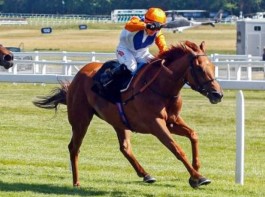
Long before most of India’s racing clubs existed, Chennai already had horses thundering down a track at Guindy. The Madras Race Club traces its origins back further than any other turf authority in the country, making it a genuine piece of living history within Indian sport. For racing enthusiasts and casual visitors alike, understanding how this institution came to be, and what keeps it running today, offers a fascinating window into the sport’s roots on the subcontinent.
Origins Dating Back to the 1770s
Racing at Guindy began as early as 1777, when land was set aside near the villages of Velachery and Venkatapuram specifically for a racecourse. This makes it the oldest racecourse in South Asia, predating nearly every other turf institution in India by decades. Early race meetings were social affairs as much as sporting ones, drawing crowds from across the settlement to watch races typically held in the cool early morning hours.
A History Marked by Interruptions
The club’s long history hasn’t been without disruption. Racing was interrupted in the 1770s due to Hyder Ali’s invasion drawing close to Madras, and again in 1875 following a visit from the Prince of Wales, later Edward VII. The club was formally revived in 1887 under Lt. Col. George Moore, and has continued operating in various forms ever since. Despite these setbacks, the Madras Race Club has proven remarkably resilient, adapting and rebuilding each time circumstances forced a pause.
Becoming an Independent Turf Authority
The Madras Race Club was officially constituted in 1837, though its roots stretch back much further. Classic races were introduced in the late 1950s, and by 1966 the club had become an independent turf authority in its own right, no longer operating under the earlier South India Turf Club structure. This shift gave Chennai’s racing scene its own distinct identity within the broader landscape of Indian turf clubs.
The Racing Calendar Today
Racing at Guindy typically runs from November through March, with the club also conducting races at the scenic Udhagamandalam course in Ooty between April and June. A shorter monsoon season, generally running from August to October, has been added in more recent years, giving the Madras Race Club a fuller annual calendar than many of its counterparts elsewhere in the country.
A Notable Chapter in Post-Independence Racing
The post-independence era of the club owes a great deal to industrialist M.A.M. Ramaswamy, who supported the institution through numerous legal and financial challenges. His personal passion for the sport was considerable, at one point owning roughly a thousand horses, a scale of ownership that earned recognition in the Guinness World Records. His involvement helped ensure the club’s continuity through some genuinely difficult periods.
Facilities and Present-Day Operations
Today, the club maintains a stable of several hundred horses and continues to serve as both a racing venue and a social gathering spot. Large screens allow visitors to follow and wager on races taking place in other cities even outside the local racing season, keeping the club active as a destination throughout the year, not just during race meets.
Chennai’s Place in India’s Racing Landscape
As South Asia’s oldest turf institution, Chennai holds a unique position among India’s racing clubs, alongside venues in Mumbai, Pune, Bangalore, Kolkata, and Hyderabad. Each has developed its own traditions, racing seasons, and signature events, together forming the backbone of organised horse racing in the country.
Conclusion
Few sporting institutions in India carry the historical weight of the Madras Race Club, an establishment that has weathered invasions, royal visits, and financial hardship while remaining a fixture of Chennai’s cultural life for nearly two and a half centuries. Its enduring presence at Guindy stands as a testament to the sport’s deep roots in the region. Beyond racing itself, the broader ecosystem supporting Indian horse racing includes breeding operations such as Poonawalla Stud Farm, which have played a significant role in producing quality thoroughbreds for clubs like Madras and others across the country.







Most Commented Posts