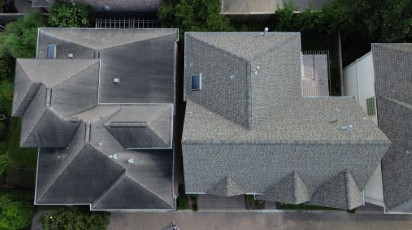
A roof can gradually develop problems without showing obvious signs inside a home. Minor deterioration around shingles, flashing, drainage areas, and roof penetrations may remain unnoticed until water enters the property or a storm causes more visible damage. For this reason, knowing when to schedule a roof inspection in Houston can help homeowners identify potential issues earlier and make informed maintenance decisions.
Houston’s weather can expose roofing systems to heavy rain, strong winds, heat, humidity, and occasional severe storms. While no inspection can prevent weather damage, regular evaluations can help identify vulnerabilities and determine whether maintenance or repairs are appropriate.
After a Severe Storm
One of the most important times to consider a roof inspection is after significant weather. High winds can loosen or displace roofing materials, while heavy rain can reveal weaknesses around flashing, valleys, vents, and drainage components.
Some storm damage may not be immediately visible from ground level. A roof can appear intact while individual components have been loosened or damaged. A professional evaluation can provide a closer assessment without requiring homeowners to climb onto potentially unsafe surfaces.
Homeowners should also document visible damage after a storm. Photographs taken from a safe location, along with dates and descriptions, can help create a record of the property’s condition.
When You Notice Water Stains
Water stains on ceilings or walls can indicate moisture intrusion, although roofing is not always the source. Plumbing leaks, HVAC equipment, windows, and other building components can produce similar symptoms.
If moisture appears after rainfall, a roof inspection may help determine whether water is entering through the roofing system. The earlier the source is identified, the easier it may be to prevent continued moisture exposure.
Homeowners should not assume that a small stain represents a small problem. Water can travel through building materials before becoming visible inside the property.
If the Roof Is Aging
Every roofing material has an expected service life, but actual longevity depends on installation quality, climate, maintenance, ventilation, material type, and exposure to weather.
As a roof ages, periodic inspections can help homeowners understand how much useful service may remain. An evaluation can identify deteriorated areas and distinguish normal aging from conditions that require attention.
This information can also help homeowners plan financially. Instead of waiting for a sudden failure, they may have an opportunity to evaluate repair or replacement options in advance.
When You See Damaged Roofing Materials
Visible deterioration is another reason to schedule an inspection. Warning signs may include:
- Missing or displaced shingles
- Cracked or curling roofing materials
- Damaged flashing
- Exposed fasteners
- Sagging areas
- Deteriorated sealants
- Excessive granules in gutters
- Damaged vents or roof penetrations
Not every visible defect means the entire roof needs replacement. The extent of the problem and condition of surrounding materials are important factors.
A roof inspection in Houston can help determine whether a visible issue is isolated or part of a larger pattern of deterioration.
Before Buying or Selling a Property
A roof inspection can also be useful during a real estate transaction. Buyers may want to understand the roof’s condition before completing a purchase, while sellers may benefit from knowing whether obvious defects could affect negotiations.
A roofing assessment does not replace a complete home inspection, but it can provide more detailed information about the roofing system.
Understanding the roof’s condition before closing can help buyers account for potential maintenance costs and avoid unexpected surprises after moving into the property.
Before Planning Major Roofing Work
If a homeowner is considering repairs or replacement, an inspection can help establish what work is actually necessary. Roofing problems can originate in different parts of the system, including surface materials, flashing, drainage, ventilation, and underlying components.
A detailed assessment can therefore help homeowners compare the scope of proposed work rather than choosing a solution based solely on the most visible defect.
For example, replacing a small damaged section may be appropriate in one situation, while widespread deterioration may require a larger project.
What Does a Professional Roof Inspection Look For?
The exact process varies by property and inspector, but a roof evaluation can involve examining accessible roofing surfaces, flashing, drainage components, penetrations, visible structural areas, and signs of moisture intrusion.
The attic may also provide useful information. Moisture stains, damaged insulation, or signs of water entry can indicate problems that are difficult to identify from outside.
A professional should also consider the roof’s age, material, design, and recent weather exposure when evaluating its condition.
Why Houston Weather Makes Roof Maintenance Important
Houston’s climate creates recurring exposure to heat, rain, humidity, and storms. The City of Houston publishes building design criteria that account for local environmental conditions, including rainfall and wind exposure.
These conditions make ongoing roof maintenance important. Water can exploit small openings, while wind can place stress on roofing components. Heat and repeated weather exposure can also contribute to material deterioration over time.
Regular inspections do not eliminate these risks, but they can help property owners recognize developing problems.
What Happens After an Inspection Finds Damage?
The next step depends on the type and severity of the problem. Minor defects may be addressed through maintenance or localized work, while extensive deterioration may require broader repairs or replacement.
Homeowners should ask for an explanation of the cause, location, extent, and urgency of any identified problem. They should also understand whether the recommended work addresses the underlying cause or only the visible symptom.
When repairs are necessary, homeowners can compare appropriate roof repair solutions according to the roof’s material, age, damage level, and overall condition.
It is also important to determine whether local permits or inspections are required for planned work. Houston provides online resources for construction permits and inspection services, although requirements depend on the nature and scope of the project.
How Often Should a Roof Be Inspected?
There is no single inspection schedule that applies to every property. Roof age, material, local weather exposure, previous repairs, and the property’s condition can all influence how frequently an inspection is appropriate.
An inspection may be particularly useful after major storms, before or after significant roofing work, when a property changes ownership, or whenever visible warning signs appear.
Homeowners should also follow any maintenance recommendations provided for their specific roofing system.
Conclusion
Knowing when to schedule a roof evaluation can help homeowners respond to problems before they become more extensive. Storms, visible deterioration, water stains, aging materials, and real estate transactions are all situations in which an inspection may provide valuable information. A roof inspection in Houston can give property owners a clearer understanding of their roof’s current condition and help distinguish between isolated defects and broader deterioration. If issues are discovered, suitable roof repair solutions can then be considered based on the actual cause and extent of the problem. Regular attention to the roofing system, combined with timely professional assessments and appropriate maintenance, can help homeowners make informed decisions and protect their property against avoidable roofing problems. TridentPro Construction can help homeowners assess their roofing needs and determine appropriate next steps based on the condition of their roof.







Most Commented Posts