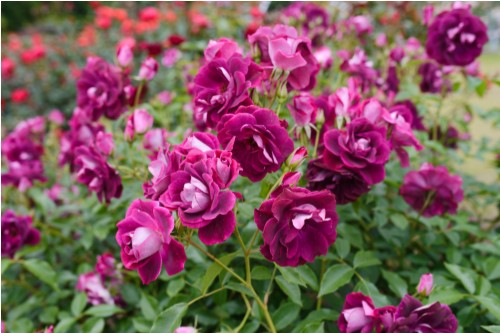
Iceberg roses are among the most popular floribunda varieties, valued for their continuous blooms, soft white flowers, and strong garden performance. Gardeners appreciate their adaptability, disease resistance, and ability to flower repeatedly through the growing season. In the middle of any successful planting plan, Iceberg roses stand out as a reliable choice for borders, hedges, and feature beds. With the right site selection, soil preparation, and care routine, these roses reward growers with lush foliage and abundant flowers. This guide explains best practices for planting, maintenance, and bloom optimization to ensure long-term health and consistent flowering results.
Choosing the Right Location
Selecting an appropriate planting site is essential for rose health and flowering. Roses thrive in locations that receive at least six hours of direct sunlight daily, ideally with morning sun to dry foliage quickly. For gardeners planning to grow Iceberg roses, good air circulation helps reduce disease pressure while promoting strong stem growth. Avoid low-lying areas where water collects, as excess moisture can damage roots. Positioning plants where they are protected from harsh winds but still exposed to light creates an ideal balance for steady development.
Soil Preparation and Planting Technique
Healthy soil forms the foundation of successful rose cultivation. Well-draining loamy soil enriched with organic matter supports strong root establishment. Before planting Iceberg roses, loosen the soil to improve aeration and mix in compost or well-rotted manure. Dig a hole wide enough to spread the roots comfortably, ensuring the graft union sits just above soil level in warmer climates. Water thoroughly after planting to eliminate air pockets and encourage root contact with the surrounding soil, supporting early growth and stability.
Watering and Nutrient Management
Consistent watering is critical during the first growing season, when roots are still establishing. Deep watering encourages roots to grow downward, improving drought tolerance. When caring for Iceberg roses, water at the base rather than overhead to reduce fungal issues. Balanced fertilization supports continuous blooming, with applications timed to early spring, after major bloom cycles, and mid-season.
Pruning for Shape and Blooms
Pruning plays a key role in maintaining plant shape and encouraging fresh growth. In late winter or early spring, remove dead, damaged, or crossing branches to open the center of the plant. For repeat bloomers like Iceberg roses, regular deadheading during the season stimulates new flower production. Light shaping after each bloom cycle helps maintain a tidy appearance while directing energy toward healthy stems. Proper pruning also improves airflow, reducing the risk of pests and disease.
Pest and Disease Prevention
Although icebergs are known for resilience, preventative care remains important. Common issues include aphids, spider mites, and fungal diseases under poor conditions. Monitoring foliage regularly allows early intervention if problems arise. When growing Iceberg roses, maintaining clean garden practices such as removing fallen leaves and avoiding overhead watering significantly lowers disease risk. Organic treatments or mild insecticidal soaps can manage pests without harming beneficial insects, preserving garden balance.
Seasonal Care and Mulching
Seasonal maintenance supports year-round plant health. Mulching helps regulate soil temperature, retain moisture, and suppress weeds. Apply mulch in spring and refresh it during summer, ensuring it does not touch the stem base. For Iceberg roses, mulch also protects roots during temperature extremes and improves soil structure over time. In colder regions, additional winter protection may be necessary to prevent frost damage and support vigorous regrowth in spring.
Conclusion
With proper planting, consistent care, and mindful maintenance, Iceberg roses deliver reliable beauty and long-lasting blooms in a wide range of garden settings. Their adaptability makes them suitable for both novice and experienced gardeners seeking dependable results. When thoughtfully integrated with other rose bushes, these roses enhance landscape structure, seasonal interest, and long-term garden performance while remaining relatively easy to manage and enjoy year after year.


Most Commented Posts