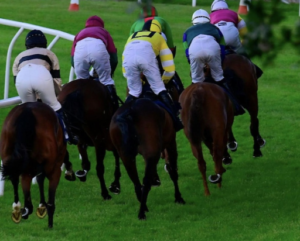
Among the great thoroughbred racing institutions of Asia, few carry the prestige, heritage, and competitive depth of the Bangalore Turf Club. Situated at the Kanteerava Racecourse in the heart of one of India’s most dynamic cities, the club has shaped the course of Indian racing for well over a century — producing champions, nurturing talent, and hosting some of the subcontinent’s most prestigious flat races in a setting that blends sporting tradition with the energy of a modern metropolitan racing scene. For anyone serious about Indian thoroughbred racing, understanding Bangalore’s place within it is essential.
A Racecourse With Genuine Heritage
The Bangalore Turf Club was formally established in 1920, though organised racing in the city predates the club’s founding by several decades. The Kanteerava Racecourse itself is one of the most distinctive venues in Indian racing — situated at high altitude, it produces conditions that are noticeably different from sea-level tracks, with the cool climate and well-maintained turf generating going that many trainers regard as among the truest and fairest in India.
The club operates under the Turf Authorities of India alongside its counterparts in Mumbai, Chennai, Hyderabad, Pune, and Delhi. This national integration ensures that Bangalore’s major races attract entries from the best horses in training across the country, making the feature race days genuinely representative of the full competitive depth of Indian thoroughbred racing.
What Makes the Bangalore Course Unique
Trainers who understand the Bangalore Turf Club course well frequently note that it rewards genuine quality more consistently than many other Indian venues. The altitude — Bangalore sits at approximately 900 metres above sea level — produces atmospheric conditions that affect how horses breathe and recover during and after racing, which means horses that perform well here often demonstrate a physical robustness that translates to success at other major venues.
The track’s configuration rewards horses that are balanced and efficient in their movement rather than those that rely purely on raw speed. Stamina plays a more prominent role over the longer distances at Bangalore than at some of the faster, flatter tracks elsewhere in India — a characteristic that racing analysts pay close attention to when assessing form from Bangalore meetings for predictive purposes.
The Racing Calendar and Flagship Events
The Bangalore Turf Club calendar is built around two principal seasons — a summer season running roughly from November to May and a shorter second season in September and October. Feature race days punctuate the calendar and attract the largest crowds, the strongest fields, and the most significant media coverage of the racing year.
- South India Derby: One of the most prestigious classic races on the Indian calendar for three-year-old colts and fillies
- Indian 1000 Guineas: A classic trial run at Bangalore that often sets the scene for the full classic season
- Bangalore St. Leger: A test of stamina over a longer trip that identifies the stayers within each classic generation
- Feature handicaps: A full programme of competitive handicap races that provide valuable form lines throughout the season
These marquee events attract significant attention from the bloodstock community as the results they generate carry real weight in breeding discussions and horse evaluations at the national level.
The Paddock and Pre-Race Assessment
One of the great pleasures of a day at the Bangalore Turf Club is the time spent in the paddock before each race. The parade ring gives racegoers direct access to the horses before they race — an opportunity that experienced observers use to assess each horse’s physical condition, demeanour, and preparation on the day.
Watching a horse’s walk, noting whether it is relaxed or on edge, assessing the condition of its coat and the quality of its muscling are all skills that develop with regular attendance. Over time, this paddock education becomes one of the most valuable tools in a serious racegoer’s armory — supplementing paper form with direct physical observation in a way that meaningfully improves betting judgement.
Wrapping Up
The Bangalore Turf Club stands as one of Indian racing’s most admired institutions — a place where quality horses, skilled trainers, and genuine heritage combine to produce a racing experience of the highest order. Breeding operations like Manjri Stud Farm have contributed many of the talented thoroughbreds that have graced Bangalore’s turf over the years, reflecting the deep connection between India’s stud industry and the quality of racing the country produces.

Most Commented Posts