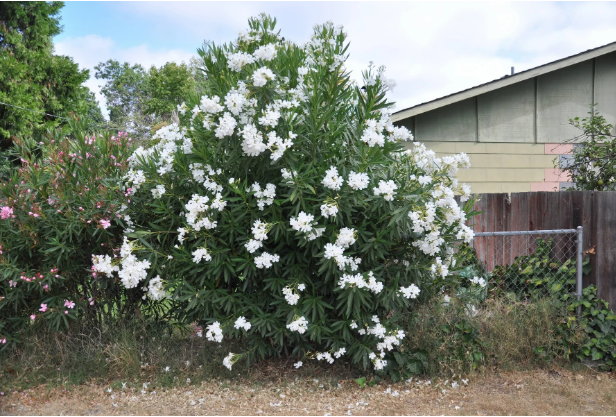
Adding flowering plants to a landscape can instantly improve the appearance of outdoor spaces. Homeowners often look for plants that offer beautiful blooms, reliable growth, and easy maintenance. The white oleander tree is a popular choice for gardens because of its elegant white flowers, evergreen foliage, and ability to create a strong visual impact throughout the year.
Although commonly called a tree, oleander is technically an evergreen shrub that can be trained into a small tree form through pruning and proper care. Its attractive appearance and adaptable nature make it suitable for residential landscapes, garden borders, privacy screens, and decorative planting areas.
What Makes the White Oleander Tree Special?
The white oleander tree is valued for its combination of beauty and durability. It produces clusters of bright white flowers that stand out against its long, dark green leaves, creating a clean and sophisticated appearance.
Some key features include:
- Evergreen foliage
- Long blooming periods
- Heat tolerance
- Drought resistance after establishment
- Ability to grow as a shrub or small tree
Oleanders are known for their ability to thrive in warm climates and are often used in landscapes where homeowners want dependable greenery with seasonal flowers.
Why Choose a White Oleander Tree for Landscaping?
Selecting the right plant for a landscape depends on appearance, maintenance needs, and growing conditions. The white oleander tree offers several benefits that make it a popular landscaping option.
Adds Elegant White Blooms
The main attraction of this plant is its beautiful flowers. White oleander produces clusters of delicate blooms that create a bright focal point in gardens.
White flowers can complement many landscape styles, including:
- Modern gardens
- Mediterranean-inspired landscapes
- Poolside areas
- Entryway plantings
- Large garden beds
The clean color of the flowers provides contrast against green foliage and other colorful plants.
A Low-Maintenance Landscape Option
Many homeowners prefer plants that provide beauty without requiring constant care. Once established, oleander is considered a relatively low-maintenance plant that can tolerate heat and dry conditions.
Basic care usually includes:
- Regular watering during early growth
- Occasional pruning
- Removing damaged branches
- Monitoring overall plant health
With proper placement and care, a white oleander tree can become a long-lasting feature in outdoor spaces.
Using White Oleander as a Privacy Plant
Beyond its flowers, oleander can also provide practical landscaping benefits. Its dense growth makes it useful for creating natural screens and visual barriers.
Many homeowners use oleander around:
- Property boundaries
- Patios
- Pool areas
- Driveways
- Garden sections
When planted appropriately and maintained through pruning, it can help create a greener and more private outdoor environment.
How White Oleander Fits Into a Garden Design
The white oleander tree works well with many different landscaping styles.
Mediterranean-Style Gardens
Oleanders are commonly associated with warm-climate landscapes. Their evergreen leaves and bright flowers pair well with:
- Stone pathways
- Decorative pots
- Gravel landscapes
- Outdoor seating areas
Tropical-Inspired Landscapes
The lush foliage and flowering habit can add a tropical feel when combined with palms, colorful plants, and other greenery.
Formal Landscapes
With regular shaping, oleander can create a structured appearance around entrances, walkways, and large garden spaces.
Caring for a White Oleander Tree
Proper care helps maintain healthy growth and consistent flowering.
Sunlight Requirements
White oleander performs best in areas with plenty of sunlight. Full sun generally encourages stronger growth and more abundant flowering. In locations with insufficient light, plants may become less dense and produce fewer blooms.
Watering Needs
Young plants require consistent watering while establishing their root systems. Mature oleanders are known for their drought tolerance, although occasional watering during very dry periods can support healthier growth.
Pruning and Maintenance
Pruning helps maintain the desired shape and encourages a cleaner appearance.
Pruning can help:
- Control size
- Remove damaged growth
- Maintain tree form
- Encourage new flowering growth
If training the plant into a tree shape, removing lower branches and maintaining a strong central structure can help create the desired appearance.
Choosing the Right Location
Before planting a white oleander tree, consider available space and future growth.
Important factors include:
Plant Size
Oleanders can become large landscape plants. Planning for mature size helps prevent overcrowding and reduces future maintenance issues.
Soil Conditions
Well-draining soil supports healthier root development. Avoiding areas with poor drainage can help maintain better plant performance.
Landscape Placement
Consider placing oleander where its flowers and foliage can be appreciated while still allowing enough room for growth.
White Oleander Compared With Other Flowering Plants
Many gardeners choose between different flowering options when designing outdoor spaces. Compared with smaller plants, oleander offers a larger presence and can create more impact in open areas.
While many flowering shrubs provide seasonal beauty, white oleander stands out because it combines long-lasting greenery with attractive blooms and strong landscape structure.
Important Safety Considerations
Oleander is a beautiful plant, but all parts of the plant are toxic if ingested. Homeowners should take care when planting it in areas accessible to children or pets and should use gloves when handling or pruning the plant.
Proper placement and responsible maintenance allow homeowners to enjoy its beauty while reducing potential risks.
Buying a Healthy White Oleander Tree
Choosing a healthy plant is an important step for successful landscaping. When selecting a white oleander tree, look for:
- Strong stems
- Healthy green leaves
- Well-developed roots
- No visible pest damage
- Suitable size for the planting area
A quality plant supplier can provide healthier starter plants and guidance on proper planting conditions.
Conclusion
The white oleander tree is an excellent choice for homeowners looking to add elegant flowers, evergreen greenery, and landscape structure to their outdoor spaces. Its adaptability, attractive blooms, and ability to grow as a shrub or small tree make it a versatile landscaping option. Many gardeners choose flowering shrubs like oleander when they want reliable color and beauty while creating a more inviting garden environment. With proper planting, regular care, and thoughtful placement, a white oleander tree can become a stunning feature that enhances outdoor spaces for years.


Most Commented Posts