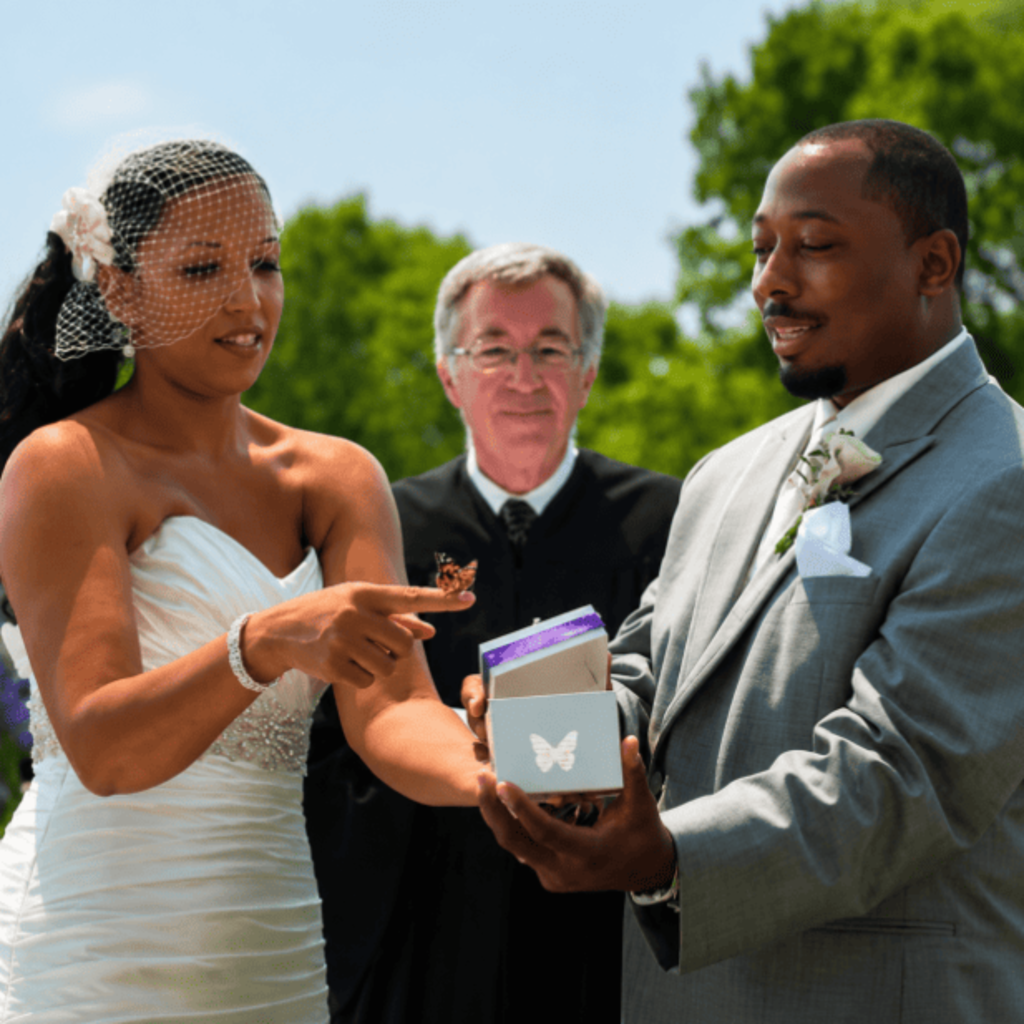
A wedding is filled with symbolic moments, from exchanging rings and vows to sharing readings, music, and meaningful traditions with loved ones. Some couples choose to add a live butterfly release as part of their ceremony or reception because butterflies can represent transformation, new beginnings, and the transition into a new stage of life.
Choosing butterflies to release at wedding celebrations requires more planning than selecting a conventional decoration. Live butterflies have specific environmental needs, and their transportation and release can be subject to federal regulations. The species, weather, timing, venue, and method of release should all be considered before incorporating butterflies into a wedding ceremony.
Why Do Couples Release Butterflies at Weddings?
Butterflies have a natural association with transformation. Their life cycle, particularly the transition from caterpillar to adult butterfly, can serve as a metaphor for change and personal growth.
For a wedding, this symbolism can represent:
- Beginning a new chapter together
- Personal transformation
- Growth within a relationship
- Hope for the future
- Freedom and new beginnings
- Celebrating a shared milestone
The meaning ultimately depends on the couple. A butterfly release does not have to represent one specific idea; it can simply provide a memorable moment for guests to experience together.
What Butterflies Are Commonly Used for Weddings?
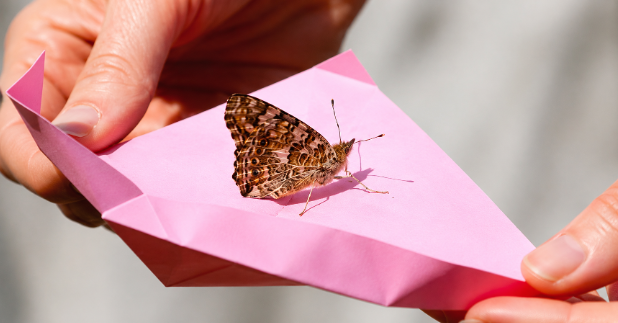
Painted Lady butterflies are commonly used for ceremonial releases because they are widely raised for this purpose and can be suitable for appropriate release conditions.
However, species selection should never be based solely on popularity. Different butterfly species have different geographic ranges and environmental requirements.
The U.S. Department of Agriculture’s Animal and Plant Health Inspection Service (USDA APHIS) states that it will consider permits for specific butterfly species for environmental release depending on where the butterflies originate and where they are being sent. Its current list includes species such as Painted Lady, Red Admiral, Painted Lady’s close relatives, and several swallowtail species.
This means the best species for a wedding depends partly on the location of the ceremony.
How Many Butterflies Should You Release?
There is no universal number that works for every wedding.
The appropriate quantity depends on the number of participants, venue size, release format, budget, and desired visual effect.
An individual release might provide one butterfly for selected guests, members of the wedding party, or immediate family. A group release can involve multiple butterflies emerging from a larger release container at approximately the same time.
For smaller weddings, a limited number may create an intimate experience. Larger celebrations may require more butterflies if the release is intended to be visible to guests throughout a larger outdoor space.
Rather than choosing a number simply because it is commonly used, consider how the butterflies will be distributed and how much space is available for them to fly.
What Are the Main Wedding Release Formats?
There are several ways to incorporate butterflies into a wedding.
Individual Releases
Individual butterflies can be provided in suitable release containers or envelopes to selected participants. This format gives each person a direct role in the ceremony.
The couple might release their butterflies together, while family members or members of the wedding party participate separately.
Group Releases
A group release involves several butterflies being released from a larger container at one point in the ceremony.
This can create a more visible moment and may work well when many guests are watching from a designated outdoor area.
Combined Releases
A wedding can also combine the two formats. For example, the couple may participate in a group release while selected family members have individual butterflies.
The best format depends on the ceremony structure and the number of people participating.
What Weather Is Suitable for a Butterfly Release?
Weather is one of the most important considerations when planning a live butterfly release.
Butterflies rely on environmental warmth for normal activity and flight. Cold temperatures, rain, and strong winds can make flying difficult and may create unsuitable conditions for a release.
Release guidance from butterfly specialists commonly recommends daylight conditions and avoiding rain and extreme wind.
Because weather can change unexpectedly, couples should establish a backup plan before the wedding day. If conditions are unsuitable, postponing the release may be more appropriate than releasing the butterflies in conditions that could compromise their welfare.
Why Is the Release Location Important?
The location should provide adequate space for butterflies to take flight and should be appropriate for the species being released.
An outdoor garden, landscaped venue, or other suitable setting may provide a better environment than an enclosed indoor space. The release area should also be free from immediate hazards such as heavy foot traffic or obstacles that could interfere with flight.
Before making arrangements, check whether the wedding venue permits live-animal releases. Some venues may have restrictions involving animals, outdoor activities, environmental concerns, or cleanup.
The ceremony should also be planned around the butterflies rather than forcing the insects into an unsuitable setting for the sake of photography or timing.
How Should Butterflies Be Handled Before the Ceremony?
Live butterflies need careful handling between arrival and release.
They should remain in their designated containers and be kept according to the supplier’s instructions. Excessive handling can potentially damage delicate wings or otherwise stress the insects.
Release instructions commonly involve keeping butterflies in a cool, dark environment before the event and allowing them to gradually warm before release.
Specific instructions can vary by supplier and species, so the supplier’s current care guidance should take priority.
When Should You Plan the Release?
The release can be scheduled at several points during a wedding.
Some couples choose to release butterflies immediately after their vows. Others incorporate the release after a reading, during a transition between the ceremony and reception, or after photographs.
The timing should allow enough daylight and appropriate environmental conditions.
It is also helpful to designate one person to coordinate the butterflies. That individual can distribute containers, explain the procedure to participants, and ensure that everyone waits for the appropriate release signal.
What Does Releasing a Butterfly Involve?
Releasing a butterfly should be a calm and controlled process.
Participants should wait for the designated moment before opening their containers. The butterflies should be allowed to emerge naturally rather than being forced out.
Guests should avoid touching the wings. If a butterfly does not immediately fly away, participants should remain patient rather than shaking or manipulating the container.
This is especially important because live butterflies do not behave according to a perfectly predictable schedule. Some may take longer to become active than others.
Are Butterfly Releases Legal Everywhere?
No. Regulations can vary according to the species and destination.
USDA APHIS states that permits are required for the importation and interstate movement of live butterflies and moths under federal regulations. It also maintains species-specific requirements for butterflies intended for environmental release.
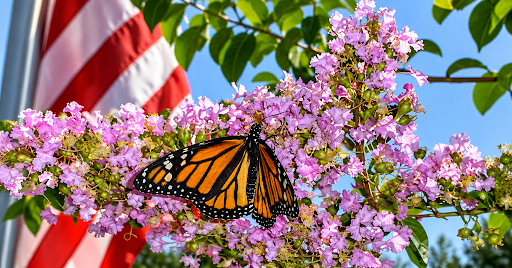
Monarch butterflies have an additional restriction: USDA APHIS does not issue permits for interstate movement of monarchs across the continental divide for environmental release.
Therefore, couples should not assume that a butterfly legally available in one state can automatically be transported and released in another.
What Should You Ask a Butterfly Supplier?
Before arranging a wedding release, ask the supplier several practical questions.
Important questions include:
- What species are available?
- Where are the butterflies raised?
- Is the species appropriate for the wedding location?
- Are the necessary permits in place?
- How are butterflies transported?
- When will they arrive?
- How should they be stored?
- What weather conditions are required?
- What happens if the ceremony is canceled?
- What should happen if weather prevents the release?
USDA APHIS explains that permits can apply to interstate movement and that suppliers may need authorization for the states to which they send butterflies intended for environmental release.
Getting these details in advance can prevent problems immediately before the ceremony.
What If the Weather Changes on the Wedding Day?
A backup plan is essential when working with live animals.
If rain, strong winds, or unsuitable temperatures develop, the release may need to be delayed or canceled. The couple can still incorporate another symbolic element into the ceremony, such as flowers, a reading, candles, or a moment of reflection.
The butterflies’ welfare should take priority over maintaining a predetermined ceremony schedule.
If postponement is possible, coordinate with the supplier ahead of time so everyone understands the procedure for weather-related changes.
How Can Photography Be Planned Around the Release?
Butterfly releases can create visually interesting wedding photographs, but photography should not interfere with the animals.
Photographers should avoid chasing butterflies, touching them, or using equipment in a way that could disturb the release.
It is often better to capture the moment from a designated position while allowing the butterflies to move naturally. The couple can also photograph the release containers, ceremony participants, and the butterflies taking flight without attempting to control where they go.
Conclusion
Choosing butterflies to release at wedding ceremonies involves more than selecting a beautiful species. Couples should consider the release location, weather, timing, handling procedures, venue rules, transportation requirements, and applicable regulations before making arrangements. When releasing a butterfly, participants should follow the supplier’s care instructions, avoid unnecessary handling, and allow the insects to emerge naturally under suitable outdoor conditions. With thoughtful preparation and a clear backup plan for unfavorable weather, a butterfly release can become a memorable part of a wedding without compromising responsible handling.



Most Commented Posts