Creating a private outdoor area does not always require a solid fence or wall. Plants can form a living screen that adds greenery, softens property boundaries, and improves the overall appearance of a landscape. However, choosing the right plants requires more than selecting the fastest-growing option. Light, mature size, watering needs, pruning requirements, and local growing conditions all influence whether a hedge will perform well over time. For homeowners planning a natural screen, privacy hedge plants can offer a practical way to balance seclusion with garden aesthetics.
Consider the Purpose of the Hedge
Start by deciding what you want the hedge to accomplish. A boundary hedge may mark a property line, while a screening hedge may block views from neighboring homes or roads. Some hedges are also useful for dividing sections of a garden.
The purpose affects the plant’s ideal height, width, density, and growth habit. A narrow upright plant may work well where space is limited, while a wider shrub may provide better coverage where it can spread.
Evaluate Sunlight and Soil Conditions
Before choosing privacy hedge plants, examine the planting area throughout the day. Some species perform best in full sun, while others can tolerate partial shade. Soil drainage is equally important because roots generally need access to moisture without remaining saturated for long periods.
Testing the soil and observing drainage after rainfall can help identify problems before planting. If drainage is poor, improving the planting area may be more useful than choosing a plant that merely tolerates difficult conditions.
Think About Mature Size
A common mistake is choosing plants based only on their current size. Privacy hedge plants can vary considerably in mature height, from compact options suitable for low borders to larger selections capable of forming substantial privacy screens.
Check the expected mature height and width before deciding how many plants you need. Adequate spacing allows each plant to develop properly while eventually creating a continuous screen. Planting too close together can increase competition for water, nutrients, light, and air circulation.
Plan for Growth and Maintenance
Fast growth can help a hedge establish coverage sooner, but it may also mean more frequent trimming. Regular pruning can encourage branching and maintain the desired shape, especially when plants are being trained into formal hedges.
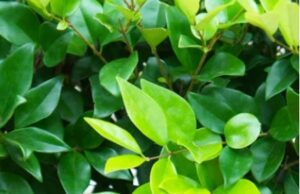
Evergreen privacy hedge plants can be particularly useful when year-round screening is important. Wax Leaf Privet, for example, has dense glossy foliage, remains evergreen in suitable climates, and responds well to regular pruning. It can grow into a substantial hedge when given appropriate conditions.
Compare Different Plant Characteristics
Not every hedge needs to look the same. Upright trees can create a tall, narrow screen, while broad-leaved shrubs can provide a softer appearance. Other options may be selected for flowers, foliage texture, seasonal interest, or a more formal architectural shape.
A good approach is to compare several plants based on mature dimensions, sunlight tolerance, water requirements, pruning needs, and climate suitability. Current privacy-hedge collections include options such as Ficus Nitida, Carolina Cherry Laurel, Japanese Boxwood, Italian Cypress, Podocarpus, and Wax Leaf Privet.
Consider Long-Term Water Needs
Water requirements should be considered beyond the establishment period. Newly planted privacy hedge plants usually need consistent irrigation while their root systems develop, but established plants may have different levels of drought tolerance. Choosing a plant suited to the site’s natural conditions can reduce unnecessary maintenance and water use.
Mulching around the root zone can also help conserve soil moisture and reduce weed competition. However, mulch should not be piled directly against plant stems or trunks.
Conclusion
Choosing a privacy hedge is ultimately about matching the plant to the purpose and conditions of the landscape. Consider the desired level of screening, available space, sunlight, soil drainage, mature dimensions, and ongoing maintenance before planting.
For gardeners considering evergreen screening, Wax Leaf Privet (Ligustrum) can be one option worth researching because of its dense foliage, evergreen character, and suitability for regular shaping in appropriate climates.
With careful planning, a living hedge can become more than a privacy barrier. It can define outdoor spaces, add visual structure, support a greener landscape, and provide a natural transition between different areas of a property.


Most Commented Posts