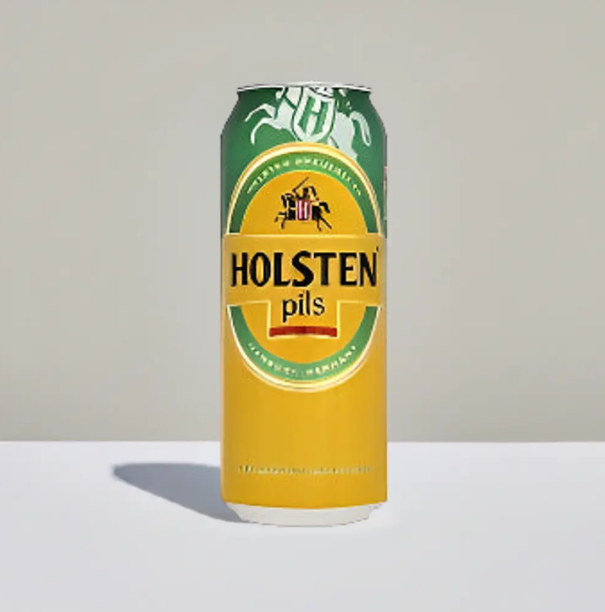
Pilsner is one of the most recognisable lager styles in the world, known for its pale colour, crisp finish and refreshing character. Holsten Pils sits within this tradition, offering the clean, straightforward profile many drinkers associate with classic European-style lager.
For anyone exploring pilsner beer, it helps to understand what gives the style its character, how it differs from other lagers, and how serving conditions can influence the experience. Looking at flavour, aroma, temperature and food pairing can make it easier to appreciate what this type of beer is designed to deliver.
What Type of Beer Is Holsten Pils?
Holsten Pils is a pilsner-style lager.
Pilsners are generally pale, bottom-fermented beers with a relatively clean fermentation profile and a noticeable hop presence compared with many standard light lagers. The style originated in Central Europe and later became one of the most influential beer categories worldwide.
Although individual pilsners vary, they often share several characteristics:
- Pale golden colour
- Moderate carbonation
- Crisp malt character
- Noticeable bitterness
- Clean finish
- Refreshing overall profile
This balance between malt and hops is one of the reasons pilsner remains such a widely consumed style.
What Does Holsten Pils Taste Like?
The appeal of Holsten Pils comes from its relatively clean and uncomplicated flavour structure.
Pilsners typically combine light grain or bread-like malt notes with a drier finish and hop bitterness. The bitterness helps prevent the beer from tasting overly sweet and contributes to the crispness associated with the style.
Depending on serving temperature and freshness, drinkers may notice subtle herbal, grassy or lightly floral hop characteristics.
The overall experience is usually intended to remain refreshing rather than heavy, making pilsner suitable for people who prefer beer with structure but without the richness of darker or higher-alcohol styles.
Why Does Pilsner Taste Different From Standard Lager?
All pilsners are lagers, but not all lagers are pilsners.
Lager is a broad category that includes many different beer styles. Pilsner is a more specific type traditionally associated with pale malt, noticeable hop bitterness and a dry, clean finish.
A typical mainstream pale lager may be relatively mild in bitterness, while Holsten Pils reflects the sharper, more defined character associated with pilsner.
The distinction can be subtle for casual drinkers, but side-by-side tasting often makes it easier to notice differences in bitterness, malt flavour and finish.
What Is the Best Temperature for Serving?
Serving temperature can significantly affect how beer tastes.
If Holsten Pils is served extremely cold, some of its aroma and flavour may become muted. If it becomes too warm, the beer may feel less crisp and refreshing.
Pilsners are generally best enjoyed well chilled but not frozen.
Allowing the beer to warm slightly after pouring can reveal more malt and hop character while preserving the clean finish that defines the style.
Glassware also plays a role. A tall pilsner glass or similar narrow glass can showcase carbonation and clarity while helping maintain the beer’s head.
Should Pilsner Be Poured Into a Glass?
Drinking directly from a can or bottle is convenient, but pouring beer into a glass can change the experience.
When Holsten Pils is poured properly, carbonation releases aroma compounds that would otherwise remain more contained. A glass also allows the drinker to observe colour, clarity and foam formation.
A moderate head can help carry aromas while also contributing to the texture of the first few sips.
Pouring slowly down the side of the glass before gradually straightening it can help control foam without eliminating it completely.
What Foods Pair Well With Pilsner?
Pilsner is highly versatile with food because its crispness and bitterness can balance rich, salty or fried dishes.
Holsten Pils can work particularly well with foods such as:
- Grilled chicken
- Burgers
- Sausages
- Fish and chips
- Pizza
- Mild cheeses
- Salty snacks
- Fried seafood
The carbonation helps refresh the palate between bites, while the hop bitterness can cut through fat and richness.
Lighter dishes can also pair successfully, particularly when they include grilled or savoury flavours.
Why Carbonation Matters
Carbonation contributes significantly to pilsner’s refreshing character.
The bubbles create a lively mouthfeel and can make the beer feel lighter on the palate. They also help lift aromas from the surface of the glass.
In Holsten Pils, carbonation works alongside bitterness and a relatively dry finish to create the crisp drinking experience expected from the style.
Allowing beer to go flat can change the balance noticeably. It may seem sweeter, heavier or less refreshing once carbonation decreases.
This is one reason freshly opened beer is generally best consumed within a reasonable period.
How Should It Be Stored?
Beer quality can be affected by heat, light and time.
Holsten Pils should generally be stored in a cool, stable environment away from strong sunlight and significant temperature fluctuations.
Heat can accelerate flavour changes, while prolonged light exposure can negatively affect some beers depending on packaging.
For packaged lager, freshness is usually an important part of the intended character. Pilsners are generally appreciated for clean, bright flavours rather than the ageing characteristics associated with certain strong ales or specialty beers.
Checking packaging dates where available can help consumers assess freshness.
Does the Can or Bottle Affect Taste?
Packaging can influence storage and serving convenience, but good handling often matters more than the format itself.
Cans provide complete protection from light, while coloured glass bottles provide varying degrees of light protection. Both formats can preserve beer effectively when stored under suitable conditions.
Once Holsten Pils is poured into a clean glass, differences related purely to packaging can become less noticeable than differences caused by temperature, freshness or storage.
The most important factors are keeping the beer cool, avoiding prolonged heat exposure and serving it fresh.
What Makes a Pilsner Refreshing?
Several characteristics work together.
A relatively light body prevents the beer from feeling heavy. Carbonation adds liveliness, while bitterness balances malt sweetness. A clean fermentation profile keeps fruitiness and other flavours comparatively restrained.
These elements help Holsten Pils deliver the dry, crisp impression associated with pilsner-style beer.
This balance is also why pilsner works well in casual social settings and alongside food. It can provide flavour without overwhelming many dishes.
How Is Pilsner Different From Pale Ale?
Pilsner and pale ale can sometimes appear similar in colour, but their fermentation and flavour profiles are different.
Pilsner is a lager style produced through bottom fermentation and cool conditioning. Pale ale is an ale and is generally fermented at warmer temperatures.
Pale ales may show more obvious fruit-like fermentation characteristics and stronger hop aromas, depending on the style. Holsten Pils, by comparison, is expected to offer a cleaner fermentation character with a more restrained aroma profile.
Drinkers who enjoy crispness over pronounced fruitiness may therefore gravitate toward pilsner.
What Should You Look for When Tasting?
Tasting beer does not require specialist knowledge.
Start by looking at the colour and foam. Then smell the beer before taking a sip.
With Holsten Pils, consider:
- How noticeable the malt is
- How strong the bitterness feels
- Whether the finish is dry or slightly sweet
- How lively the carbonation seems
- How clean the aftertaste remains
There is no need to identify highly specific tasting notes.
Simply comparing sweetness, bitterness, body and finish can make it easier to understand the style.
Conclusion
Holsten Pils reflects many of the characteristics that make pilsner such an enduring beer style: pale colour, crisp carbonation, balanced bitterness and a clean finish. Serving it at an appropriate temperature and pairing it with food can help bring out these qualities more clearly. When browsing packaged beer through retailers such as RV Drinks, consumers can also benefit from checking format, quantity and storage conditions alongside the beer style itself. Understanding the fundamentals of pilsner makes it easier to appreciate why this type of lager remains so widely enjoyed. Its combination of refreshment, versatility and balanced flavour gives it a distinctive place among classic beer styles.






Most Commented Posts